
Access Sacramento Opens Doors for Local Voices
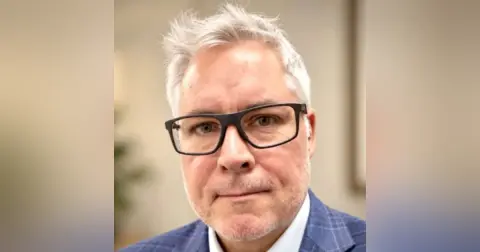
I would love to hear your thoughts on this episode. Please send me a text... Having a story to tell is one thing. Having the skills, equipment, and support to share it is another. I’m joined by Joe Barr, Executive Director of Access Sacramento, to explore how this nonprofit helps people turn their ideas into community programming, films, podcasts, and new possibilities. Many people know Access Sacramento through public access television. What they may not know is how much happens behind the s...


I would love to hear your thoughts on this episode. Please send me a text...
Having a story to tell is one thing. Having the skills, equipment, and support to share it is another. I’m joined by Joe Barr, Executive Director of Access Sacramento, to explore how this nonprofit helps people turn their ideas into community programming, films, podcasts, and new possibilities.
Many people know Access Sacramento through public access television. What they may not know is how much happens behind the scenes: affordable classes, hands-on production experience, support for emerging filmmakers, and opportunities for voices that might otherwise go unheard.
Joe shares an example involving an Afghan journalist developing an information platform for Sacramento’s Afghan community. We also discuss the "A Place Called Sacramento" Film Festival and how helping nonprofits produce content can give aspiring media professionals valuable experience.
But this organization is facing a significant transition. As cable subscriptions decline, so does a funding source that historically supplied approximately 80% of its revenue. Joe explains the direction he’s pursuing through nonprofit services, education, grants, and stronger community relationships.
As two people with broadcast backgrounds, we also get into something that means a great deal to me: the opportunities that emerge when collaboration becomes central to how we work.
Learn about classes, membership, and ways to support Access Sacramento:
https://www.accesssacramento.org/
Chapters:
00:00 Meet Joe Barr & the Origins of Access Sacramento
03:00 Helping Local Creators Produce Their Own Shows
05:00 Serving Sacramento’s Afghan Community
08:00 Building Nonprofit & Community Partnerships
13:00 A New Funding Strategy for Community Media
17:00 A Place Called Sacramento Film Festival
22:00 Replacing Cable Funding & Building the Future
24:00 Why Collaboration Matters in Local Media
29:00 Beyond the Mission: Getting to Know Joe Barr
35:00 Classes, Membership & How to Get Involved
Thank you so much for listening to this nonprofit story! We appreciate you. Please visit the website to sign up for our email updates and newsletter. https://www.nonprofpod.com/ And if you like, leave me a voicemail to comment on the program, leave a question for us to ask in the future or a message for me, Jeff Holden. I may even use your voice mail message in a future episode of one of our incredible local nonprofit organizations. https://www.nonprofpod.com/voicemail. Thanks again for your support in listening, commenting and sharing the great work our local nonprofits are accomplishing.
Joe Barr: [00:00:00] And so I truly believe the future for Access is to be supporting everyone that we're working with, lifting the tides, you know, lifting all boats, and that's gonna be our approach. We're gonna be a positive force, not only in that, but as, as a convener for conversations in the creative space and for filmmaking and broadcast and podcasting and all of that.
There's a need for that in the region for somebody to bring people together.
Jeff Holden: Welcome to the Nonprofit Podcast Network. Our purpose and passion are simple: to highlight the incredible nonprofits that make our communities stronger. Each episode is a chance for these organizations to tell their story in their words, sharing not just what they do, but why it matters to the people they serve, to their supporters, and to all of us who believe in the [00:01:00] power of community.
Through podcasting, we hope to amplify their voices, inspire connection, and give them one more tool to impact the hearts of donors, partners, and neighbors alike. This work is made possible through the generous support of our incredible partners. CapTrust, offering fiduciary advice for endowments and foundations.
Western Health Advantage, a local not-for-profit health plan that believes healthcare is more than coverage. It's about caring. Core, executive leadership and comprehensive support services. They work in it so you can work on it. And Five Star Bank, a local trusted advisor to community nonprofits for over 25 years.
What happens when someone has a story to tell, an idea for a show or a community that needs information, but they don't have the equipment or experience to make it happen? For nearly four decades, Access Sacramento has been a [00:02:00] place where they can get started. I'm joined by Joe Barr, executive director of Access Sacramento.
You may know the organization through public access television, but its work reaches well beyond the screen. It helps people learn filmmaking, produce podcasts, develop technical skills, and bring local stories to life. Now, as viewers move from cable to streaming, the funding that sustained that work is shrinking.
We'll share why and what's happened and how Jill is helping chart a new direction through education, nonprofit partnerships, community programming, all while preserving the opportunity for people to create and be heard. We'll talk about emerging filmmakers, an information platform serving Sacramento's Afghan community, and how helping nonprofits tell their stories can also give aspiring media professionals valuable experience.
It's a conversation about creativity, collaboration, and the possibilities that open up [00:03:00] when people have access. Joe Barr, welcome to the Nonprofit Podcast Network.
Joe Barr: Thank you for having me. Great to be here.
Jeff Holden: Access Sacramento, it's certainly no stranger to the community. It's been around for quite some time, and in some cases, people have been born are in our community as professionals today, and Access Sacramento precedes.
They don't know it exists- Yeah ... because it came as a result of cable.
Joe Barr: Yeah.
Jeff Holden: Tell us a little bit about how it came to be and really what its orientation was in the community.
Joe Barr: Yeah. Well, it's, it... I won't say it's a truly interesting story, but there are some things there that, you know, part of the conversation really is about change in technology and how that's affecting all of us, and it's affecting Access Sacramento.
And it, it, Access essentially started out as public access television, which many of us remember from the '80s, and of course, most notably Wayne's World on Saturday Night [00:04:00] Live, which was a parody of public access television and the kinds of programs that many stations created. So it began in that era in the '80s where cable was bringing in a lot of money.
The cable companies were doing really well, so municipalities around the country and in Sacramento decided that the cable company should pay up a little bit for using their right of ways to, or rights of way to get their signal out to all of the households. And so basically, there's a tax that was put on your cable television subscription, and a small part of that went to community television, and the idea was that cable companies should help pay to support communities and programming and, and have local shows.
So that's where it all began. Great model, a lot of money. Everybody had cable TV. But what we're seeing, of course, more recently over the last decade, and especially in the last five years, is the rise of streaming. And so people [00:05:00] are switching to streaming platforms and cutting the cable television subscriptions.
So there, our revenue, um, the 80% of Access Sacramento's revenue came from money from the cable subscriptions. So we're grappling with that. It's a steady and relatively swift decline is what we're seeing. So the business model is changing, but nobody really knows exactly, uh, for community media and for Access, where, where do we go to find these similar sources of revenue?
It was a good ride when you could get, uh, 80% of your funding from one source and it was consistent. Mm-hmm. But that ride is over, and so that's, you know, that's what I'm working on, is just creating a new vision for the future that builds on what we've done in terms of community service, but a new business model.
Jeff Holden: And what this would have been, this, this Access Sacramento, was a voice for the local community to bring their [00:06:00] content to those who chose to view it-
Joe Barr: Yeah ...
Jeff Holden: in that way, right?
Joe Barr: Yeah. That's,
Jeff Holden: that's the beauty of it. Mm-hmm. So y- so you had a studio and you had, you know, producers and cameras and everything just like a television station would have or anybody independent production company, correct?
Joe Barr: Yeah. Yeah, and, you know, back in the day, Access Sacramento in the '80s and into the '90s when the revenue was coming in really had extraordinary resources, had a lot of connection in the community, a lot of partnerships, programs that were produced by the community. And what's great about it, and we still do this today, somebody has an idea for a show, they wanna be on TV, they wanna be on YouTube, they can come in and we will train them in producing it, all the, the cameras, everything in the studio.
We'll teach them how to do it, their crew, how to host a show, so they can produce it themselves completely with their, with their own folks doing it, whoever they have supporting them. Or [00:07:00] we'll crew the show for them if somebody wants to come in and do something and, and so there, there's an array of, of approaches.
And the, but the bottom line is these are people and shows that likely wouldn't be produced anywhere else. They're very authentic to the community. Sometimes they're kind of niche, but there's an audience for them. So that's what we're here for.
Jeff Holden: If I'm looking to do something, I have this idea, whether it be a podcast or a, a, an actual production, a, a short film, whatever it may be you would be a place I could go to and get consideration at least, and/or completely produce it, and/or have you train me on how I can do it, right?
Mm-hmm. Yeah. So walk us through some of the things that you provide.
Joe Barr: Well, let me, let me give you an example. This is something I'm really excited about and, and proud of as an example of that. So we are producing a show, and it's still being developed, but we're producing it as we go along. And it's for Sacramento's [00:08:00] Afghan community.
So there's a large Afghan population here. Many of them came over when the US exited Afghanistan. And there's a gentleman who's a, a journalist in Afghanistan. He worked for their cable news network. He... Kind of like the Jake Tapper of Afghanistan. He was interviewing Hamid Karzai and high-level officials there.
He had to come to the United States. He arrived here, and one of the first things he wanted to do when he came to Sacramento was to create a news service for this population that he saw as being kind of siloed off without the information that they need. And so he shopped around to a lot of places in, around the region to see if anybody would help him do this, and nobody would.
And then he came to Access Sacramento, and we said, "Yes, let's talk." So we are working with him on developing... It's not just a show, it's a whole content platform, information platform for the Afghan community. And part of [00:09:00] what I can do is bring in, you know, my resources from my background in journalism. So we are working with New York Times Philanthropy, with a woman that I met from, originally she was at CalMatters and now she's at The New York Times.
And so we're bringing in support for his show and working on building a business model for him. So that's a really good example of somebody who came in. There's nowhere else in the community that I know of where somebody would pick this up and say, "Yeah, let's give this a try. Let's see what we can do."
And, and to be able to support that community as well. So that's the other part is he had a great vision, and there's a real need for this show and for information to get to the Afghan community. So he came in and, you know, and we're working with him. And so I think that's an example of our desire to, you know, not everything succeeds, but we're at least gonna try for these shows that are relevant to the community and are part, that's part of our mission.
Jeff Holden: You know, it's, it's interesting you [00:10:00] say that. There were a couple of gentlemen, and I have a suspicion one of them might be The gentleman you're speaking about at Philanthropy Summit.
Joe Barr: Yes. Yes.
Jeff Holden: And they came up to me- Mm-hmm ... and they were saying, "We have an Afghani network-
Joe Barr: Yeah ...
Jeff Holden: that we are producing content for, and we do a podcast.
We're working on a video," and it's actually gotten traction beyond Sacramento.
Joe Barr: Yeah.
Jeff Holden: They've got the Afghani community nationwide tuning in- Yeah ... and a lot of views on their YouTube channel, and he was just explaining this to me. I thought, "Wow, how interesting." They satisfied a niche where the demand is there, and obviously we have a large, large Afghan community.
Yeah. So good for them.
Joe Barr: Yeah, and so that's, that's an example of where, and ex- the person you're talking about, that's exactly right, and, and part of it is also, and this is another aspect of what we're trying to do with Access Sacramento, is to really bring people together. So there are a couple of people who are working in this space trying to serve the Afghan community, but they aren't really working with each other.
So the idea is how do we bring [00:11:00] them together? How do we bring other people into this to, to make it more sustainable and to help it grow its audience? Although they're already off to a pretty good start.
Jeff Holden: Yeah.
Joe Barr: Yeah.
Jeff Holden: That, that leads us right into a next question, that's collaboration. You, you just mentioned right there, there's a collaborative effort from other people in the community that might wanna engage with the Afghan community.
You have to be involved with a lot of different organizations just to sustain.
Joe Barr: Mm-hmm.
Jeff Holden: Tell me a little bit about how you work with other nonprofits and with the community at large.
Joe Barr: And, and this is a, just as a caveat, I've been executive director for about seven months.
Jeff Holden: Mm-hmm.
Joe Barr: So relatively new, and I'm gonna hold onto that as long as I can- Right
'cause that, you know, leaves me leeway- The, the naivete of- ... that I don't know what you're talking about. Um- Naivete
Jeff Holden: of naivete.
Joe Barr: Yeah, exactly. So interestingly, w- you know, with what we were talking about earlier and Access Sacramento's funding model, which was, it was, it was always there, 80% of the budget came in.
And I think for, and this isn't just [00:12:00] Access Sacramento, there are community media stations all around the country. They didn't have to reach out to the community in, in the ways that other nonprofits do and, and have had to do because the funding was there. But the current situation has, and this is what I'm tackling, has forced us to do that.
We need to be part of the community, and we're a nonprofit, so we should be a big part of the nonprofit community, first off. And then the other part of it is we are here to support people in the community in making media, in learning skills, in finding empowerment in, in what they do, in developing their creativity.
But there's also a place for us to be working with nonprofits to support them. We're a nonprofit. We have resources that we can bring to the nonprofit community to help them tell their stories. So that's where when we talk about partnerships, it, it really does come down to the first thing that, that I'm working on now really is building those kinds of [00:13:00] relationships in the nonprofit community.
And then other relationships are also important, building Access Sacramento's relationship to other media outlets in the community. We-- The organization had some of those in the past, and then they kinda went away. It's-- I was telling some people the other day, as I've been at Access, I've learned, it was almost like there was this prehistory for Access.
It's al- you know, when we talk about was there a civilization before human beings ex-existed, right? There was some, uh, there was an Access Sacramento civilization that I keep learning about that was quite extraordinary.
Jeff Holden: The prehistoric one.
Joe Barr: Prehistoric one, yes. Very technologically advanced, but, you know, you wouldn't know that now.
So you hear these stories. So they were doing some really great things back in the day that we've talked about more recently in terms of community relationships and, and partnerships that we wanna build on, that they did, they did some of those things. So but we need to do a lot more. [00:14:00] That's the thing, is that we really have to be ingrained in the community in a way that we weren't before.
Jeff Holden: Well, I think what you're explaining, we both come from a broadcast background, and you're limited in the broadcast space. You can't really get that creative and go that far out, and today even really more challenging just because of streaming and, and digital technology and, and podcasting and, you know, all the other elements that have changed what that used to look like.
Whereas I think the opportunity may be there to rekindle that, that structure that was a, a little bit more progressive. Yeah. It was a little bit more risky. It did things differently that others couldn't do and are still trying to figure out, but Access Sacramento may still have that there because there's people that want to do those things.
They don't have an outlet. They don't know where to go to get it.
Joe Barr: And- That's, and that's exactly right. And the other thing I'm learning as I've been with Access is there are so many people in the community who came [00:15:00] through the organization in the last 40 years, and it, it happens all the time. We haven't really harnessed that part of it either, is there, there has been a huge impact over the years, and I would say it's at least twice a week where I run into somebody who's like, "Oh, yeah, I've, I was at Access.
I learned how to do such and such years ago." And so it gave them a start in their career. It was something enjoyable they did. They made a movie. They did something with us, and it might be an elected official. It could be somebody, somebody that you know and, or that I've known for many years, and it's like, "Oh, I didn't know that about you."
But we... I don't think we're fully aware of the collective impact of Access, so we need to keep building on that.
Jeff Holden: And you are no stranger to politics, where you've done forums. You... And that's what I really recall is the recognition of, you know, an Access Sacramento-type organization that You can do the political forums and the debates differently-
Joe Barr: [00:16:00] Mm-hmm
Jeff Holden: than broadcast can because you have different access.
Joe Barr: Yeah.
Jeff Holden: And I would imagine you probably still are doing some of that throughout the course as we get closer to an election and, and maybe there are some things coming up as we're, as we're recording this, the election for California primaries is November 3rd, so we're doing this in October.
Mm-hmm. It's not that far away.
Joe Barr: Right. That's a really important point, and it's also as we think about the future of access and what our, our strategy is, and there really it comes down to three prongs that we're looking at. One is this nonprofit support model, and that's where we have revenue, but we're also supporting the nonprofit community in our way as a nonprofit.
And the value proposition with that is that the members who come to us who are learning skills can work on these projects that we're doing for the nonprofit. So if you're an organization and, and you want video produced for social media, content for social media, [00:17:00] a commercial vendor could do that. We could do it, but we're gonna do it probably for a little cheaper, but I can't quote any prices now.
Right. But you're gonna be-- the added value is that you will be helping somebody learn some skills, and that's gonna benefit the creative economy and, and you're gonna change somebody's life, which it, it quite often that's actually what happens, is it can change the course of somebody's life to learn these things.
Jeff Holden: Tell me a little bit about the funding itself. So we, we've seen a drastic cut to the cable monies, obviously 'cause cable's been cut drastically. So if it's a percentage, the percentage is gonna dip as precipitously as, as cable. Yeah. And we know it's been really challenging with all the other services- Yeah
that have come out. So we, we know that that budget's been whacked. What does it look like today as you look forward to say, "Okay, here's what we need to do"?
Joe Barr: Yeah. And so that comes down to the, this three-pronged strategy of nonprofit support, which is gonna bring revenue [00:18:00] in. The heart of what we do is classes, workshops, teaching.
Western Health Advantage: Mm-hmm.
Joe Barr: Building that out, and, and that really... And there's a significant space for us to grow in that area and bring in more revenue in terms of how we do it. So working with nonprofits or even for-profit companies, we can do sessions for them, teaching them how to create content on their iPhones, like a one-and-done afternoon session, learn how to do this, and all the things that people don't necessarily think about creating content, like good lighting.
If you're doing something on your iPhone, people don't think about that, and it can make a huge difference- Mm-hmm ... in the professional look of something. So creating new tiers of revenue through our workshops. At the same time, balancing that out with keeping things really affordable for members of the community who come in, they wanna learn, and they don't have a lot of resources, and this is their opportunity.
So we wanna find that balance. And then the third part is grant funding and, and obtaining More significant types [00:19:00] of grants to ensure our community coverage continues. So the show that I mentioned for the Afghan community, we've got a couple others that are in the pipeline, and then ones that are produced by people in the community that are reflecting all kinds of different topics and, and individuals.
We wanna keep all those going because that's the authentic local thing that we have. It's, they're not AI shows. They're produced by humans in the community. They're addressing topics and needs, and so we've gotta keep our eye on that. So as we look to the future, that, that's really what we're hoping to do is maintain the core of what Access does, but build on it and figure out a way to create more revenue based on all of that, and based on the need in the community for these things.
Jeff Holden: And you have a, a flagship event that comes up every October- Yeah ... if I'm not mistaken, a place called Sacramento Film Festival, right? Yeah. Tell us a little bit about... And I would [00:20:00] imagine that's a fundraiser to some degree too, yes?
Joe Barr: It is. It's probably, it is our most high-profile event. Access Sacramento has a film incubator program and a film festival, and this is another thing where when people tell me, "Well, boy, Access is a hidden gem in the community," I just wanna say, "Well, it shouldn't be hidden.
It is a gem," and this is- We,
Jeff Holden: we laugh too when somebody sits in this chair and says, "We're the best-kept secret." It's like, "No, you can't be. We don't want you to be the best-kept secret." Yeah. "We need to share your story and have it heard and seen."
Joe Barr: That's exactly it. That's w- that's one reason why I'm here.
Yes. Uh, of course. So Access has been doing this for 26 years. Emerging filmmakers, people who are just getting into the business in Sacramento, and there is a really fascinating and vibrant film scene in Sacramento that a lot of people probably don't know about. So we offer courses, classes, and a program where they can learn filmmaking top to bottom, how to do makeup, lighting, directing, scriptwriting.
And then we have a scriptwriting contest, [00:21:00] and we select 10 scripts. And those 10 are-- we then help the filmmaker produce them, and we have a big event called a cast and crew call. It's a community event, and everybody in the film, film industry in the area comes, and we-- the filmmakers are able to stand up, talk about what their film is, get everybody excited, and then they get their crews behind the cameras, in front of the cameras, and they are pretty much, they pretty much get everything they need in terms of the, the people on the films.
And then they go ahead and produce them. We support them in other ways along the way, and then the big October premiere at the Crest Theatre with-- usually sold out with nine hundred people or so. And that's one of the things that I first experienced about Access was going to the, a place called Sacramento Film Festival, and I had-- really didn't have an idea what it was, and I came away, I was just awed because the, the creativity, like there are people in this community who have extraordinary creativity in these ten-minute [00:22:00] films that shows what else they could do, and they would not have been able to go down a path that they did if it wasn't for Going through this program and they've...
We have so many stories of people who came to us not knowing anything about filmmaking, and then a year later they win the film festival, and then they're entering their film in other festivals, and it's opened up all these doors for them that they didn't have before.
Jeff Holden: Yeah, I can only imagine for somebody who's in that space, that's their creative outlet.
They go through the program, maybe it's a training program, it's a production program that you've got. The next step is they're, they're creating some content on their own. The next step is they're trying to participate in the film festival. Mm-hmm. They, they get some traction, and it just continues to roll, and they do what they need to do to get into the next film festival- Yeah
the next bigger film festival. And, a- and I'm sure there are people that have gone through this program who have had a bit of traction, [00:23:00] even on a commercial success, that came through Access Sacramento. Yeah.
Joe Barr: We... So we have people who've gone through our various trainings, filmmaking. We have people who are working in the industry in LA and here locally and elsewhere, or they've taken those skills into some other job somewhere.
We know that happens. That's happened a lot, and especially in 26 years, many people. We have a lot of folks who went through our video training programs, our studio training, that are working at local TV stations and stations around the country. And we have a lot of people who have learned how to make podcasts and do radio, which, you know, I, I don't really know what- What?
Do what? What is that? Yeah, radio, if you've ever heard of that thing. So they've taken those skills out. The common denominator in a lot of these things is it's communication skills, and that's what's really interesting, uh, because people will gain a, an ability to perhaps present themselves in a better way.
They've figured out what they wanna [00:24:00] do. They've learned skills. They make connections. So it's this whole kind of uplifting thing for people. They come through. Also, it's fun. Like- Mm-hmm ... they enjoy themselves. It's creative, and that's really the, the core of everything.
Jeff Holden: We'll be right back to continue the conversation with Joe Barr right after we hear from the people who make this program possible.
James Beckwith: I'm James Beckwith, president and CEO of Five Star Bank. We're dedicated to supporting nonprofit organizations who advocate for the strength, resilience, and vitality of those they serve. When nonprofit organizations thrive, our community does, too. By supporting the Nonprofit Podcast Network, Five Star Bank is amplifying the voices and meaningful impact of our nonprofit community.
We're Five Star Bank, a trusted nonprofit partner. How can we help you?
Darrell Teat: Hi, I'm Derrell Teat, CEO of Core. Every organization needs strong support behind the scenes, [00:25:00] but building out finance, HR, technology, and administrative functions internally can be expensive and time-consuming. At Core, we provide back office support that helps organizations operate more efficiently without having to build every function from scratch.
That means your leadership team can spend more time focusing on growth, mission, and the people you serve. You get to work on the business, not in the business. If your back office could use more support, let's have a conversation. Visit C-X-O-R-E.com. That's core.com.
Scott Thomas: Hello, this is Scott Thomas with CapTrust in our Sacramento office.
I specialize in working with local nonprofits and associations. Annually, we survey private and public nonprofit organizations across the country to better understand challenges they see in today's environment. In our more recent survey, we heard concerns about proper board governance, mission-aligned investment, [00:26:00] and how to implement alternate investments.
If you would like a copy of the survey or to discuss your organization, look me up, scottthomas@captrust.com.
Western Health Advantage: Healthcare can feel complicated, sometimes even a little impersonal. At Western Health Advantage, we believe it should feel different. We're local, built for Northern California, and guided by doctors.
As a nonprofit health plan, we share your commitment to giving back. We support organizations like the American Heart Association, Sacramento Ballet, and the Crocker Art Museum, helping strengthen the communities we call home. You make a difference every day. Your team deserves a health plan that understands the purpose behind your work, with flexible coverage options and local support that put members first, because healthcare isn't just about plans and paperwork, it's about people.
And when your health plan understands that, you can feel the difference. Discover Western Health Advantage. Visit [00:27:00] westernhealth.com.
Jeff Holden: And that was an adjunct to our conversation about funding to where you've got this really big presence through the film festival. Coming back to that, that funding today, what is the greatest need?
Joe Barr: I, uh,
Jeff Holden: just- One. One.
Joe Barr: Yeah. Well- ... so, I mean, the biggest need really is to, to figure out where the bulk of our funding is going to come from. We-- I'll be honest with you, we are just building the future right now. We have a sense of where we want to get to, but how we're gonna get there is not totally clear, and that's what I'm working on with our board.
We're partnering with the Sacramento Region Community Foundation to build a model for this nonprofit support. There's nothing guaranteed in any of all of this. That's the thing. To replace... And we don't need to do this right away, but over time, we will have to replace 80 per... that 80% of our funding that, that came from the cable commission and [00:28:00] cable fees will have to be replaced.
Jeff Holden: Yeah, and I don't wanna give people the impression that you've got a, a runway here. It, it could be next year.
Joe Barr: Yeah. It's,
Jeff Holden: it's going fast. You know, it could be as soon as next year that that changes dramatically.
Joe Barr: Yeah.
Jeff Holden: So yeah, there's an incentive to move quickly to figure this out.
Joe Barr: Yeah, and so that's where we are, and it's been-- The, the last year has been this process of creating, uh, new political relationships and navigating that world 'cause a big part of this has been political because you've got...
The cable commission falls under the s- county of Sacramento county supervisors, and so there's been a whole process there of kinda l- engaging that world. And as we know, that's where you can, in building those relationships, it can help lead you to other things and some more positive outcomes. So that's been a big part of it over the last year.
But a lot of unknowns as well for the future.
Jeff Holden: Well, in your seven months, you can't be expected to have all the solutions- ... to [00:29:00] this particular situation, right? I'm
Joe Barr: working on it, but- Right ... yeah, exactly right. Yeah.
Jeff Holden: But I do like the fact that you recognize the value to the nonprofit ecosystem that you provide, and, and that's unique.
And I, I'm anxious to see as, as we continue to grow to say, "Wow, can we pull some people from Access Sacramento?" You identify some of the, those really high achievers that said- Mm-hmm ... "You know, there was something special about this guy or this, this woman who they've got something. You know, they've got a-" Yeah
"skill set here," because we're gonna be looking for that.
Scott Thomas: Mm-hmm.
Jeff Holden: You know, as we see ourselves in, in more and more demand and we're looking at other markets I wanna draw from the community. Yeah. I, I really wanna draw from the community. I think there's a lot of opportunity for relationship and collaboration between what we do
Joe Barr: and- I, I totally agree.
And well, we both come from a journalism broadcast background where it was all about competition. And the thing that I've learned over the years, and this started in my time at, [00:30:00] in public media, but, you know, competition really, you can still have that at a certain level, but ultimately it doesn't do anybody good now, any good now.
Mm-hmm. And so I truly believe the future for Access is to be supporting everyone that we're working with, lifting the tide, so, you know, lifting all boats, and that's gonna be our approach. We're gonna be a positive force, and not only in that, but as, as a convener for conversations in the creative space and for filmmaking and broadcast and podcasting and all of that.
And there's a need for that in the region, for somebody to bring people together.
Jeff Holden: I'm biting my tongue 'cause I wanna jump into this conversation in a completely different way. You're the first media person I've had in the studio this way- Hmm ... who has transitioned from, you know, traditional media, even though you were at Cap Radio for some time, that it is a nonprofit, but it still plays in the traditional space of broadcast.
Yeah. And the thing I realized is when I left broadcasting [00:31:00] The distinct difference of collaboration, I always tried, you know, to, to get people to... But it was a zero-sum game. Mm. Win, lose, win, lose. You either got it or you didn't get it, and it became so frustrating 'cause we couldn't lift the tide for all boats, right?
Yeah. Because somebody's gonna say, "Well, maybe a little bit of lip service, but then as soon as I can stab you in the back, I will."
Joe Barr: Yeah. "
Jeff Holden: And I'll take it." And when I got into the nonprofit side of things, I'm like, "Wait, everybody works together."
Western Health Advantage: Mm-hmm.
Jeff Holden: This is a win-win. It's a collaborative effort- Mm-hmm
for the most part, and I love this because I don't have that threat or that anxiety or that necessity to say, "No, I, I have to beat you in order for me to survive."
Joe Barr: Yeah.
Jeff Holden: Here, I need to support you in order for me to survive, and that's the huge, huge difference that I, I love that, that I've been able to get this out 'cause I haven't been able to say this other than in other conversations privately because it ha- it doesn't present itself.
Joe Barr: Yeah.
Jeff Holden: [00:32:00] You know?
Joe Barr: It's a great thing though, isn't it? And it, it... you can feel good about it. And, you know, to your point, yeah, I was at CAP Radio for 20 years, and we were in a unique position in that we're, we-- CAP Radio is a nonprofit, and I think that probably took a little bit of pressure off in terms of collaborations with other media outlets 'cause we, over the course of my time there, we collaborated with pretty much every media outlet in town, all the TV stations at one point, Sacramento Bee.
We were the first editorial collaborator that the Sacramento Bee ever had, which I'm very proud of. So but I think just by virtue of we weren't in competition with them, I guess, in the same way that, like, another newspaper would've been. I think they looked at us differently in that sense, so that, that was a big benefit.
But the thing about collaboration is what I... and this really has come back to me at Access Sacramento. When I started at CAP Radio- People really didn't think of it as, as a news station. [00:33:00] There was news, and it was good, but we weren't positioned in that way of being a news leader. And one of the things that helped us in advancing our, uh, well, building our ratings and growing that perception was collaborations.
Mm-hmm. So you're connecting with other organizations and media and otherwise, and you're building audience that way. And, and also there's a halo effect, right? When you're a upstart newsroom working with The Sacramento Bee, there's a nice halo effect there- Mm-hmm ... um, that really benefited us. So I think there's similar opportunities for Access to really be partnering and, you know, finding ways that we're a good collaboration.
It's everybody benefits, so we're not, it's not just about taking. But there are direct benefits that I have seen if you're trying to build your organization. Collaboration, if done in the right way, can be huge.
Jeff Holden: And that collaboration can turn into revenue. It can turn into earned income. It can [00:34:00] turn- Mm-hmm
into sponsorship. It can turn into events. It can turn into so many different things for the organizations that see the value, and it fits what their mission is.
Joe Barr: Yeah.
Jeff Holden: So I'm, I'm excited about what I see for the future. I think it's there, and I know you've been working hard to connect the dots with a lot of different organizations, which is kind of how we met.
Joe Barr: Yeah,
Jeff Holden: exactly. It was- Yeah ... it, it was in that process. Let's, let's pivot a little bit. Let's get into a little bit about Joe for a second- Okay ... so people have ... Now, they got a little bit because we've shared a little bit. But, uh, a little bit on, on the, on the personal side of things. This is our Beyond the Mission segment, and we're gonna run some que- Look, I have a lot of little highlight ones for you- Okay
because I, I-
Joe Barr: All right. So this is rapid fire. This is
Jeff Holden: rapid fire.
Joe Barr: Okay.
Jeff Holden: Uh, early bird or night owl?
Joe Barr: Night owl.
Jeff Holden: Okay. Favorite color?
Joe Barr: Blue.
Jeff Holden: Okay. Podcast, music, or silence on a long drive?
Joe Barr: Oh, wow. Yes, all three. I ... There are some days when I'm going home from work or, uh, I just need silence, but all three.
Jeff Holden: How about one local place you wish more [00:35:00] people knew about?
Joe Barr: Uh, oh, my gosh. That is a really good question. Well, I could give promotion to, it's my favorite restaurant, which I, but I think a lot of people know about it, but more people should know. If, for pizza, 1 Speed on Folsom Boulevard. Totally. Uh, Rick Mahan's place, and, uh- Totally agree ... I'm always surprised when people say, "I love pizza," and I say, "Have you been to 1 Speed?"
And they haven't. So Rick, uh, hopefully the check's in the mail, but-
Jeff Holden: Yeah, right. Favorite ... I have to ask this one because of who you are. Favorite movie of all time?
Joe Barr: Oh. Oh, man. The Godfather. Okay. I have seen that one ... I watch it annually, so I don't know how many times I've seen it.
Jeff Holden: Hidden talent?
Joe Barr: I, well, I'm a hidden musician.
I, I learned to play the- Why did I think this
Jeff Holden: might be the case?
Joe Barr: Okay. Uh-
Jeff Holden: I, I don't know. I... So, so yeah, tell me.
Joe Barr: Well, so I, I picked up the piano when I was in elementary school, and so I would play our piano at home all the time, and my parents ignored [00:36:00] that. My mom said, "Hey, I have a surprise for you, a music lesson."
I'm like, "Piano?" She said, "No, trumpet," which I hated. But I ended up, I played in a band in high school, played keyboards, and then I kinda dropped it for a long time, never really went back to it. But I bought a keyboard a couple years ago, and so I'm, I'm playing it at home. It's, it's cathartic. It really is just one of the, my favorite things when you talk about, like, getting away and resetting.
That's the way I do it, so.
Jeff Holden: And- It's, it's one of my aspirations.
Joe Barr: Okay. Well, we should get together and jam sometime, right?
Jeff Holden: W- no, you, you know how to. I don't. It's, it, the piano has been one of the things I would love to learn to play, and I, I think if I ever do slow down, I will take piano lessons to fill that, that, that void or that gap because it's something that's, uh,
Joe Barr: important to me.
I, I would recommend doing it sooner, uh, 'cause when you clear your mind as you're playing, the, something with the music that just comes into your head, and then you come out of it and your brain has been reset to take on everything else.
Jeff Holden: Sure, 'cause it [00:37:00] diverts your focus. It's 100% to the keys-
Joe Barr: Yeah ...
Jeff Holden: and to the music.
Joe Barr: Yeah.
Jeff Holden: What keeps you grounded when things get a little heavy?
Joe Barr: Well, the thing I always... Well, there are two things. One is my wife helps me a lot, and the other is my, the phrase I always come back to in any difficult situation is, "What's the right thing to do?" That helps keep me grounded in terms of thinking about what, what do I need to do in this situation which may have me, m- may be multifaceted.
There may be people with different ideas. But when I come back to, "What's the right thing to do?" it always leads me in the best direction. So that helps me to focus and ground myself in difficult times.
Jeff Holden: And then last question: What are you grateful for today?
Joe Barr: I am grateful for, I have a fantastic life. I have a wonderful wife and family, and I'm happy.
You know, I, I left Cap Radio a few years [00:38:00] ago, and it was-- I really wasn't sure what I wanted to do. I mean, you know, after you dedicate your life to broadcast journalism and media, and, like, that is who you are. And I, I tried some different things. Access came along. This was not planned for me to, to take over the executive director job, but I am having a great time.
I love the organization. I love the people I work with. I love the mission, and there's an, a future for it. I, I am really focused on the thing that drives me and why I'm-- I work weekends and after hours, 'cause it's not work, is getting us to where we need to go because there's all this opportunity. So I'm grateful for all of that.
Jeff Holden: A-and that's something I saw when we first met outside of personal relationship that we have with somebody else, was he, he's really into this. He is really into this. Mm. And, and you can see the passion and the fire and the desire to see this progress. And It's there. I mean, the, the roots of it are all [00:39:00] there.
It just needs a, a re-imagining.
Joe Barr: Yeah.
Jeff Holden: And, and, you know, a reacquaintance to the community and what you do with it, and, and that, that's what I liked. And it's like there's something here for both of us. You know, we'll, we'll find a way to work together. Yeah. We'll see what, what it turns out to be.
Joe Barr: Yeah, and there, there's still a little...
Like, I don't like to lose, so that's the other thing. Fair. There have been a lot of barriers that have come up over the last year, and especially the last few months since I've been at Access, and that's the part that I think has also helped me to push through those, 'cause I'm- I'm not gonna lose, so.
Jeff Holden: And it's not at the expense of somebody else.
Joe Barr: No, and that's the key. That's the beauty of it. That's it, exactly. It should never be at the expense of somebody else.
Jeff Holden: Right.
Joe Barr: Yeah.
Jeff Holden: So Joel, if somebody's interested, they wanna support, they wanna learn more, they wanna take a class, what do they do? How do they learn about Access Sacramento?
Joe Barr: Well, the, the best thing is just go to our website, accesssacramento.org.
We list our classes, and that's the heart of what we do, and so you can go, and if you wanna learn how to produce a [00:40:00] podcast, if you wanna learn how to create videos on your iPhone, we do all of that. And if you're a little more advanced, if you want to learn how to operate a camera or a switcher in a, a broadcast studio, we have all of that.
So there's a whole array of things, and all you have to do is find something you wanna do, send us an email and say, "Hey, I'd like to register for this class." You become a member. We have membership, which is... It's $60 a year, and then that gives you-
Jeff Holden: Wait, membership is 60? 60.
Joe Barr: Yeah.
Jeff Holden: $5 a month.
Joe Barr: Yeah.
Jeff Holden: Okay.
Joe Barr: That's, uh, it's- It's
Jeff Holden: a lot cheaper than a cable bill.
Joe Barr: It really is. And then that gets you steep discounts on all the classes, which are typically, like, you know, $30 for classes and workshops, and so very accessible for everybody. And then a lot of people come in for one thing, and they ended up take- they end up going in other directions and just taking other classes and learning all kinds of different things.
So we try to make it that easy. You come in and take a class. We'll help you find other things. We'll help you stay on the same [00:41:00] path that you wanna be on. There should be no friction at all for wherever you wanna go.
Jeff Holden: I will put that in the show notes too so n- nobody has to worry about jotting it down as they're listening here.
It'll be there. You can grab it. It'll be an easy link. What you are doing is absolutely necessary. The opportunity for community to engage in a resource that has a platform that's not only familiar but is actually teaching and growing more- Mm ... of what we do, more of that niche opportunity, more of somebody's interest, and for what both of us are doing, for what this community can benefit from, is the, the statement that Sacramento is doing this.
Western Health Advantage: Mm-hmm.
Jeff Holden: These are novel concepts today. Everybody's struggling with what you've got in their cable commissions where their- Yeah ... access XYZ is challenged. And it excites me to no end to be able to say, "Look what our access [00:42:00] did." Mm-hmm. "Look what it's doing." And it's something unique, and it's different. It's because we are who we are.
We're Sacramento.
Joe Barr: Yeah.
Jeff Holden: And as we all try to grow this ecosystem, you are a part of the nonprofit ecosystem, and I think that's the, the additional benefit as it continues to do what it does because it gives people the ability to make a donation- Mm-hmm ... as opposed to a fee, and that's the, the beauty. And for what you've got, you've got people that have been there a long time.
Western Health Advantage: Mm-hmm.
Jeff Holden: You know, I went and met your staff when- Yeah ... we were down there taking the tour, and it's amazing. They are-- They're not only enmeshed into the community but to the organization.
Joe Barr: Mm-hmm.
Jeff Holden: And you've got all this equity of familiarity that it just... Most people don't have that.
Joe Barr: Yeah, and they are there for the community.
Like, it's, it's a true desire to help people and support them. But, you know, the-- it's the-- I'd say the same thing about you in terms of [00:43:00] creating something that supports the, the nonprofit community. I think it's more essential than ever- This is your episode. This is your episode. Well, I know, but I, I think the larger message here is that there are so many nonprofits in the region, and the only reason for-profits and other organizations are able to accomplish, or one of the main reasons I'll say, accomplish what they do and make their profits is because of the nonprofits.
Jeff Holden: Mm-hmm.
Joe Barr: This is the social fabric that lifts up everyone else. So I think the idea of what, what we can do, what you're doing to support nonprofits is, uh, they're-- it's needed more than ever 'cause it's more difficult than ever for all nonprofits.
Jeff Holden: Mm-hmm. Well, I, I appreciate that. Thank you. And, and thank you for what you're doing, and thank you for your commitment so, so early in to just dive in, you know, both feet headfirst, everything, uh, you know, deep and, and turning it around.
And, and I know you will. I, I just know you will. So let's go make [00:44:00] something better.
Joe Barr: Okay. Let's do it. Thank you so much.
Jeff Holden: Appreciate it, Joe. Thank you for listening to the Nonprofit Podcast Network. We hope today's episode inspired you and gave you a deeper look into the work of our local nonprofits. If you believe in our mission to amplify their voices, please take a moment to leave us a positive review and share this episode with a friend.
It helps more people discover the incredible work happening in our community. And don't miss future episodes. Subscribe to our weekly updates and monthly newsletter at nonprofitpod.com. And if you're part of a nonprofit that would like to be featured, we'd love to hear from you. Just visit the guests tab on our website.
The Nonprofit Podcast Network is recorded and produced at Hear Me Now Studio with generous support from our outstanding partners. CapTrust, fiduciary advice for endowments and foundations, online at captrust.com. Western Health Advantage, local [00:45:00] care with community impact. Find the plan that fits at westernhealth.com.
Core, executive leadership and comprehensive support services. Visit cxore.com. And Five Star Bank, a local trusted advisor to community nonprofits for over 25 years, fivestarbank.com.


