
Powerhouse Ministries Is Transforming Recovery Through Connection
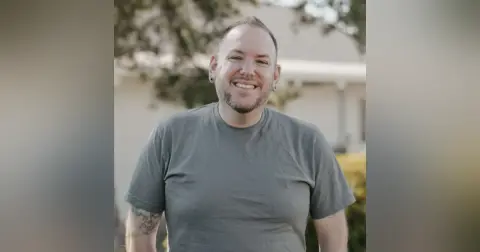
I would love to hear your thoughts on this episode. Please send me a text... What does it take to create lasting recovery? In this episode, I'm speaking with Josh Levine, Executive Director of Powerhouse Ministries, to explore an organization that began nearly 35 years ago with his mother Nancy’s desire to help families visiting loved ones at Folsom Prison. That initial act of compassion has grown into a comprehensive network of residential recovery programs, counseling services, crisis suppo...


I would love to hear your thoughts on this episode. Please send me a text...
What does it take to create lasting recovery?
In this episode, I'm speaking with Josh Levine, Executive Director of Powerhouse Ministries, to explore an organization that began nearly 35 years ago with his mother Nancy’s desire to help families visiting loved ones at Folsom Prison.
That initial act of compassion has grown into a comprehensive network of residential recovery programs, counseling services, crisis support and leadership development for young people. Powerhouse now operates 59 residential beds across four campuses and provides free, two-year programming designed to address addiction, trauma and the underlying circumstances that prevent people from moving forward.
Josh shares why Powerhouse takes a grace-based, relational approach to recovery and why meaningful change requires more than external rules. We also discuss the Leadership College for youth and young adults, the organization’s 91 percent success rate among graduates of its women’s program, and plans for a new recovery facility near Folsom Prison.
At the center of everything Powerhouse does is one important belief: the opposite of addiction is not simply sobriety. It is connection.
Learn more, volunteer or arrange a tour at https://phmfolsom.org.
CHAPTERS
00:00 The story behind Powerhouse Ministries
03:38 Residential recovery and wraparound services
06:15 The Help Center serving 3,200 people annually
07:35 Leadership College and preventing generational cycles
11:45 Growing demand for residential recovery
15:20 A proposed recovery facility near Folsom Prison
22:25 Building a centralized campus and capital campaign
25:00 Taking the Powerhouse recovery model beyond Folsom
28:35 Why the opposite of addiction is connection
31:05 Employment, second chances and changing policies
33:00 James’ recovery story and meeting Josh Levine
38:30 How to support Powerhouse Ministries
Thank you so much for listening to this nonprofit story! We appreciate you. Please visit the website to sign up for our email updates and newsletter. https://www.nonprofpod.com/ And if you like, leave me a voicemail to comment on the program, leave a question for us to ask in the future or a message for me, Jeff Holden. I may even use your voice mail message in a future episode of one of our incredible local nonprofit organizations. https://www.nonprofpod.com/voicemail. Thanks again for your support in listening, commenting and sharing the great work our local nonprofits are accomplishing.
Josh Levine: [00:00:00] My best friends growing up were the children and teens that were the sons and daughters of people living in our residential homes, and that was hard. For some of my friends, their parents really got help and changed and, you know, made different decisions, and their lives got better and better and better.
And for some of my friends, their parents didn't. And so, you know, getting sober was too hard, or separating from this relationship was too hard, and, and the kids were dragged through the mud, and my heart began to break and go, "This isn't enough."
Jeff Holden: Welcome to the Nonprofit Podcast Network. Our purpose and passion are simple, to highlight the incredible nonprofits that make our community stronger. Each episode is a chance for these organizations to tell their story in their words, sharing not just what they do, but [00:01:00] why it matters to the people they serve, to their supporters, and to all of us who believe in the power of community.
Through podcasting, we hope to amplify their voices, inspire connection, and give them one more tool to impact the hearts of donors, partners, and neighbors alike. Our work is made possible through the generous support of our partners, CapTrust, offering fiduciary advice for endowments and foundations, Western Health Advantage, a local not-for-profit health plan that believes healthcare is more than coverage, it's about caring, Core, executive leadership and comprehensive support services.
They work in it so you can work on it, and Five Star Bank, a local trusted advisor to community nonprofits for over 25 years. Our episode sponsor is Sacramento Venture Philanthropy, a community of generosity combining people, expertise, and capital for [00:02:00] good. What began nearly 35 years ago with a mother's dream has grown into a powerful source of hope, healing, and transformation for thousands of people.
I'm joined by Josh Levine, executive director of Powerhouse Ministries in Folsom. Josh shares how his mother, Nancy, first felt called to help families visiting loved ones at Folsom Prison and how that simple act of compassion became an organization providing residential recovery, trauma counseling, youth leadership development, and support for people in crisis.
Today, Powerhouse operates 59 residential beds across four campuses, serves more than 3,200 people annually through its Help Center, and has achieved a remarkable 91% success rate among graduates of its women's recovery program. We also discuss plans for a new recovery facility near Folsom Prison and why Powerhouse believes the opposite of addiction isn't simply sobriety, it's connection
Josh Levine, [00:03:00]
Jeff Holden: welcome to the Nonprofit Podcast Network.
Josh Levine: Hey, thanks for having me. This is fun.
Jeff Holden: This is gonna be such an interesting conversation because of all the things that you have done and how they came to be. Yeah. So Powerhouse is no stranger to the Folsom community. You've been around for almost 35 years now. I think you said next year will be the 35th year.
Josh Levine: That's right.
Jeff Holden: But like so many organizations, we say, "Somebody had a dream. I had a dream." This literally was a dream.
Josh Levine: Mm-hmm.
Jeff Holden: Your mother had a visual dream of something she could do-
Josh Levine: Yeah ...
Jeff Holden: to help the community, and it started 35 years ago.
Josh Levine: Yeah, that's right.
Jeff Holden: Share with us a little bit about what that was, 'cause- Yeah
I'm sure you've, you've heard it many times. You are now the manifestation of it.
Josh Levine: That's right.
Jeff Holden: And I'm guessing you're about that age.
Josh Levine: I, yeah.
Jeff Holden: So.
Josh Levine: That's right. Yeah, I lived it, yeah.
Jeff Holden: So you, you've been with it the- Yes ... entire time.
Josh Levine: Yeah, yeah. That's great. Well, yeah, my family moved, uh, to the Folsom area from [00:04:00] out from Los Angeles, and my dad was a contractor, and he was hired to manage some of the construction at New Folsom Prison.
And he had gone around to different communities, worked on prisons before, but this time, the, you know, the job was really comprehensive. My whole family moved, and, and my, my mom, trying to get a lay of the land, I think she was pregnant with me at the time, came to visit the job site, and for whatever reason, this day happened to be visiting day.
And in that time, the moms and their s- kids would line Prison Road waiting to see their husbands and dads in jail. And, you know, she was a stay-at-home mom and had done some, you know, taught preschool and was in her small group at her local church. And, but seeing the moms and kids, her heart was just devastated and broken for just the pain, the heaviness of the situation.
And she began to ask my dad and ask the Lord, you know, "Why," you know, "why are we going, you know, across town to a church? What, what does it look like? Why can't our church just come [00:05:00] here?" And, and, and so that's what she did. She would go on visiting days and stand, you know, on prison road and talk with families and kind of share, hear stories and share, you know, the hope of the Lord.
And, and just began to kind of grow. My dad, you know, was like, "What are you doing?" And, you know "Are, are you even allowed to do this?" And then there was a huge, you know, shift. The... I, I, I think the, the prison went in a different direction. They chose a different, you know, project, a different way to remodel, and my dad's company was let go.
And so we ended up in a new town, and my dad didn't have a job. But my mom was convinced that this is where the Lord had her and, and that God wanted to do a significant thing with, with these people.
Jeff Holden: I'm such a firm believer there are no coincidences, and everything happens for a reason.
Josh Levine: Yeah.
Jeff Holden: And it, it's not that you can just let it happen, but you move in a direction that's meant to [00:06:00] be.
Josh Levine: Yeah.
Jeff Holden: And, and clearly... A- and I'm looking at now the, the, the irony of it. Here you possibly were in her womb when she started all this. Yes. Here you, you are the exe- the executive director.
Josh Levine: Yes.
Jeff Holden: And you have two other siblings.
Josh Levine: That's
Jeff Holden: right. But it's you who's running the organization.
Josh Levine: Yeah. That's right.
Jeff Holden: So, you know, what a, what a story.
Yeah. Yeah, what a story.
Josh Levine: Yeah, it's pretty fun.
Jeff Holden: Well, the, the scope of your service today is really amazing. You reach so many people in the community. But I, I want to address some of the programs that you've got. You've got residential programs with full wraparound services. That's right. That's a big deal in itself.
You have leadership college programs. You got something for emancipated foster youth, and you even have a program now that's underway for recovery on the Folsom Prison campus.
Josh Levine: That's right.
Jeff Holden: Tell us a little bit about the programs.
Josh Levine: Yeah. Well, I'll give you, you know, some of the escalation. As, as my mom started meeting with some of these families, you know, 35 years ago You know, she, she tells [00:07:00] this story, you know, th-there's one moment where she had a literal dream where she showed up to this apartment complex and, and it was, it was on fire.
And in, in her literal dream, she's looking around, you know, "Did anybody call, uh, the emergency services?" And, you know, "Well, no, there's nobody to call." And "Well, who's going in?" You know, "Shouldn't the professionals be here? Shouldn't they get here?" And, and, you know, nobody's going in, nobody's showing up, and, and sh- and she feels the Lord, you know, just say, "It's you.
You have to go in." And she wakes from this dream. She's meeting with these people. She's, she's encountering problems like she's never encountered in her life. You know, what do you do with a single mom that has three kids and a dad in jail and works at Taco Bell trying to support what's happening at home and, and has a drug addiction?
And, and, and it became really clear that these, you know, [00:08:00] once-a-week Bible study meetings wasn't enough. And, and so Powerhouse really, really grew. Today, Powerhouse has residential recovery programs for men, women, children, and teens. Uh, we have 59 beds across four residential campuses that offer free, no-cost, two-year programming that, you know, is addiction and relapse prevention.
It's crisis counseling. You know, we have therapists that from the time somebody joins our program to the time they leave, they have access to trauma therapy, EMDR, all these resources. And the goal is that, that people really have a chance to thrive. They really have a chance to, to slow down, to, to pause, to examine what's happened and, and how they got there and how they, how they want to change and what the future could look like.
And so I would say that's the thing we're most known for- Mm-hmm ... is our 59 residential, you know, residential beds.
Jeff Holden: And did I see somewhere on the [00:09:00] website, like 3,000 people?
Josh Levine: Yeah, so we have a help center, and our help center is basically our open door. It's a front door in the community. It's right across from City Hall.
It- It's a
Jeff Holden: walk-in?
Josh Levine: It's a walk-in. And so people experiencing homelessness, families in crisis, whatever the issue might be, can come in kind of Sunday through Thursday. They can meet with a case manager. They can get access to free therapeutic resources. They can get referrals to, you know, either one of our programs or one of our partnering, you know, agency programs.
But that's, that, our help center alone serves 3,200 people a year.
Jeff Holden: That's an amazing number, and I think people would assume it's Folsom. Well, Folsom can't have a problem like this. Folsom's fine. You know, that's a fairly wealthy community, and, and- Yeah ... it's, you know, surrounded by big homes and, you know, families.
Really, there's a problem in Folsom? But I think the reality is there's a problem in every community.
Josh Levine: Yes.
Jeff Holden: And it exists in every [00:10:00] community, and y- you are the resource. Yeah. Tell us a little bit more some of the other programs, the emancipated foster youth and what's happening with the prison.
Josh Levine: Yeah. Yeah. So our residential recovery beds, so we have 59 total beds.
Our residential recovery for those trapped in addiction abuse, that's about 46 of those beds.
Jeff Holden: Okay.
Josh Levine: The remainder of the beds are for, for youth and children, and that's really where my story came in. So- I like that
Jeff Holden: you pointed at me when you said youth. Yeah. That, that's, that felt good.
Josh Levine: You, you, you're, you're young.
You know? Right. Yeah, you're podcasting.
Jeff Holden: I, I think I'm young, right?
Josh Levine: That's a young thing. When I grew up, you know, I had, I had this really interesting... My best friends growing up were the children and teens that were the sons and daughters of people living in our residential homes.
Jeff Holden: Mm-hmm.
Josh Levine: And that was hard for some of my friends, their parents really got help and changed and, you know, made different decisions, and their lives got better and better and better.
And for some of my friends, their parents didn't. [00:11:00] And so, you know, getting sober was too hard or separating from this relationship was too hard, and, and the kids were dragged through the mud. And, and that was really hard for me. I think it was highlighted the most when I went away, went away to college, turned 18, went away to college, and, you know, all my, my powerhouse friends, you know, had these dreams.
You know, they were just like me. You know, they had these dreams, these aspirations, these goals, and, and we all did. And, you know, and I went away to college to pursue music and came home and was horrified that the people that I was close to, you know, some of them were-- now they were trapped in their own addiction or in their own relationship.
And one case, one, you know, even died of an overdose, and, and my heart began to break and go, "This isn't enough." There, there has to be... It, it's, it's one thing, you know, for us to be in this recovery thing, and that's, that, that's fine, and that's, that's a worthwhile goal. But, but sometimes [00:12:00] you have to go upstream and make sure that cycles never start.
So my passion about 12 years ago began to launch something called the Leadership College, which is really a prevention program. If our, if our recovery program is a cure- Mm-hmm ... you know, our Leadership College is prevention. And it, and it takes a wide variety of students, but one of those is, you know, foster care, um, people aging out of the foster care system, emancipated youth.
You know, CPS is removing less and less children from homes, and which means that the trauma that a lot of our kids are experiencing is going up and up. And so it became a place where, where, you know, kids could be adopted into something different, where they could dream, where they could, you know, have a "Yes, I wanna change my life," and have real wraparound support to be able to do so.
And, and so, uh, that program houses 12 students that are anywhere from about 16 years old, um, to About, I think right now, about 21, 22.
Jeff Holden: [00:13:00] Okay.
Josh Levine: Yeah.
Jeff Holden: Are they all engaged in school?
Josh Levine: Yeah. So some
Jeff Holden: of them- Is that part of, like, the requirement or so?
Josh Levine: That's right, yeah. So some of them are finishing high school, doing credit recovery or adult ed.
Some of them have completed high school, and they're starting their journey in higher education or trade school.
Jeff Holden: Mm-hmm.
Josh Levine: But it certainly is a, yeah, it, it is a requirement. And, and they also work an internship. So they start with an internship, you know, in our, in our little community as we're building some soft skills and making sure that they're employment ready.
Yes. You know? And then we partner with a lot of businesses and, and churches and organizations in the community to provide what we call externships, so where they're getting real career experience. 'Cause getting a healthy wage upon graduation is really important so that they don't have to go back into maybe an unstable living environment.
Jeff Holden: Mm-hmm. A- and we'll talk afterwards about some of the organizations that maybe-
Josh Levine: Yeah ...
Jeff Holden: make sense as well. Is there a program or, or programs [00:14:00] where you see the, the, the greatest demand? D- if you have people in there for up to two years, you... I'm assuming you're just booked up all the time, right? It's... There's gotta be a waiting list-
Josh Levine: Yes
Jeff Holden: always.
Josh Levine: Yeah. Yeah, that's right. Yeah. I'll, I'll give you an example. We, we started... And, and I know you wanted me to talk about the prison thing, so I'll bring that into it. But our men's center we started, gosh, it's been coming up on two years... I guess it's been about two years now that we started our men's center.
We had a dream of growing it. You know, we'd like to, we'd like to see 40 men, but, you know, we're learning, and we, we have 40 women. And so we wanted to match it, do an equal thing, but we, we started with a house. We bought a home, and seven men moved in. And I don't have the current number, but I'll tell you, this was...
We, we filled the seven men in, like, the first week, and in the first, gosh, I wanna say four months, we had over 800 applications for seven spots. And now- Hmm ... [00:15:00] what I'll say is, you know, not every application is the right time and the right moment and the right situation. But yeah, there... The, the need is definitely greater than we can meet.
One of the, one of the unique things about Powerhouse, though- And, and we've had to do this. You know, we say we're not just looking for people that are desperate, but we're looking for people that are desperate and ready and willing to do whatever it takes to change.
Darrell Teat: Mm-hmm.
Josh Levine: Over... We have an opportunity right now with, um, the Department of Corrections and Folsom Prison, and a lot of that is due to the success of what's happened in the women's center.
Our women's center today has a 91% success rate that people that graduate our program never return to a lifestyle of addiction, which is-
Jeff Holden: That's an amazing number. Yeah. And, and it's gotta be a tough vetting process, too. I'm looking at you as you're painfully trying to explain we can't accommodate everybody.
Josh Levine: That's right.
Jeff Holden: It, it's just gotta be a really difficult vetting process, too, 'cause you've got, you know, 8- 800 over here and only [00:16:00] The X number- That's right ... 10 or 12 at any given point in time are coming in.
Josh Levine: That's
Jeff Holden: right. You know, a tenth- Yeah ... of the number, and that other 790-
Josh Levine: Yeah ...
Jeff Holden: are out.
Josh Levine: That's right. Yeah.
Yeah, it's, it, it definitely is challenging. Mm-hmm. It, it takes a lot of prayer. We do all of our inter- our interview process, you know, as a team. We include our residents in our interview process, so they're- Oh, nice ... so they're a part of choosing who's next and, and yeah, we're really looking for people... You know, every story's a little different, and some people when they find out our program is two years and intensive, they're like, "No thank you," you know?
"I just want a house."
Jeff Holden: It's, it's not whatever it takes. Uh- That's
Josh Levine: right. And then, but we're looking for that, you know, that right situation where somebody goes, "Yeah, this happened." They've identified an issue, maybe an addiction or whatever it is that they've been like, "This is a hindrance. I haven't been able, you know, to break this."
You know, sometimes when people come into our program, they've done five, six rehab recovery [00:17:00] programs. We're a, we're another check mark, you know? And, and but we're... But you never know. You know, some people, they don't change for 20 years and they're doing the same thing, but for whatever reason, now they're ready.
Jeff Holden: Timing's right.
Josh Levine: Yeah. And so word really got out about our 91% success rate, and it's miraculous and, and at, at the time, the Department of Corrections, you know, they... California Department of Corrections and Rehabilitation, they had kinda said, "We wanna... You know, we've done a good job of corrections, but we wanna do a better job of rehabilitation."
And so they began to be open to what that might look like. They designated some space on, on these prison properties where, where maybe a program like this could happen, and it's a long story I won't catch you all in, but yeah, we're, we're discussing the possibility of putting a... It would be a phased project, but we'd start with a 20, 20-bed facility on Folsom Prison- Wow
campus.
Jeff Holden: And that would, would that be for [00:18:00] releases, for whoever’s coming out after their, their sentence, so to speak, to ease that entry?
Josh Levine: Yeah, so, so we, we would, we would definitely wanna be a resource to the prison. We'd save some spots for that. But it, but it, it could be for people coming out of prison, it could be for homeless and addicted.
Oh, okay. Um, so maybe on their way to prison. Yes. You know. But somewhere along that road, and we're, yeah, we're, we're kind of in the- We're in the process of figuring out what it looks like, you know, to partner and be that, you know, be on prison campus, 'cause that'll, that'll affect, you know, what style clothes our people can wear and, you know- Right
coming and going is a little bit different. But they have this beautiful facility that's, you know, outside the prison walls and prison fences, um, that is just perfect for this. And, and so we're really, we're really hoping to prop that up in the next, next couple years.
Jeff Holden: That's awesome.
Josh Levine: Yeah.
Jeff Holden: Yeah, that is awesome.
And, and that takes you beyond... The prison happens to [00:19:00] be in Folsom, but people in the prison are not from Folsom.
Josh Levine: That's right.
Jeff Holden: So now you're impacting a greater, uh, circle, a greater geography because w- when they graduate and they go back to wherever home is or the, the neighborhood or city or community that they're from, they're gonna be a different person.
Josh Levine: Yeah. That's
Jeff Holden: right. And they then have the ability to impact, you know, that either generation of people or, or friends and/or community in a different way because most people want to break that cycle.
Josh Levine: That's right.
Jeff Holden: And when they see somebody successful who is like them, you know, almost in every way if they were in prison, it's like, "Oh, yeah, but you got out, and, and you made it work."
Josh Levine: That's right.
Jeff Holden: You know, I, I see an episode at some point in time coming of other organizations not unlike yourself where they're working with people who are- Yeah ... are reentering. That's right. And the success rate seems predicated on the duration of stay.
Josh Levine: Yeah.
Jeff Holden: And [00:20:00] the longer-term programs have a higher success rate.
Josh Levine: Yeah.
Jeff Holden: And I think that'll- That's right ... that'd be a good conversation to have amongst, you know, o- once you've had a year under your belt of the program- ... to say, "Hey, this is what we're seeing," or maybe two years.
Josh Levine: Yeah. It'd
Jeff Holden: be wonderful.
Josh Levine: Yeah. Well, you know, and, and I, I should say this too, you know, Powerhouse is located in Folsom.
Probably about 10% of our residents come from Folsom.
Jeff Holden: So interesting.
Josh Levine: So we, so we draw from really the greater Sacramento area and, and even beyond that in times. Yeah.
Jeff Holden: So the word's getting out.
Josh Levine: Word's getting out.
Jeff Holden: Which is- Yeah ... a- a- and, and we can play the, the word is getting out-
Josh Levine: Yeah ...
Jeff Holden: in a variety of different ways.
Josh Levine: Yeah.
Jeff Holden: Tell us a little bit about collaboration. What does that look like for you? You have to be touching a lot of different organizations. You know, certainly the prison, law enforcement. Who else? Who are some of the big people that you, you play well with?
Josh Levine: Well, I'm thankful our, our current property that we're, that we're building out, it, uh, shares a property line with Folsom PD, the Folsom [00:21:00] Police Department.
Oh, perfect. Perfect. And so, yeah, so they've been, they've been in- incredible and-
Jeff Holden: Security will be solid.
Josh Levine: Security will be better than at our old facility. And, you know, in their heart, you know, they don't wanna keep busting people. Right. They wanna see people, you know, grow and change and, and so that... So we're excited about that partnership.
We have... There's a lot of incredible nonprofits in the area and out of the area. You know, Twin Lakes Food Bank, you know, helps bring a lot of our food in. Folsom's Hope, a lot of our kids are going to their after-school program.
Jeff Holden: We had someone in the program.
Josh Levine: That's right. Yeah, yeah. And yeah, she's amazing.
Jeff Holden: She is.
Josh Levine: Yeah. And then, and then we partner with, you know, even more regional organizations like City of Refuge that's based- Mm-hmm ... out of Sacramento and, and we, uh, you know, we pass people back and forth as, as we know what they're great at, and they know what we're great at and, and so it, it really takes a, a large community effort.
We, we probably have about 75 or 80 different organizations that we partner with to, you know, to get it done. Every story's different and every problem- Mm-hmm ... [00:22:00] is, is complex and
Jeff Holden: requires- But, but that's great to hear. I- Yeah ... I love to hear. It's, it's so significant today, the collaborative effort. I- if you intend to grow your capacity, you cannot do it alone.
Josh Levine: That's
Jeff Holden: right. There is, there is no such thing as a silo organization any longer. No, no. And we see so many organizations today that are reaching out and saying, "Here's what we provide and do really, really well." And it's complementary to what you do. So we, we should be working together. And, and everybody's accepting that.
Josh Levine: That's right.
Jeff Holden: And th- that's the good part. And, and that leads into the next question because it's a result of that collaboration. If you wanna get funded, you know, people wanna see you playing well in the sandbox and working with others a- and doing the service you provide for the greater good of all.
That's right. Which means you probably can't service everybody all the time every way. That's right. Meaning you need others to work with. Tell us about your funding. How are you funded?
Josh Levine: Yeah. So we are about 97% private funds. So-
Jeff Holden: [00:23:00] Outstanding. Congratulations.
Josh Levine: Yeah. Thank you. Yeah. We... About a $2.1 million annual operating budget and, and then a lot of in-kind and volun- we have a large volunteer workforce, I'll tell you that.
We have about, I think it's 380 active volunteers. That means that they're at least coming once a month, and then we have, you know, I don't know, 500 or so beyond that that come in for special events.
Jeff Holden: Sure.
Josh Levine: But, um, but yeah, most of that is, you know, it's... We have incredible, you know, it's rotary groups that come and they're donating and building things, and churches that are taking special offerings and, and individuals that have been touched by, you know, addiction or homelessness or abuse or trauma and, and they, you know, if they can ease that pain for somebody else, they do that.
So...
Jeff Holden: How many people do you employ?
Josh Levine: We have 19 employees.
Jeff Holden: Okay.
Josh Levine: Yeah.
Jeff Holden: Boy, for all you're doing, that's not a very big staff. You're running it pretty [00:24:00] efficiently.
Josh Levine: Yes.
Jeff Holden: Yeah. And I, I noticed on the website you have funding needs for one of the construction projects. That's right. We didn't really talk about that, but this is a, a great time to insert it.
Josh Levine: Yeah. So one of the infrastructure challenges that came up a couple... as we grew to, you know, nearly 60 residents and as we look at expanding to the prison, maybe having closer to 100 residents, is we had people going all over for meals, going all over for classes, going all over for counseling appointments.
And so about a year and a half ago, or, or almost two years now, we purchased our new campus that's not a residential campus. It's the first one we've ever had that people aren't living anywhere. But it is the one-stop shop for all of our residents to come in for case management, for counseling, for their classes, their programs.
And so we launched a capital campaign a couple years ago to purchase two new buildings and to heavily remodel one of them, which I will tell you, [00:25:00] we just got our permits, so- Congratulations.
Jeff Holden: Thank you. I know that's a nightmare.
Josh Levine: That has been a 15-month process that I'm glad is over. So That's... Yes. Yeah, so we're real excited.
Um, but the, the community's been incredible. We have about $1.6 million left to raise in order- Of
Jeff Holden: what? It was a $6 million project if I'm
Josh Levine: not mistaken? Yeah, it was about a $6 million project. Yeah. And most of that was acquisition. We've done about... The construction cost has been about $1.5 million to remodel the buildings that we bought for, for our use and, and, and our, our goal is to operate, you know, completely debt-free, have construction paid off and all that.
So yeah, so we're right in the... We're, we're in the thicket of
Jeff Holden: that. You're, you're at the very tail end of it, right?
Josh Levine: Hey, I'll tell you-
Jeff Holden: The, the construction's going, but the tail end of the fundraising.
Josh Levine: Tail end of the fundraising. And all, you know, it's been amazing. You know, we... When this became a need, you know, we didn't...
This wasn't a five-year plan. We didn't have all this money saved for this project. Right. But it became a need and our community really, [00:26:00] really showed up, so it's been incredible.
Jeff Holden: Let's take a short break to allow those who make this program possible give us some helpful information.
James Beckwith: I'm James Beckwith, president and CEO of Five Star Bank.
We're dedicated to supporting nonprofit organizations who advocate for the strength, resilience, and vitality of those they serve. When nonprofit organizations thrive, our community does too. By supporting the Nonprofit Podcast Network, Five Star Bank is amplifying the voices and meaningful impact of our nonprofit community.
We're Five Star Bank, a trusted nonprofit partner. How can we help you?
Darrell Teat: Hi, I'm Derrell Tete with CXORE. Here's a question for every executive leader: How much of your time is being spent on things that keep you away from actually leading? At CXORE, we help organizations fill those gaps with experienced fractional executive leadership and back office support [00:27:00] across areas that keep the organization running.
Whether you lead a nonprofit or growing a business, sometimes you don't need more overhead. You just need the right expertise. You wanna work on the business, not in the business. That's CXORE. Learn more at C-X-O-R-E, cxore.com.
Scott Thomas: Hello, this is Scott Thomas with CapTrust in our Sacramento office. I specialize in working with local nonprofits and associations.
Annually, we survey private and public nonprofit organizations across the country to better understand challenges they see in today's environment. In our more recent survey, we heard concerns about proper board governance, mission-aligned investment, and how to implement alternate investments. If you would like a copy of the survey or to discuss your organization, look me up, scottthomas@captrust.com.
Jeff Holden: At Western Health Advantage, healthcare isn't just a service, it's a shared value. As a [00:28:00] nonprofit leader, you need a health plan that understands the importance of mission-driven work. Western Health Advantage is a local, not-for-profit health plan that supports organizations like yours with affordable, flexible coverage options for your team.
But what truly sets them apart is their commitment to community, supporting nonprofits like the American Heart Association, Sacramento Ballet, and the Crocker Art Museum's Pay What You Wish Sundays. With access to top-tier providers and dedicated local support, Western Health Advantage is more than a health plan.
It's a partner in your purpose. Explore your options today at westernhealth.com. Western Health Advantage, healthcare with heart, designed for those who give back.
Brad Squires: Hi, I'm Brad Squires, CEO of Sacramento Venture Philanthropy. For more than a decade, SVP has brought together local donors, business leaders, and nonprofit changemakers to do philanthropy differently. [00:29:00]
Through pooled funding, hands-on mentorship, and programs like Fast Pitch and 100X, SVP helps nonprofits build real long-term capacity, not just short-term solutions. If you're looking to go beyond writing the check and wanna use your experience, your voice, your leadership to create a lasting impact and have a lot of fun doing it, now is the time to join SVP.
Learn more about becoming a partner at SVPSacramento.org.
Jeff Holden: This is a, a- I, I laugh when I ask this question of you because it's very, very different, 'cause everything started with a dream. I mean, literally with a dream. But coming out of the funding question, we always ask, what's the vision? What's, what's the bigger picture?
And you've got so many pieces already moving. You know, it's, it, it's like your mom- We have big dreams ... has your mom had another dream? You know, so what's, what's the next one? You know, what does it look like? Is, is... Where do you see the organization when you think about if somebody were to say, you know, "Hey, [00:30:00] Josh, here's, here's a blank check.
Do what you need to do"?
Josh Levine: Yeah.
Jeff Holden: You know, what would it look like?
Josh Levine: Well, you know, we do recovery very different than most recovery environments you walk into. Probably more expansive. And you're right, when I think of, you know, as we ha- we're on this journey to 100 residents, and, you know, my team will be like, "Do we want 200 residents in Folsom?"
And no. I don't think so. You know, but we love what's happening, and we do think that, that it should happen in other communities. And, and we, right now we're going through some process to, to, to really put together what this program is in its entirety and how it could be duplicated. And, and we've developed and refined some curriculums over the last 30 years that, that, that I think really need to get some airtime.
So we're working with some writers and stuff to develop, you know, our curriculum and make it accessible to, you know, to people around the world [00:31:00] and around the count- I'll, I'll tell you, when we, when we first started doing recovery and housing, our success rate wasn't 91%. Of course. In fact-
Jeff Holden: Right ...
Josh Levine: it was abysmal.
And, and we were lucky that, you know, one or two would make it here or there. And, and my mom, in her wisdom, reached out to a bunch of different people and got turned on to, to some places where they were really doing things very different. The culture was different. The idea around it was different. I think at this point we really feel the responsibility to pass that even further and go, "Hey, there's a new way that recovery can happen."
And most recovery environments, they're-- it's kind of prison cultures. Its rules based. It deals with-- We talk about why doesn't prison work? Well, it's external controls. It's if I hold you still and tell you not to do something and take away any of your ability to do something, well, then you won't do anything.
You're good. The problem is-
Jeff Holden: Until I let you go ... I
Josh Levine: let you go, and your heart hasn't changed. So at Powerhouse, we really try to strip, as much as, as safe, [00:32:00] strip the external controls. We say we're not a rules-based program. We're a, a grace-based program. We're a conversational program. Because what we really wanna get to is what did you choose to do?
What did you want? What were you thinking? What were the results of your choice? What was the effect on the environment? Do you wanna change? You know, we wanna get to these deeper, deeper questions because if, if you can affect how somebody thinks and responds and what happens on the inside, if you can affect their heart-
Jeff Holden: Mm-hmm
Josh Levine: they might not need your program.
Jeff Holden: Right.
Josh Levine: And, and I'll be honest and say that's our goal.
Jeff Holden: Right.
Josh Levine: You know?
Jeff Holden: Ultimately, it is. We, we want you out and well.
Josh Levine: That's right. You
Jeff Holden: know, and I have a friend who his line is always, you know, "Get out of your head and into your heart."
Josh Levine: That's right.
Jeff Holden: Get out of somebody else's head, help them get out of their head and into their heart, and you're gonna think about it differently.
Yeah. Because it really becomes an emotional piece of what you do.
Josh Levine: That's right.
Jeff Holden: Back to day-to-day reality. You're running a- ... multimillion-dollar operation. [00:33:00] What's the, uh, the greatest need right now?
Josh Levine: Oh, man. You know, we use this terminology, but, but it's, it's a reality, moms and dads.
Jeff Holden: Mm-hmm.
Josh Levine: I think it's easier to find somebody that will serve or do a community service project than it is to find somebody that'll invest deeply.
And a lot of, you know, whether it's the adults or the children we work with, most of them are orphans, and what really brings about cha- We, you know, we say this all the time in our... And there was a famous TED Talk that said this, but the opposite of addiction isn't sobriety. The opposite of addiction is connection.
And so, and that's really, you know, the basis for some of the transformational work that happens at Powerhouse is this connection, and looking... We're always seeking people that are willing to be connected with somebody different.
Scott Thomas: Mm-hmm.
Josh Levine: And yeah, so I think there's ways to get involved in that way, you know- We're raising 1.6 [00:34:00] million, you know, that it's gonna take, it's gonna take our city- Mm-hmm
you know, to put that together and, and then I, then I think one of the more recent challenges that we're brainstorming is just with inflation and, and we're in Folsom, it's not, you know, it's nice and, you know, finding affordable housing and, uh, jobs for people that where they can sustain, support a family.
And so we're constantly... I think that's probably three out of the last 10 emails we've sent is, "Who will hire our people?" Right. You know, and give them an opportunity and, you know, so if you're connected to businesses and, and, and are willing to give somebody a shot that way, that'd be amazing.
Jeff Holden: And I think that's a great ask, too.
For people to understand there is a program that is creating some economic development, some, you know, workforce development.
Josh Levine: That's right.
Jeff Holden: It's so many people are looking for work. That's right. Meaning employees, you know- That's right ... for decent [00:35:00] employees with at least an understanding of what it's gonna take.
Josh Levine: Yeah.
Jeff Holden: And this is an opportunity to look at somebody who's got some guardrails on them.
Josh Levine: Yeah.
Jeff Holden: You know, you, you know they're going back to their program.
Josh Levine: That's right.
Jeff Holden: And this is just to get them going.
Josh Levine: And I'll tell you this, I, just to, just 'cause this story is one of my favorites. We had a, a graduate of our program a few years back that as part of her externship, she interned for a major healthcare facility.
Mm-hmm. And, and they loved her, fell in love with her. She was working for free, you know, we just wanted her to bolster her resume, get some work experience. She, she also was a felon, and that healthcare organization, you know, had the policy that they wouldn't hire someone in that situation. But for her, they changed that policy and she's now been on staff there for the last six years and [00:36:00] supporting her family and bought a home.
Jeff Holden: Oh my gosh.
Josh Levine: And, um, so I'll, I'll say, you know, there's some incredible people out there that deserve a shot.
Jeff Holden: Well, and to that point, too, not only did they change that policy, but that policy change now opened the door for others-
Josh Levine: That's right ...
Jeff Holden: who may be equally as good-
Josh Levine: That's
Jeff Holden: right ... as the individual that you got placed there.
Josh Levine: That's right.
Jeff Holden: You know, or, or, or better.
Josh Levine: Yeah.
Jeff Holden: But it's an opportunity that didn't exist as a result of the program.
Josh Levine: That's right.
Jeff Holden: And it, it changed... Any healthcare system is a behemoth. You know, it's, it's a nightmare to get something done like that, so congratulations. Yeah. That's a, that's a great story.
Thanks. We have an opportunity here now where, you know, we sh- ask you to tell a story, but we're going to insert a story- Yes ... because you've got a video from somebody that, uh, has gone through the program. You wanna tee it up just a little
Josh Levine: bit? Yeah, I'll just, uh... So this is, this is James. He is amazing. He is among the first fruits [00:37:00] of our men's residential recovery programs because that program is new.
Um, but he graduated just a couple of months ago, and every time I see his story or see his face, I wanna cry and laugh and cheer all at the same time. And so I just wanted to make sure that you guys got to see it. He's an incredible man.
Jeff Holden: Good. Well, we'll let that roll.
Josh Levine: Yeah.
James: Man, it's crazy I'm even here, because before Powerhouse, I was a chain-smoking, dope fiend sex addict.
Cussing was my first language, and I risked my jobs, cars, and friendships, places I stayed, just to get drugs and have sex. I had a best friend pass away in my room, and many others, including myself, almost die and OD. Ambulance rides and trashy hotels was normal for me, and I was the definition of a powerless person, and self-sabotage was one of my favorite hobbies.
I also was on the run with two DUIs from the cops, and the first thing my strategist, David, had me do was deal with that. [00:38:00] Honestly, I never intended to stay sober this long. I went into rehab just to detox so I could go back to using on the weekends. But while I was there, I met a graduate named Taylor at an AA meeting who shared her testimony with me, and it got me interested.
But if I'm being real and honest, I had ulterior motives coming in. I was missing my top six teeth, so yeah, I couldn't pass that up. About 30 days into Powerhouse, I'd got my phone back. I wasn't planning on going back to using drugs, but I was still planning to hook up with people from the dating apps I was using.
I had something all lined up, but I chose to bring it to Kevin, one of the pastors, thinking he might be chill about it. Well, that conversation didn't go the way I expected, but it changed something in me. For once, I stopped and really listened to someone who had a life that I wanted, and I realized I had been giving pieces of myself away to people I didn't even know.
Right then, I knew something had to change. [00:39:00] From that moment forward, God saw my obedience and did way more than I ever signed up for. I started learning new ways to build real intimacy. I began trusting my leaders and opened up to my roommates about who I really was. That was new for me. Growing up, leaders in my life either left me or were led by addiction.
Trust didn't come easy. But choosing vulnerability allowed me to finally get the help that I needed. Today, I'm only a few weeks away from celebrating one year free from sexual addiction and nicotine, and almost two years free from five other substances that I don't feel like naming. But I've put death the rockstar lifestyle I once chased, and now I'm living what I like to call a Godstar lifestyle.
I enjoy the simple things, like going to sleep in a clean bed and waking up with joy. I care about my finances. I have a savings account and I budget. I've changed everything. I've become someone who [00:40:00] speaks up. I resolve problems with love, and I set boundaries, and I step into uncomfortable situations with courage and boldness.
I built new habits by reading the Bible every morning. Journaling, writing poems, and playing pickleball. I go out to share the love of Jesus, speaking hope to the hopeless, and I love going to work and waiting tables. If I had a thousand tongues, I couldn't fully express all that the Lord has done for me and what He's still going to do.
I can't wait to see what this new future is gonna look like
Jeff Holden: What a powerful story we just heard from James. Josh, running a, a nonprofit is not necessarily for the faint of heart. A- a- and you've got one that is not only a nonprofit, but also a family business.
Josh Levine: Yeah.
Jeff Holden: And it's a church.
Josh Levine: Yeah.
Jeff Holden: So you've got a lot of different [00:41:00] elements that can weigh on somebody's shoulders.
And, and you see it, you live it, you live in the community. It's hard to dissociate. But there's a Josh in there, too. A, a- P- ... Josh with a family and three children, and a relatively newborn four-month-old at the time that we're- That's right ... recording this. Let's go beyond the mission- Yeah ... and just learn a little bit about you.
I'm gonna ask you some fast questions and- Yeah, let's
Josh Levine: do it ...
Jeff Holden: a- and we'll roll. This'll be fun.
Josh Levine: All right.
Jeff Holden: So I'm, I'm gonna start by, I'm gonna ask, there are a couple questions that I'm gonna throw in there 'cause I just learned something.
Josh Levine: Okay.
Jeff Holden: Okay. So are you a coffee or tea guy?
Josh Levine: Coffee.
Jeff Holden: Oh, okay.
Josh Levine: Yeah.
Jeff Holden: On a trip, is it beach, mountain, city, or just a road trip?
Josh Levine: I'm gonna say beach.
Jeff Holden: Okay.
Josh Levine: Yeah.
Jeff Holden: Favorite vacation destination?
Josh Levine: Hmm. I will say, I just got back from Hawaii.
Jeff Holden: I'm looking at your hat. Your hat says Hawaii. My hat says Hawaii. I'm
Josh Levine: thinking
Jeff Holden: maybe he's gonna say Hawaii.
Josh Levine: I'm, I'm gonna claim Hawaii right now. There's
Jeff Holden: a lot of beach there, too. Yeah, there's a lot of beach.
So that
Josh Levine: all works. I had a good time. Yeah.
Jeff Holden: How about what was your first car?
Josh Levine: Uh, a Toyota 4Runner.
Jeff Holden: Oh, not a bad first [00:42:00] car.
Josh Levine: Yeah. Uh, it was an old Toyota
Jeff Holden: 4Runner. Uh, right.
Josh Levine: That sometimes did the running part, but-
Jeff Holden: Right,
Josh Levine: right ... but yes.
Jeff Holden: It's amazing, those things, right? Yeah. They just run forever. That's right. I see them, like, a- at double five-digit prices with 240,000 miles on them.
Josh Levine: That's right.
Jeff Holden: What's a perfect day off look like for you?
Josh Levine: You know, I, I have so much fun with my kids right now. I think slow paced. No drama, no emergencies. You know, going to the zoo, going out to lunch, um, spending time with my kids.
Jeff Holden: Fun stuff.
Josh Levine: Yeah.
Jeff Holden: What quality do you appreciate most in the people you work with?
Josh Levine: Honesty, humility. When you talk with them, they have a way that just the whole, the veneer, the facade, the performance just is not- Mm-hmm ... it's just nonexistent.
Jeff Holden: It's real.
Josh Levine: Yeah.
Jeff Holden: What is one chapter of your life that explains a [00:43:00] lot about who you are?
Josh Levine: I lost my dad when I was 11, and I... While I still had a supportive and incredible mom, I felt like, I felt what it was like to feel alone.
Jeff Holden: Mm-hmm.
Josh Levine: Yeah.
Jeff Holden: Understood. Tough one.
Josh Levine: Mm-hmm.
Jeff Holden: In one sentence, what are you grateful for today?
Josh Levine: Hmm. My family. Yeah, my kids. The people, the heroes- Yeah ... that have really done the changing, that have done the work, that have-
Jeff Holden: 19 people to me is amazing. That, for the size of the organization, what they're doing is absolutely incredible.
Josh Levine: Yeah. Yeah, we have an amazing, amazing team that works really, really hard.
Jeff Holden: If somebody wants to support the organization and thank you for that. That was- Yeah ... that was fun to learn a little bit. Yeah. What I was gonna say is I, most [00:44:00] people probably don't know, the, the group we're speaking to at least, that you played guitar in a rock band.
Josh Levine: That's right.
Jeff Holden: And this is what you did-
Josh Levine: That's
Jeff Holden: right ... before you came into Powerhouse Ministries.
Josh Levine: That's right.
Jeff Holden: Yeah, so, uh, just tell us a little bit of just a quick little story. Give us something.
Josh Levine: Yeah, I, I... Well, I used to tour around in a punk rock band, a lot of different name, but one of them, Shuttle Number Seven, and when I went away to school, I went away to school to, um, just 'cause I wanted to be a better rock star, and then found out that I would have to teach music and, you know, learn music theory, and wasn't sure that was for me.
But yeah, I'm a creative and a little bit of a nerd, and love music and yeah.
Jeff Holden: Do, do you play at some of the services at church?
Josh Levine: You know, I did for about 15, 20 years. I still do about once a month. Okay. I'll play guitar, and I'll sing, and I'll, and I'll, and I'll do that, but we have an am- we have an amazing young gal that leads our worship, and so I, I let [00:45:00] her do her thing.
Jeff Holden: They're probably like, "Oh, no, not Josh again."
Josh Levine: Well, they make me talk now, so now I, now I bring the message more often than I sing, but-
Jeff Holden: Perfect ...
Josh Levine: yeah, but it's fun.
Jeff Holden: How can interested parties learn more, get engaged with Powerhouse Ministries?
Josh Levine: Yeah, I, I mean, I think the easiest space is just drop by our, our website, phmfolsom.org, or come in.
We'd love to... We, we give, gosh, about eight or nine tours a week. It takes a, it, it takes a second to, to understand the breadth of what's happening at Powerhouse, but come in and see for yourself, meet some of our people, get connected. On our website, you can sign up to serve, to volunteer, and our volunteer coordinator, Chris, she's amazing.
She'll reach out to you and, and give you the tour and, and find, find the spot.
Jeff Holden: Well, and compliments to you too. The website's very comprehensive, and it's easily navigated.
Josh Levine: Yeah.
Jeff Holden: So you guys have done a good job with it.
Josh Levine: Yeah. Thank you.
Jeff Holden: You know, it's, it's [00:46:00] not often we see an independent organization born out of a smaller community, which Folsom was 35 years ago.
It was way out there.
Josh Levine: That's right.
Jeff Holden: It was the end of SMUD territory. That, that was the end of it. It hit the lake, and it was as far out as you could go. That's right. That's also family-run, turn into what you've become today. Yeah. And your mom, Nancy, has, has just done an incredible job, and that dream that she had, she's gotta step back and said, "This is 10X, 100X what I ever- dreamt it would be.
Josh Levine: Yeah.
Jeff Holden: But thank you to her for her vision- That's right ... and that dream, but also to you and the incredible team of caring individuals, those people with humility who are doing what needs to be done to help those in a greater need. And congratulations on all the growth and the continued growth that you're seeing.
We really appreciate what you're doing.
Josh Levine: Yeah. Thank you. Yeah, it's, [00:47:00] it's a miracle. And yeah, she's still... It's funny, her dream was to help people, not to build a big program. And, you know, I think- Whoops. Yeah. Yeah. But it's been incredible. Yeah. And today both are happening, where, uh, you know, so many people can receive the help and resources that they need.
And, and, and we pinch ourselves and go, "I, I never knew." Right. You know? I never knew that it could be something like this.
Jeff Holden: Well, congratulations on all that you have going on.
Josh Levine: Yeah.
Jeff Holden: And now let's go make something better.
Josh Levine: Yeah. Thank you.
Jeff Holden: Thank you for listening to the Nonprofit Podcast Network. We hope today's episode inspired you and gave you a deeper look into the work of our local nonprofits.
If you believe in our mission to amplify their voices, please take a moment to leave us a positive review and share this episode with a friend. It helps more people discover the incredible work happening in our community. Don't miss future episodes. [00:48:00] Subscribe to our weekly updates and monthly newsletter at nonprofitpod.com.
And if you're a part of a nonprofit that would like to be featured, we'd love to hear from you. Just visit the guest tab on our website. The Nonprofit Podcast Network is recorded and produced at Hear Me Now Studio with generous support from our partners, CapTrust, fiduciary advice for endowments and foundations, online at captrust.com.
Western Health Advantage, local care with community impact. Find the plan that fits at westernhealth.com. Core, executive leadership and comprehensive support services. Visit cxore.com. And Five Star Bank, a local trusted advisor to community nonprofits for over 25 years, fivestarbank.com. And finally, our episode sponsor, Sacramento Venture Philanthropy, a community [00:49:00] of generosity combining people, expertise, and capital for good, sbp sacramento.org.


