
Beyond The Nutcracker: Sacramento Ballet’s Community in Motion
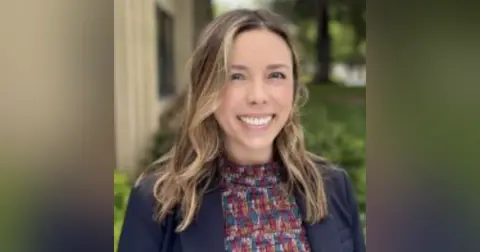
I would love to hear your thoughts on this episode. Please send me a text... For many of us, Sacramento Ballet means The Nutcracker and a treasured holiday tradition. After visiting the organization’s home at The Clara, I realized how much more there is to discover. In this episode, I sit down with Dr. Kiera Anderson to explore an organization that has been part of Sacramento’s cultural life since 1954 and continues to create new opportunities for people to experience dance. We talk about a s...


I would love to hear your thoughts on this episode. Please send me a text...
For many of us, Sacramento Ballet means The Nutcracker and a treasured holiday tradition. After visiting the organization’s home at The Clara, I realized how much more there is to discover.
In this episode, I sit down with Dr. Kiera Anderson to explore an organization that has been part of Sacramento’s cultural life since 1954 and continues to create new opportunities for people to experience dance.
We talk about a school serving approximately 400 students during the school year, a second company helping young dancers prepare for professional careers, and community programs that bring movement into people’s lives at every age. That includes falls prevention classes for older adults and sensory-friendly performances designed to make the theater more welcoming.
Kiera also explains the business behind the beauty. Ticket sales cover approximately 40% of the cost of a professional production, making donors, grants, corporate partners, and earned income essential to sustaining the work.
One of my favorite moments is her story about a woman in her eighties who had always wanted ballet lessons and finally found a place where she could feel like a dancer.
It’s a conversation about access, belonging, nonprofit sustainability, and the value of experiencing something together.
Learn about performances, classes, and ways to support Sacramento Ballet:
https://www.sacballet.org/
CHAPTERS
00:00 Meet Dr. Kiera Anderson and Sacramento Ballet
02:00 Beyond The Nutcracker: The School and Second Company
05:00 Family Performances and Sensory-Friendly Experiences
10:00 Community Partnerships and Sacramento’s Arts Network
16:00 Funding Ballet and Supporting Professional Artists
25:00 The Vision: More Space, Access, and Outreach
35:00 Scholarships, Staffing, and Unrestricted Support
39:00 The Human Impact of Dance and Live Performance
44:00 Beyond the Mission: Getting to Know Kiera
49:00 Ballet Belongs to Everyone and How to Get Involved
Thank you so much for listening to this nonprofit story! We appreciate you. Please visit the website to sign up for our email updates and newsletter. https://www.nonprofpod.com/ And if you like, leave me a voicemail to comment on the program, leave a question for us to ask in the future or a message for me, Jeff Holden. I may even use your voice mail message in a future episode of one of our incredible local nonprofit organizations. https://www.nonprofpod.com/voicemail. Thanks again for your support in listening, commenting and sharing the great work our local nonprofits are accomplishing.
Dr. Kiera Anderson: [00:00:00] A lot of people might see ballet as very exclusive and not for them. And what I want people to, to walk away with and understand is that ballet is for everyone. Dance is for everyone. And that's really why we're leaning into our outreach and accessibility programming, because we want people to feel, like I said, that sense of belonging.
And I want people to feel that they belong at the ballet, whether they come and take a class or they come and watch a performance or all of the above
Jeff Holden: Welcome to the Nonprofit Podcast Network. Our purpose and passion are simple: to highlight the incredible nonprofits that make our communities stronger. Each episode is a chance for these organizations to tell their story in their words, sharing not just what they do, but why it matters to the [00:01:00] people they serve, to their supporters, and to all of us who believe in the power of community.
Through podcasting, we hope to amplify their voices, inspire connection, and give them one more tool to impact the hearts of donors, partners, and neighbors alike. This work is made possible through the generous support of our incredible partners, CapTrust, offering fiduciary advice for endowments and foundations.
Western Health Advantage, a local not-for-profit health plan that believes healthcare is more than coverage, it's about caring. Core, executive leadership and comprehensive support services. They work in it so you can work on it. And Five Star Bank, a local trusted advisor to community nonprofits for over 25 years When I toured Sacramento Ballet's home at the Clara, I saw a side of the organization that most of us never see from our seats in the theater.
The [00:02:00] dancers are extraordinary artists and athletes, but the performances are only part of the story. Sacramento Ballet has been part of this community for more than 70 years. Today, its school welcomes students from age two into their 90s. Its dancers bring ballet into schools and public spaces, while movement classes help older adults build confidence and balance.
And this season, the company is expanding its sensory-friendly performances so more families can feel welcome at the ballet. I sat down with Dr. Kira Anderson to talk about the people and partnerships behind that work, what it takes to sustain a nonprofit arts organization, and her belief that dance belongs to everyone.
With a plié and bow, Dr. Kira Anderson, welcome to the Nonprofit Podcast Network.
Dr. Kiera Anderson: Hi, Jeff. Thank you so much for having me.
Jeff Holden: I am so excited to have this conversation because I had the ability to tour your facility [00:03:00] in Midtown, and-
Dr. Kiera Anderson: Yeah ...
Jeff Holden: wow. I- Yeah ... I just had no idea. Something I love on the website.
Dr. Kiera Anderson: Mm-hmm.
Jeff Holden: Bold, artistic, athletically driven.
Dr. Kiera Anderson: Yes. I
Jeff Holden: mean, what a statement because it's so true when- Mm-hmm ... when you look at what anybody in the ballet has to go through-
Dr. Kiera Anderson: Mm-hmm ...
Jeff Holden: to be a performer. I mean, I'm, I'm an very amateur cyclist and I- Mm-hmm ... pride myself on my legs, right?
Dr. Kiera Anderson: Yeah.
Jeff Holden: I'm looking at those legs- ... both boys and girls going- Uh-huh
"Oh my gosh, I'd be in cramps like- Yes ... you can't imagine."
Dr. Kiera Anderson: They're professional athletes and also these incredible artists and technicians.
Jeff Holden: It-
Dr. Kiera Anderson: It's incredible ...
Jeff Holden: it re- it truly, truly is. The ballet has been a part of the community for now over 70 years. Mm-hmm. It's one of the most mature organizations we have-
Dr. Kiera Anderson: Yeah
Jeff Holden: in Sacramento. Many of us generally know what it is- Mm-hmm ... and we certainly know the flagship of the ballet, ballet. But [00:04:00] what it's become today versus what it started out as is night and day.
Dr. Kiera Anderson: Yes.
Jeff Holden: And I think so many of us only see the front-facing part of the ballet- Mm-hmm ... which is the performances.
Dr. Kiera Anderson: Mm-hmm.
Jeff Holden: And obviously, for those who are even less engaged, it's, it's one performance.
Dr. Kiera Anderson: Right.
Jeff Holden: And it's that Nutcracker every year that we, we know, and the kids love, and it's a holiday, you know, just a regular holiday experience- Mm-hmm ... for most families. It's a tradition. But it's so much more.
Dr. Kiera Anderson: Yeah.
Jeff Holden: Give us a rundown.
Y- you, you, you see it from the inside out. Tell us a lot of what's changed.
Dr. Kiera Anderson: Mm-hmm. Yes, and all good organizations continue to evolve, right? And Sacramento Ballet has evolved since its inception in 1954, which is just incredible to think about the history, the legacy. It's also intimidating sometimes to me to think about that as a leader- Yes
you know, and the responsibility to the organization to really honor its history and then also continue to [00:05:00] evolve within this current landscape. And our current season really speaks to that. It's called Legacy in Motion, is what we've titled our current season. And that encompasses, of course, our professional world-class ballet performances, which is that forward-facing piece that you talk about.
But even with that, some folks only know us as The Nutcracker. Right. They don't realize that we do four other productions every year, which for a company our size is actually pretty phenomenal. A lot of regional companies do not have the ability to, to do that many performances, so we are very proud of that.
And then beyond that, we have a School of Sacramento Ballet where we serve 400 students every year, and those students range in age from two years old all the way up to 98 and everything in between. Wow. Yes, I know. It's, uh... Our school launched on Monday this week, and just the energy in the hallways was electric and so exciting to see people at every stage of their dance journey.
Um, [00:06:00] for our organization to be really welcoming dancers regardless of their experience, you know? We have dancers who are starting for the first time, and then we have dancers who are about to launch into a professional career, and that's our second company. So our second company is basically the bridge between the school and our professional company.
Jeff Holden: Okay. Mm-hmm. Thank you for clarifying- Yeah ... 'cause those are some of the questions I've got. And I recall when I was there You said the demand on the school itself- Mm-hmm ... you, you, you're at capacity. You can't take any more students.
Dr. Kiera Anderson: We are at capacity. We, we have some classes that still have some space available.
Some of our teeny tiny class- dance classes are available and, and maybe throughout, but yeah, we're wait-listed across the board, which is a great problem to have.
Jeff Holden: Yeah, it surely is.
Dr. Kiera Anderson: Mm-hmm.
Jeff Holden: So keep going. Tell me a little bit more- Mm-hmm ... about the second company.
Dr. Kiera Anderson: Yes. So second company, they are typically in their late teens, early 20s.
They are ready to launch into a professional career [00:07:00] as a ballet dancer, and these are the final year or years of training for them. So they train within our school every day. They are in class 9:30 in the morning and in rehearsals until about 4:15 in the, in the evening. And they also serve as our corps de ballet, which is, if you're not familiar with the ballet terminology, it's kind of like the ensemble of our professional productions.
So they are able to participate in those and, and dance alongside our professional company, which obviously is incredible training in and of itself. And we have about 30 to 35 dancers every season in our second company. And they also do a lot of public performances for us, so-
Jeff Holden: Just answered my next question.
Mm-hmm. Do they get out and they- Absolutely ... actually get to perform in front of an audience?
Dr. Kiera Anderson: Yes. So sometimes they'll be doing fun, we call them run-outs, maybe to the farmer's market, or we're doing some activations with Nugget Market this year around Nutcracker season, and so they'll do those kinds of performances.
And then they have their own special productions that they do every year. [00:08:00] So the family series is really the one that draws a lot of community members. It's a, you know, short ballet, about 55 minutes. It's family-friendly. It's interactive for the children, so they get a chance during the intermission to get up and stretch and move their bodies and try to embody some of the characters from the ballet.
And we have a sensory-friendly performance with that as well. So we're opening that up to community members who might need a sensory-friendly experience. And
Jeff Holden: I want you to explain that a little bit- Mm-hmm ... 'cause that's something new this year, yes? Or, or you started it last year?
Dr. Kiera Anderson: We piloted it last year- Yes
during our family series, and it went so well and was so beautifully received that we decided to expand that program, and we're going to be offering a sensory-friendly performance of The Nutcracker. I could not be more pleased about this. I don't know of any other organizations in town that have the resources to do this, so really proud that we're going to be serving that community this year.
And
Jeff Holden: for the benefit of those- Mm-hmm ... who are listening going, "Wait, what is a sensory experience?" Yes. "Do we get to [00:09:00] go on stage?" Yeah. No, not
Dr. Kiera Anderson: quite. That's, this is a great question. Yeah. So it's really for those members of our community maybe who are neurodivergent, people with disabilities, maybe have sensory processing disorders, anybody who needs just a special, warm, welcoming performance experience.
So during the performance we'll keep the house lights, which are in, you know, the audience section, we'll keep the house lights up to half instead of taking them all the way out. So there's a little bit of light in the audience so people can see. We'll take the sound levels down by about 25%, so it's not quite so loud.
We'll also make sure that the lighting maybe isn't as aggressive. You know, those flashing lights can be really difficult for some people to process. And then also during the performance, folks are invited to move around, to express themselves vocally if they need to. If things become overwhelming, we have a calm and reset space in the lobby.
So people can get up and move [00:10:00] over to the lobby if they just need a little bit of a break, if the performance is too over-stimulating, and then they're welcome to come back when they feel ready to do so. So the goal is really for people to feel a sense of belonging in the theater- And for a lot of people with disabilities, a lot of people who are neurodivergent, sensory processing disorders, they don't always feel welcome in these, you know, professional performance spaces.
And accessibility is at the core of our mission, so this is really a priority for us as a team. We're going to be partnering with community groups to make sure that we have members of this community who are providing their input so that the performance actually is serving the community it's meant to serve.
We're partnering with Access Dance, which is an incredible program that serves people with disabilities, providing dance classes that are open to anybody who wants to try. We're going to be featuring one of our- one of their dancers in our cast of The Nutcracker.
Jeff Holden: Oh, how cool
Dr. Kiera Anderson: is that? And that cast will be [00:11:00] performing during the sensory-friendly performance.
So we're just really trying to make sure that anyone in our community who wants to come to the ballet feels welcome.
Jeff Holden: And giving them that access, I think I recall you even saying the seating was spaced- Mm-hmm ... differently as well.
Dr. Kiera Anderson: That's right. Yes. Thank you for mentioning that, especially if any of your listeners are interested in attending this performance.
That's important to note. So instead of seating people shoulder to shoulder, which I get a little overwhelmed sometimes when I'm in the center of a really long row and, you know, there's so many people around you. It can, it can be a lot. So we seat folks with a lot more space around them, so, so they just feel a little bit more at ease.
Jeff Holden: Mm-hmm. That- that's such a neat concept. Yeah. I can't say I've experienced it yet, but I can certainly visualize it-
Dr. Kiera Anderson: Mm-hmm ...
Jeff Holden: and understand it, having been involved with organizations that deal with neurodivergent- Yes ... kids, adults, families that are trying to deal with it. And, and you can only empathize the, the challenges-
Dr. Kiera Anderson: Yes
Jeff Holden: number one, but [00:12:00] secondly, the misfortune if they don't get to experience it when they know that their child might really enjoy it.
Dr. Kiera Anderson: Yes.
Jeff Holden: You know? A- and/or the adult might really enjoy, enjoy it.
Dr. Kiera Anderson: Absolutely.
Jeff Holden: So that's a fabulous, a fabulous thing that you're doing. I love hearing that.
Dr. Kiera Anderson: Thank you. Thank
Jeff Holden: you. You started to go down the path of naturally The collaborative partners.
Mm-hmm. Mm-hmm. Because you're saying who you work with. Obviously, the ballet is engaged deeply in the community in so many different ways. Mm-hmm. You have different areas of performance. You're working with other organizations- Mm-hmm ... to expose the dancers and, and now we understand with the second company.
Yes. Who are some of the organizations that you find yourself working with? Mm-hmm.
Dr. Kiera Anderson: Yes, so I think our, our most important partner would have to be The Clara. That's the building that houses the, our rehearsal studios, our school studios, and our administrative offices. So it's our home. Mm-hmm. And, and I practically live there now.
So, um, that building's really important to me, and the building is run by a separate nonprofit [00:13:00] organization, which is The Clara. And they also do incredible arts education programming, both in schools and at The Clara building over the summer. So we work very closely with them from a facilities standpoint, and then also just supporting each other's work because our missions are so aligned, which is really to increase access to the arts and to arts education.
So love working with The Clara. I love working with all of the t- other tenants within The Clara. We are not the only tenant at The Clara. There are other incredible arts organizations that make their home there as well. So that's a very important partnership to us. And then I would also say the Sacramento Philharmonic and Opera, really critical partner for us.
They provide live music for "Nutcracker" and for our fall full-length production. This year it's going to be "Giselle."
Jeff Holden: Oh,
Dr. Kiera Anderson: very neat. Um, yes, which has a beautiful score. And there's just something so magical about having live music while you're watching the dance performance. It, it's so [00:14:00] special. It's so dynamic.
I love working with Giuliano at the Sacramento Philharmonic and Opera, and their musicians are just so talented and, and it's fun for our dancers, too. You know, it's like a conversation really between the musicians, the conductor, the dancers, and the audience. When all of that comes together, it's, it's just absolutely magical.
So they're, they're a wonderful partner to us. And then we work with so many venues in the Sacramento region. B Street Theatre, we rent the Sofia, which is the home of the B Street Theatre. Mm-hmm. We do three performances a year at that venue. So the B Street folks are, are just such great, great partners to us, so supportive.
We love being at that beautiful, beautiful space. It's just, it's such a gorgeous venue. And then we work with the City of Sacramento because we perform also at SAFE Credit Union Performing Arts Center, which is downtown. Mm-hmm. Yes. I always wanna call it the community center 'cause when I was growing up, that's what it was called.
Yes. But SAFE Credit Union Performing Arts Center, [00:15:00] another beautiful venue run by the City of Sacramento, so we work very closely with that team to make sure that "Nutcracker" and whatever our spring full length comes to life.
Jeff Holden: And I would imagine that you probably have some association with the organizations that serve and cater to the attendees.
Mm. So maybe a, a UCP for the neurodivergent or Ameristem or something- Mm-hmm ... like that where they wanna bring some of their audience or their people to the audience. I can just see this interconnectivity of- Yes ... of so many other organizations- Mm-hmm ... that don't have access that-
Dr. Kiera Anderson: Right ...
Jeff Holden: now they do.
Dr. Kiera Anderson: Yes, like school districts, you know, Twin Rivers- Yes
Unified School District. We do a lot of outreach programming. I haven't even talked about our outreach that we're doing- We're getting there ... into the community. We just, we do so much, and to try and reach as many people as we can. So yes, school districts, some of the other nonprofit organizations, Access Dance, of course, that's a budding partnership that we really are just so excited about.
We're building out a partnership with Sac State right now, so working with [00:16:00] their theater and dance students and providing internship opportunities. Um, and then also for us, our, our teachers going over and teaching master classes at Sac State, and that's just the beginning. We've just started this, and I have big dreams for what that partnership could turn into.
So, we just, we're so lucky in Sacramento to have such a vibrant community, both nonprofits and education, and everybody really is supportive of one another and, and is invested in the success of our arts and culture here.
Jeff Holden: I couldn't agree more. Mm-hmm. And we see that commitment growing.
Dr. Kiera Anderson: Mm-hmm.
Jeff Holden: And I think we see it growing because of people like a Juliano, people- Mm-hmm
like yourself who are a new generation- Mm-hmm ... of leadership.
Dr. Kiera Anderson: Yes.
Jeff Holden: And it's important. We n- it, it's necessary. We have to have this different outlook, youthful perspective. Mm. And we've got a president of our university who is, is- Absolutely ... 40-some years old. You know, we're seeing this transition to the greater benefit of our community.
Mm. [00:17:00] And, and I'm not saying, you know, age is not well. I mean, there's that experience and wisdom that comes from that.
Dr. Kiera Anderson: Absolutely.
Jeff Holden: But as we look at transitioning to who the community is today and who it needs to serve-
Dr. Kiera Anderson: Mm ...
Jeff Holden: in these organizations, it's wonderful to have people who are like the community-
Dr. Kiera Anderson: Mm
Jeff Holden: and relatable.
Dr. Kiera Anderson: Mm-hmm.
Jeff Holden: You know? It's, it's sometimes tough for I'm gonna say a senior, for lack of better description, to engage digitally-
Dr. Kiera Anderson: Mm-hmm ...
Jeff Holden: which is where everything's at. You know, uh, uh, are they playing in the same spaces? We know that they're, they're the basis- Mm-hmm ... of a lot of the funding, but in many cases now they're, they're aging out.
Right. And what happens to the next generation of wealth? And it's really important that it is matching the understanding and the leadership and the dynamism, let's say, of the organizations. So I love hearing it. I love seeing it. I love all the interconnectivity- Mm-hmm ... of, of what's happening, and their perspective.
Mm-hmm. It, [00:18:00] it's a different perspective.
Dr. Kiera Anderson: Absolutely.
Jeff Holden: So you bring that, you bring that with your peers in the arts organizations. We did five of the performing arts-
Dr. Kiera Anderson: Mm-hmm ...
Jeff Holden: centers, and it was just great-
Dr. Kiera Anderson: Yeah ...
Jeff Holden: you know, to hear everybody doing what they're doing.
Dr. Kiera Anderson: Yes.
Jeff Holden: You know, from the Nabi Center to the, to the west to, you know, Harris Center to the east- Mm-hmm.
Yes ... and everything in between.
Dr. Kiera Anderson: There's so much amazing programming happening all across our region. We really are lucky.
Jeff Holden: And, and I'm sure you get the opportunity, whether you get to be there at any point in time, but- Mm-hmm ... the opportunity certainly is going to arise as you become more known for a lot of the work that you're doing- Mm-hmm
for a lot of the change that's taking place with the ballet. Let's talk a little bit about the funding.
Dr. Kiera Anderson: Okay.
Jeff Holden: You know, how, how is the ballet funded, Kira?
Dr. Kiera Anderson: That's such a great question, Jeff. I'm so glad you asked. So, you know, it's, it's tricky, right? I am, I'm not going to pretend like it isn't tricky. [00:19:00] Um, and I have conversations with my peers about this all the time.
The nonprofit arts landscape right now is struggling just like a lot of other sectors. Um, but I am happy to say at the ballet we're in a really good, strong, stable position. We're looking forward, you know, in terms of our sustainability, how do we continue to sustain operations, you know, in- for the next 72- 70 years, right
years. And that's really something that's at the top of my mind. I think about it all day every day.
Jeff Holden: I am sure.
Dr. Kiera Anderson: Um, yes, because, you know, ticket sales cover approximately 40% of the cost that it takes to put on one of our professional productions.
Jeff Holden: And to clarify on that- Mm-hmm ... because so many people think, "Okay, well, the cost of the ticket's kind of expensive today."
Mm-hmm. That, that has to be most of it. To the contrary.
Dr. Kiera Anderson: That's right.
Jeff Holden: A- and your point is, and, and that number varies for other organizations, whether it be theater or other- Mm-hmm ... performing arts. Sometimes it's less.
Dr. Kiera Anderson: [00:20:00] Right. Exactly.
Jeff Holden: And so, so 40 is, is a relatively healthy-
Dr. Kiera Anderson: Mm-hmm ...
Jeff Holden: contribution to the operation and sustainability- Right
of the organization. But continue.
Dr. Kiera Anderson: Yes. Yeah, no, you're right, and, and 40% is kind of the average, so we're not alone in this. You know, you're right, it, it varies depending- Mm-hmm ... on the organization and the structure of the organization, but that, that tends to be where we land, and that's because, you know, yes, the tickets are expensive.
I, I acknowledge that. We have expanded our ticketing tiers, so now we have more opportunities for people to purchase tickets within whatever is their comfort level. So we are trying to address that because, again, that accessibility piece is so important to what we do. But I want people to know that the reason the tickets cost what they cost is because we are working really hard to pay our artists a living wage.
We have to rent the venues. We have crew that come to support, and those are union members. We have union [00:21:00] musicians when we're- I was gonna say- ... doing Nutcracker ...
Jeff Holden: it's, it's union
Dr. Kiera Anderson: Yes, absolutely. Our dancers are unionized. That's important to me. You know, we want people to be able to thrive and, and have a life here because our artists live and work here, and that's something that's pretty unique To Sacramento Ballet.
So our dancers are from all over the world, but they make their life here. They're part of our community. They live here full-time.
Jeff Holden: Mm-hmm.
Dr. Kiera Anderson: And to live in Sacramento, we wanna make sure that we're paying people. And then there's the support team, which is very, very lean, but we have a, a support team, you know, in our administrative offices that keep the organization humming and running.
So it's just very expensive, and it's very expensive to run a business in California. Anybody who runs a business here, uh, will sympathize with me on that. And so it, it is pretty expensive to put on these performances at the caliber that we, that we want to present. And so to that end, we really have worked hard to diversify our revenue.
So we have ticket [00:22:00] sales, you know, coming in. We also have grant funding. We have an incredibly supportive roster of individual donors. You know, I, I sign every day letters to thank folks for, for donating anything from $5 up to I won't say how much, but we have really- A lot. Yes, a lot. And every single gift is meaningful.
Jeff Holden: Mm-hmm.
Dr. Kiera Anderson: Y- because I know that it was meaningful to the person who gave it, and so we really don't take that lightly. We're just, we're just so grateful that people believe in what we're doing and want to support it. And then we have corporate partnerships. We're building out a lot of new corporate partnerships this year, and that's been very exciting to work on that with some of these incredible businesses in our community that wanna be part of what we're doing.
So we help promote, you know, what they o- who, what they are in the community and, and in turn they're helping to, to support us through sponsorship. And then I'm trying to get creative with, with how we source funding. You know, there's a lot of what we do that [00:23:00] isn't just in the arts and culture bucket. We do a lot of programming that aligns with workforce development.
You know, with our second company, they are developing their professional skills to, to be a dancer. You know, and some of the other outreach programs that we do as well. We have an amazing falls prevention program for older adults, and it's stability and strength training, but through movement and it's, it's absolutely beautiful.
And that program, we almost had to turn away people this week. It got so full. We had to scramble last minute and try and bring more bars, and we ran out of stools, so we were improvising with chairs, which is again, incredible problem to have.
Jeff Holden: Right.
Dr. Kiera Anderson: So we have these other things that we're doing as an organization beyond our external facing public performances that generate income for the organization as well.
And then our school, you know, we have, like I said, uh, 400 students coming through our doors during the school year, and then we had about 400 students this [00:24:00] summer attending our summer intensives and summer camp programs, which was phenomenal. That's
Jeff Holden: what I had the privilege of seeing. Yes. Yes. It was so It's so cute- Yeah
to see some of these little kids- I
Dr. Kiera Anderson: know ...
Jeff Holden: doing their movements.
Dr. Kiera Anderson: Yes.
Jeff Holden: Yeah. And I was just, I, I was just awestruck by some- Yeah ... of the moves that they had at that small, tiny little bodies doing
Dr. Kiera Anderson: these things.
Jeff Holden: I know. And it was, it was just fun. It is. And it was fun to see, you know, the hallway littered with all their- Mm-hmm.
Dr. Kiera Anderson: stuff. Yes.
Jeff Holden: You know, and, and then all these little bodies- Uh-huh ... going in and doing their, their, their classwork.
Dr. Kiera Anderson: Yeah. It's beautiful.
Jeff Holden: That, that's a, a, a significant accomplishment as well because that's earned income. Absolutely. So that's not reliant on- Absolutely ... and as you continue to develop and word gets out and more and more people-
Dr. Kiera Anderson: Mm-hmm
Jeff Holden: engage with what that is, that is sustainability.
Dr. Kiera Anderson: Yes. And we're so lucky to, to be able to have that and for the school to be so robust because you're right, a lot of nonprofit organizations don't have that [00:25:00] earned income opportunity. You know, either it's not aligned with their mission or, you know, the programming just isn't such that it can generate that kind of income.
So I, I feel really lucky that that is a piece of the puzzle- Mm-hmm ... um, in terms of our revenue split. And, you know, we just are really responsible about how we use our resources and just making sure that everything is going to support our programming as much as possible.
Jeff Holden: How many staff do you employ?
Dr. Kiera Anderson: Well, that depends. That's, it's- Seasonality? I never know how to answer this question- ... because sometimes I'm processing payroll, you know, and it's 75 and sometimes I'm processing payroll and it's 51, and sometimes it's a little higher than 75. So we do have quite a few seasonal employees. You know, our crew that comes to help us out, you know, that's, that's part-time and seasonal.
Our dancers are seasonal over the summer. You know, we don't have performances over the summer, although a lot of them join us as our faculty for our summer intensives and- [00:26:00] Oh,
Jeff Holden: that's a nice 360 though.
Dr. Kiera Anderson: Yes.
Jeff Holden: You keep them engaged- Yeah ... back to the ability to stay and live
Dr. Kiera Anderson: where you work. Absolutely. Yes. And they, and they teach in our school year-round.
A lot of them will dance 9:30 till 6:15 and then be in the studio at 6:30 to teach, you know, their, their classes. So they're very, very invested and involved in the organization.
Jeff Holden: And if I'm not mistaken, do you, you do a majority of your own costuming too, yes?
Dr. Kiera Anderson: We do. Sometimes we, you know, we'll work with other ballet companies and rent.
If it's a guest choreographer that we're working with, a lot of times, you know, they have a specific design for the costuming that you have to use. It's in the contract. And so if there's another company that's done the ballet that already has the costumes- Yeah ... we'll rent from them and they'll ship it over, and similarly we will rent our things out to other, other companies as well.
But we do have a wardrobe supervisor who builds a lot of our costumes with a [00:27:00] small team. They are, again, it's very lean at the ballet and they do an absolutely phenomenal job, um, building costumes, not just for our professional productions, but also supporting our school and our second company with their performances as well.
Jeff Holden: We'll take a brief intermission keeping you on your toes with this discussion with Dr. Kira Anderson of the Sacramento Ballet right after we hear from those who make this program possible.
James Beckwith: I'm James Beckwith, president and CEO of Five Star Bank. We're dedicated to supporting nonprofit organizations who advocate for the strength, resilience, and vitality of those they serve.
When nonprofit organizations thrive, our community does too. By supporting the Nonprofit Podcast Network, Five Star Bank is amplifying the voices and meaningful impact of our nonprofit community. We're Five Star Bank, a trusted nonprofit partner. How can we help you? [00:28:00]
Darrell Teat: Hi, I'm Darrell Teat, CEO of Core. Every organization needs strong support behind the scenes, but building out finance, HR, technology, and administrative functions internally can be expensive and time-consuming.
At Core, we provide back office support that helps organizations operate more efficiently without having to build every function from scratch. That means your leadership team can spend more time focusing on growth, mission, and the people you serve. You get to work on the business, not in the business. If your back office could use more support, let's have a conversation.
Visit C-X-O-R-E.com. That's core.com.
Scott Thomas: Hello, this is Scott Thomas with CapTrust in our Sacramento office. I specialize in working with local nonprofits and associations. Annually, we survey private and public nonprofit organizations across the country to better understand challenges they see in today's environment.[00:29:00]
In our more recent survey, we heard concerns about proper board governance, mission-aligned investment, and how to implement alternate investments. If you would like a copy of the survey or to discuss your organization, look me up, scottthomas@captrust.com.
Jeff Holden: At Western Health Advantage, healthcare isn't just a service, it's a shared value.
As a nonprofit leader, you need a health plan that understands the importance of mission-driven work. Western Health Advantage is a local not-for-profit health plan that supports organizations like yours with affordable, flexible coverage options for your team. But what truly sets them apart is their commitment to community, supporting nonprofits like the American Heart Association, Sacramento Ballet, and the Crocker Art Museum's Pay What You Wish Sundays.
With access to top-tier providers and dedicated local support, Western Health Advantage is more than a health plan. It's a partner in your purpose. [00:30:00] Explore your options today at westernhealth.com. Western Health Advantage, healthcare with heart, designed for those who
give back. So here's the part where we get to have a little fun.
Dr. Kiera Anderson: Okay.
Jeff Holden: I'm gonna give you the opportunity to dream- Mm-hmm ... what it could look like with that donor that comes in and says, "I am rabid about the arts. I wanna-" Yes ... support the ballet. I'm gonna give you a blank check, Dr. Anderson.
Dr. Kiera Anderson: Mm-hmm.
Jeff Holden: What would you do with it?
Yes. What would it look like?
Dr. Kiera Anderson: Well, you know, with the space constraints that we have now, I would love to be able to have another satellite campus for not just our, our company, but for our school, and expand our accessibility programming. That I have seen some really cool things across the country with people who did get that blank check, you know, and, and apparatus, you know, that's attached to the ceiling that allows people who maybe don't have mobility to, or maybe [00:31:00] in a mobility device, to feel that sense of dancing.
I just... That would be such a huge dream for me to, to have s- more accessible dance programming within our school. Having our own venue would be an absolute dream for us because I love being able to work with all of the other venues in town, don't get me wrong. But our school doesn't have performance venue, and our second company doesn't have a performance venue, so we rent often high school theaters.
We love working with McClatchy High School. Wanna shout out their VAPA program. They just do an amazing job. Those students will volunteer as our front of house or working backstage when we rent McClatchy, so I love that. But it would be really special if we had our own theater space- Mm-hmm ... for our school and our second company to perform in.
Our- And you have
Jeff Holden: special flooring too. It's, it,
Dr. Kiera Anderson: it- We have to have special flooring, correct ... otherwise
Jeff Holden: you would destroy everybody's joints.
Dr. Kiera Anderson: Yes. So it's called sprung flooring, and it has a little bit of give because when you come to the ballet, which I hope everybody does, I hope all [00:32:00] your listeners, uh, attend a performance this year with us.
But you'll see our dancers are jumping, and you can just imagine, I mean, I can, I am already feeling it in my mid-40s, you know, your joints when you're jumping, it can be a little punishing. So we do have special flooring underneath and then a special kind of floor on top of it called Marley, and that's for the dancers' safety.
Jeff Holden: Mm-hmm.
Dr. Kiera Anderson: Um, we really wanna protect their, their bodies as much as possible because they are professional athletes. With our students at that, you know, higher level student also, you know, that flooring really is important.
Jeff Holden: I'm sure it's a competitive thing too if- Mm-hmm ... you know, if they have an option of performing Studio A- Right
or facility A versus studio or facility B- Mm-hmm ... the one with the better flooring is certainly where they're gonna wanna be.
Dr. Kiera Anderson: Yes. Yeah, it does, it does make a huge difference. Yeah. So-
Jeff Holden: I, again, I kinda cut you off on that- Yeah ... just 'cause I wanted to make a- It's okay ... make a point that that-
Dr. Kiera Anderson: I know. I love-
the
flooring
Jeff Holden: was significant in this- Yes ... dream of
Dr. Kiera Anderson: the
Jeff Holden: building.
Dr. Kiera Anderson: Yes, 'cause it's very expensive.
Jeff Holden: Yes, I r- remember you saying that.
Dr. Kiera Anderson: Yeah. And I
Jeff Holden: remember
Dr. Kiera Anderson: stepping
Jeff Holden: on it going, "Okay, that's [00:33:00]
Dr. Kiera Anderson: kind of interesting." It, it's very expensive. "I can feel it." So, um, so that would be just phenomenal. And then to expand our outreach programs.
Right now we don't have an outreach manager. We don't have someone owning our outreach programs. Different people within- Mm ... our organization are taking different pieces, and they're doing an excellent job. But in my big-picture vision and dream for the ballet, we would have a whole outreach department that is solely focused on outreach.
And outreach means, just in case people are like, "What is, what does outreach mean?" Because it's such a, a niche sort of term within our nonprofit world. Yes, yes. But if you're not in the nonprofit world, that, you know, I don't know how you would know what it means. But we have different programs that reach out into the community, is how I like to describe it.
So it's reaching out to people who maybe would not have access to what we're doing otherwise. So that's, we do assemblies in schools. We partner with Sacramento County Office of Education and [00:34:00] their Any Given Child initiative to present these assemblies in schools, a day in the life of a ballet dancer.
So much fun. Kids love it. They get really into it. Our falls prevention program for older adults would be considered an outreach program. Our sensory-friendly programs, um, and any kind of accessible dance program that we create would be considered outreach. So in my, in my dream, we'd have a whole department that is just focused on outreach and access.
And I think that dream's going to become a reality with or without the blank check, Jeff.
Jeff Holden: Well, we- Although
Dr. Kiera Anderson: it would
Jeff Holden: be easier ... only better with, right?
Dr. Kiera Anderson: It would be easier with, with, you know, the resources to do so, but we're committed to making that happen, and that's my background is in outreach. And in dance education.
And so that's, that's important to me. It's where I like to live. And it's also sustainability strategy for us because early exposure to the arts later on in life is what brings [00:35:00] people back to the theater, and those are our patrons. You know, 15 years from now when these kids grow up and then they see Sacramento Ballet advertised, you know, they're more likely to buy a ticket because when they were young, they had exposure, they had access.
So it's, it's obviously there's an altruistic element to it in terms of my mission and my values and how important I think arts education is to educating the whole person. And then there's also that sustainability for the organization as well. So that's a bonus.
Jeff Holden: And that's so true when you think about the impact it makes on a child who- Mm-hmm
may never have ever experienced it. Just the exposure and to see- Mm-hmm ... somebody like them, whatever that person may be. Mm-hmm. Boy, girl-
Scott Thomas: Yes ...
Jeff Holden: disabled-
Scott Thomas: Mm-hmm ...
Jeff Holden: color somebody like me can do that?
Scott Thomas: Yes.
Jeff Holden: I had no idea.
Scott Thomas: Yes.
Jeff Holden: And all of a sudden, whether or not they progress- Mm-hmm ... in that as a career-
Dr. Kiera Anderson: Mm-hmm ...
Jeff Holden: [00:36:00] but certainly as an opportunity of awareness.
Dr. Kiera Anderson: Right.
Jeff Holden: And we hear that from, you know, other organizations as well. H- how many kids don't even know the American River Parkway exists?
Dr. Kiera Anderson: Right,
Jeff Holden: right. There's a river in the city.
Dr. Kiera Anderson: Yeah.
Jeff Holden: You know, or snow in the mountains, what's that look like? They don't know.
Dr. Kiera Anderson: Mm-hmm.
Jeff Holden: And to have them exposed to the arts early on, I couldn't agree more.
Dr. Kiera Anderson: Right.
Jeff Holden: Because there'll be that point in time as they grow up to say, "You know what? I remember the experience- Mm-hmm ... and the feeling I had when I saw that."
Dr. Kiera Anderson: Right.
Jeff Holden: You know, whatever that performance was, what- whomever they met-
Dr. Kiera Anderson: Right ...
Jeff Holden: who was either a child like them or somebody who had a great- Mm-hmm ... story that started out like them.
They go, "I wanna go get that-
Dr. Kiera Anderson: Yeah ...
Jeff Holden: feeling back."
Dr. Kiera Anderson: Yes. Yeah.
Jeff Holden: Because that's what it's all about. It's, it's not about just the seeing, it's the experience, the feeling that comes from it all.
Dr. Kiera Anderson: Exactly. Yeah. And there are so many barriers to access, you know, particularly within Sacramento that we, that we're working to address.
Transportation barriers, financial constraints. Sometimes there are cultural [00:37:00] barriers. You know, if, if it just wasn't part of your family growing up- Mm-hmm ... you know, you're less likely to take your kid to see a performance. And, and we're working on how do we break down those barriers. It does take resources, you know, that's the truth of it.
And so we're working on generating those resources so that we can have audiences that reflect our community. You know, that's really, really important. Mm-hmm. And, and then to your point, also having people within our organization that reflect the community because you're so right. You really have to see someone charting that course for you to imagine yourself doing it.
Correct. So that's definitely a huge, important dream of mine. And, and again, I, I think, I think we can make it happen, you know, in the next couple of years as we continue to grow and scale. You know, we're already, we've already launched a, a satellite campus this year which is really exciting up in Placer County in Roseville.
And so that's, uh, another kind of [00:38:00] piece to this puzzle of how do we get more people involved with what we're doing-
Jeff Holden: Mm-hmm ...
Dr. Kiera Anderson: and, and give them access. Providing more scholarships, you know, that's another big dream of mine. We had so many scholarship applications for financial aid for our school. See, you're finding ways to use
Jeff Holden: this blank check.
Dr. Kiera Anderson: You're right. I will have no problem.
Jeff Holden: I'll just keep you talking here and we'll have a million different ways to use it. Yes,
Dr. Kiera Anderson: exactly. Exactly. There's, there just, the need is so great, and we're doing the best we can to meet that need. And, you know, blank checks are great, but- You also have to be careful because is there a blank check that comes after that?
You know, like how do we sustain- Yes,
Jeff Holden: yes ...
Dr. Kiera Anderson: how do we scale responsibly? These are things, these are problems I also kind of worry about sometimes. Like, oof, are we expanding too fast?
Jeff Holden: Mm-hmm.
Dr. Kiera Anderson: You know, and how are we going to sustain this program going forward? Yes, you get, you know, that amazing grant that- Yeah, two years, three years Mm-hmm And then
Jeff Holden: what?
Now we've
Dr. Kiera Anderson: got to build-
Jeff Holden: Yes.
Dr. Kiera Anderson: Yes, and so it's, it's really just kind of forecasting as much as possible, [00:39:00] thinking ahead as much as possible, being as diversified as possible in terms of the revenue and, and it's a, it's a challenge, but it's a fun challenge.
Jeff Holden: So I'm gonna bring you back to reality now- Uh-oh
off the dream.
Dr. Kiera Anderson: No.
Jeff Holden: What, what... I know, right? What is the greatest need today? What-
Dr. Kiera Anderson: Oh my gosh. Within our organization?
Jeff Holden: Mm-hmm.
Dr. Kiera Anderson: It changes daily, you know, depending on, on who I'm talking to, but I'd, I'd say two things. You know, right now scholarships and financial aid for our school, that's a, that's a huge need.
We just underwrote A lot of it because we, we want those kids to have access to high quality, joyful dance training.
Darrell Teat: Mm-hmm.
Dr. Kiera Anderson: So I'm looking for a partner in that who believes in that part of our mission. And in our outreach as well, you know, I think that's... It's a challenge to grow when, when our team is, is already working so hard on so many things.
So that's, that's definitely a big need. And I worry a [00:40:00] lot about burnout with my staff because they do work so hard, and they do believe so deeply in what we're doing, and they have so much passion, and they wear a lot of hats. And so to have a little, to have some relief for my staff, you know, I think that's, that's definitely a need as well to build out our administrative team- Mm-hmm
um, just so there is that support so that-
Jeff Holden: And that's an unrestricted-
Dr. Kiera Anderson: Yes ...
Jeff Holden: funding element, which-
Dr. Kiera Anderson: You just said the magic words ...
Jeff Holden: we, uh, and I, and I wanna make that clear- Mm-hmm ... because, you know, I'm gonna give some money, but I want them to do X. They can't do X if they don't have-
Dr. Kiera Anderson: Right ...
Jeff Holden: Y.
Dr. Kiera Anderson: Yes. Yes.
Jeff Holden: And so many times the, the money of a grant just isn't able to be applied.
Right. It... We can't do that. Even if we could get the grant, we can't execute without- Right ... the unrestricted element or the administrative support that it's gonna require. Absolutely. And that's tough. I mean, it's really tough- It is tough ... when you see people say, "I can't, I'm not, I can't apply for that because it's too [00:41:00] restrictive-
Dr. Kiera Anderson: Mm-hmm
Jeff Holden: and I need it the other way."
Dr. Kiera Anderson: Right. Yes. And it... And I, I get it from the funder's perspective too, you know? Sure. And I get it from our donor's perspective. You want something tangible, you know. You want it to... You want that money to go towards the, the stakeholder that is important to you, you know, or whatever your funding focus is.
I totally get that. And we also know, those of us who have worked in the nonprofit sector, there's not a lot of waste, you know. It's, it's- Right ... there's not a... The overhead is pretty low by and large, at least at every nonprofit I've ever worked with or for. And so you're right. The, the administrative component can be...
It's, it's punishing sometimes. And to have funders who, who are more open to having that conversation about how, you know, supporting the administrative side of what we do actually leads to better outcomes with whatever group it is that we're trying to reach. But- Agreed ... it's, it's tough.
Jeff Holden: Totally agreed.
And, and I think we're getting the recognition there. More and more people- Mm ... realize these are [00:42:00] businesses.
Dr. Kiera Anderson: Yeah.
Jeff Holden: You wouldn't run a business the way you're expecting your nonprofit- Right. ... to be run. It just doesn't- It's so
Dr. Kiera Anderson: true.
Jeff Holden: You know? And it's, and it's frustrating. Yeah. So true. I s- I see it all the time.
Yeah. And it's like And every opportunity I get to share it- Mm-hmm ... it's like, no, those, those margins are unrealistic. Right. They're unsustainable. Yes. They may deliver, but not for long. Right. And the program and the capacity will diminish.
Dr. Kiera Anderson: Yes.
Jeff Holden: And that's the unfortunate part of it.
Dr. Kiera Anderson: Yeah. So great that you're doing what you're doing and, and giving nonprofits a platform in this way, um, just to help educate-
Jeff Holden: Mm-hmm
Dr. Kiera Anderson: you know, on, on, yes, we are businesses with a mission.
Jeff Holden: Yes. Yes. All right.
Dr. Kiera Anderson: Mm-hmm.
Jeff Holden: Success. This is the ballet. We see dancers and we, you know- Yeah ... all those kids going through school. That's all nice. What does the impact look like? How would you- Mm ... gauge impact if you were going to share with a donor or the community at large?
They're like, "Okay, yeah, well, we see the performances, but [00:43:00] what's the impact?" Or, or even kids coming through the classes. Mm-hmm. Is there a story you can share? Uh, the, the- Mm-hmm ... human story of what you saw happen as a result of.
Dr. Kiera Anderson: Mm-hmm. Yes. I think the impact is really about Human experience. And right now in this digital age, this is the world we live in, right?
Yeah. And people attached to their phones, myself included, and the speed at which information has to be processed. When you come and see one of our performances, or you take one of our classes, or you're in one of our outreach programs, you are disconnected from that really fast, chaotic world that we live in.
And I think from a public health standpoint, it's really important. It's important to disconnect and remember what it is to be human. One of-- We, we have T-shirts at Sac Ballet that say, "A living, breathing art form," [00:44:00] and, and that's what it is. It's people coming together in community, because none of what we do happens in a vacuum, and none of it happens as a solo.
Even if there's one dancer on stage, there's dozens of people backstage supporting the production. There are hundreds of audience members witnessing this beautiful performance that will only happen in this way one time. It'll never happen like this again. It's... There's something so special about that, and you are having this experience next to other people who, who are seeing the same thing that you're seeing, but processing it in their own way.
And that's the same thing that happens when, when our dancers are, you know, our students are in a class. It's their opportunity to reconnect with who they are as a human being in community with other people who love ballet just as much as they do. Our outreach programs, [00:45:00] one, one really impactful moment for me, and this happened kind of early on.
I started ballet about seven months ago, eight months ago, and I went and took one of our falls prevention classes because I had never been exposed to that before. So I was really excited and, and my colleague who really has led the charge with that program, Genevieve, such a talented, multi-talented person, invited me to take the class, and I brought my mom And I was, first of all, it was much harder than I thought.
And I work out, and it was, it was tough. And I was with just a really incredibly supportive, wonderful group of people. And afterwards, several of the women in the class came up to me really emotional because they maybe had never-- One woman, you know, she, her family couldn't afford to give her ballet lessons when she was a kid, and she always wanted to do it.
And here she is in her early 80s, and she feels like a ballet dancer [00:46:00] taking this falls prevention through movement class. Another woman always, again, wanted to dance, but she was told her body was too big. And here she is, she feels graceful, and she's a dancer when she's in, in the studio with us. And those were just such beautiful, beautiful moments for me.
Going to some of our outreach assemblies and just seeing the kids' faces light up at what we're doing, you know, and they're in awe because these dancers, you know, can do such impressive things- Yes ... with their bodies. And then to see them get up and create choreography of their own, that's, like, just such-- It reminds me why we work so hard, you know, to do what we do.
So the, the impact, though, of, of experiencing live performance, there's just nothing like it.
Jeff Holden: And what I love is your little opening salvo there of we're taking away all the digital processing. Mm-hmm.
Dr. Kiera Anderson: Yeah.
Jeff Holden: There is nothing but the human aspect of it-
Dr. Kiera Anderson: Mm-hmm ...
Jeff Holden: because [00:47:00] it's the individual performance.
Dr. Kiera Anderson: Yes.
Jeff Holden: Not that it doesn't take a lot around it.
Dr. Kiera Anderson: Absolutely.
Jeff Holden: But whomever that individual is, whether it's an 80-year-old taking the falls prevention class- Mm-hmm ... or if it's a, a- Mm-hmm ... a 2-year-old, 3, 4-year-old starting their first- Right ... steps in a studio, that's a visceral experience that cannot be replicated-
Dr. Kiera Anderson: Mm-hmm. Yes ...
Jeff Holden: in a digital world.
Dr. Kiera Anderson: Yeah. It's so beautiful.
Jeff Holden: Yes. And there's no distraction either. You have to pay attention- ... otherwise you're gonna hurt yourself, right? That's right. As you probably learned.
Dr. Kiera Anderson: Yes, that's true.
Jeff Holden: If there's a bar somewhere, you're either gonna fall off of it or slip on it- That's right. ... or something. All right, let's take a minute to go beyond the mission.
Okay. You know, learn a little bit about, uh, you know, Dr. Kira Anderson.
Okay.
And, you know, what, uh, what are some of the things that are important to you? People see the professional-
Mm-hmm ...
and they see the person that runs the organization often, but they don't really think about the fact that, well, this person has a life too.
Dr. Kiera Anderson: Mm-hmm.
Jeff Holden: You know, there's-- They, they can't [00:48:00] do it 24/7. Right. They have to get away from it.
Dr. Kiera Anderson: Yes.
Jeff Holden: So, you know, one of our questions- I try ... is always coffee or tea, but I know the answer because I had- ... I had coffee with you having tea, so-
Dr. Kiera Anderson: That's right. ...
Jeff Holden: that one I'm not gonna ask you, but I'm gonna ask you your favorite color.
Dr. Kiera Anderson: Pink.
Jeff Holden: And you're wearing it. Uh-huh. Wonderful. How about favorite place to escape, even if it's just for a moment?
Dr. Kiera Anderson: Oh, gosh. I mean, I, I really love my home. Maybe that's a boring answer, but- No, I- Um, right now I'm not spending a lot of time at home, and that's kinda my sanctuary 'cause my, my children are there, my husband is there, my dog is there, my comfy couch is there.
I, I love, I love being in my living room with my family.
Jeff Holden: How many
Dr. Kiera Anderson: kids? It's my favorite. I have two.
Jeff Holden: Okay. Favorite movie of all time?
Dr. Kiera Anderson: Oh my gosh. You're asking some really tough ones. Um, I love the movie Amélie.
Jeff Holden: Oh, I didn't- It's a
Dr. Kiera Anderson: French film ...
Jeff Holden: don't even know that. It's so cute. Okay, somebody's gonna come- It's one of my favorite movies
somebody's gonna hear the episode and go, "I do, too." "I can't believe anybody else [00:49:00] even knows that movie."
Dr. Kiera Anderson: Yeah, I love that movie.
Jeff Holden: Guilty pleasure.
Dr. Kiera Anderson: Ooh, wine, definitely. Um, I love to open a bottle of wine with my husband at night. Um-
Jeff Holden: Red
Dr. Kiera Anderson: or white? I'm an equal opportunity drinker. Very good. Thank you. Red, white, sparkling.
To me, I don't know, there's, it's like a sensory, it's a fun sensory experience, you know? And then beyond that, guilty pleasure, gosh, I don't know. I- You're
Jeff Holden: being kind. You don't have to give any more. Yeah. One's good.
Dr. Kiera Anderson: Okay. One, I'll just, I'll s- stay with that.
Jeff Holden: What'd you wanna be when you were a kid?
Dr. Kiera Anderson: So I wanted to be a dancer, and I was.
I was a professional performer for many years. But I recently came across something from high school, you know, like freshman year of high school, um, like our first day they had us, you know, write, write down kinda what our dreams were for the year and what we wanted to be when we grow up, and mine says dance studio owner.
And that's, and I mean, I'm not a dance studio owner, but I'm adjacent to one. It's, it's- You sure are close to it ... I feel like it's under that [00:50:00] umbrella, so, um-
Jeff Holden: You've got all the issues and problems-
Dr. Kiera Anderson: Yes. ...
Jeff Holden: and, and rewards
Dr. Kiera Anderson: of a dance studio- And joys.
Jeff Holden: Uh-huh. Yeah ... you know,
Dr. Kiera Anderson: owner. Yeah, so it's kinda funny.
Jeff Holden: What quality do you most appreciate in the people you work with?
Dr. Kiera Anderson: Oh, gosh, there's so many. But I'm going to say I think the creativity of our team is really phenomenal, and, you know, when I say that, maybe you're envisioning our dancers. Yes, they're obviously incredibly creative. Come and see Beer and Ballet because that comes from their own brain. Tho- that's their choreography.
And to clarify, you
Jeff Holden: said Beer
Dr. Kiera Anderson: and Ballet. Beer and Ballet. Right? I definitely did. It's one of our most popular programs that we run. It's at the end of the season, and it features the work of our dancers, their choreographic voice. So we're really giving them a platform to discover who they are when they're choreographers.
So obviously, there's so much creativity there and in our production team, but it's the creativity and how we all problem solve the many [00:51:00] challenges that arise in a nonprofit art setting and just watching everyone pivot when things don't go exactly how we thought they were gonna go, like the other day with falls prevention and how can we find, you know, more space- Space for all of these people who want to experience, you know- Get us a creative solution to this right now.
There's always-- Yes, and the people I work with are so creative. They're incredible problem solvers, always looking through a different lens of, like, how can we, how can we solve this with the resources that we have available to us.
Jeff Holden: How about something you would like people to take away from either spending some time with you or the organization?
Hmm. What's, what's one thing that's really critical?
Dr. Kiera Anderson: Gosh, I think a lot of people might see ballet as very exclusive and not for them, and what I want people to, to walk away with and understand is that ballet is for everyone. Dance is for everyone, and that's really why we're leaning into our outreach and accessibility [00:52:00] programming because we want people to feel, like I said, that sense of belonging, and I want people to feel that they belong at the ballet, whether they come and take a class or they come and watch a performance or all of the above.
I want them to know that maybe it's something they hadn't been exposed to before, but it's not as highbrow, I think, as people think classical ballet is. You know, it's, it's a The, a traditional art form. There's a lot of history and legacy in classical ballet, but at the heart of it, it's storytelling. It's storytelling through movement and, and I don't want people to be scared of or feel like they, they don't belong.
Jeff Holden: Mm-hmm.
Dr. Kiera Anderson: I'd love for, for people to, to come and try and see because I know once, once they come and experience it, they're gonna be hooked.
Jeff Holden: Well, and when you're saying beer and ballet, I think- Uh-huh ... you're getting a good approach- That's right ... into that space 'cause that would be- That's right ... the other side.
If you start, maybe it becomes NASCAR and ballet- Uh-huh. ... [00:53:00] versus F1 and ballet, right? Yeah. There you go. Tickets for sale for both.
Dr. Kiera Anderson: I'll do it.
Jeff Holden: And then lastly, in one sentence, what are you grateful for today?
Dr. Kiera Anderson: Hmm. I am grateful that I get to do a job that I love supporting my community, and I'm grateful that I get to do it with my family's support by my side.
Jeff Holden: Now, if somebody is interested in supporting the organization-
Dr. Kiera Anderson: Mm-hmm ...
Jeff Holden: what's the best way for them to learn more, to- Okay ... educate themselves, to give if they choose? Mm-hmm.
Dr. Kiera Anderson: Yes. Well, those blank checks can come right to... I'm just kidding. You can go to-
Jeff Holden: No, you're not kidding. Let's be serious about that, right?
Dr. Kiera Anderson: Yes. So you can find our website, sacballet.org. Um, and then we're also on Instagram and Facebook and LinkedIn, Sac Ballet or Sacramento Ballet. And those are great ways to get in touch with us, or come in person down to the Clara in Midtown. There's always someone at our front desk or in our admin offices [00:54:00] who is thrilled to talk about our programming.
Jeff Holden: I love that invitation because it's so true. It's right there. You can see it. Yeah.
Dr. Kiera Anderson: Yeah.
Jeff Holden: And, and it's a fun building.
Dr. Kiera Anderson: It's a beautiful building.
Jeff Holden: I was so impressed with what they've done with it. I
Dr. Kiera Anderson: know. I know. You can come and have coffee or tea at Seasons Coffee and then take a walk and just be, you know, immersed in this beautiful arts-
Jeff Holden: Right
Dr. Kiera Anderson: building that we have. Yeah.
Jeff Holden: I'm so excited to share this episode because I think- Thanks ... the community needs to hear it. They need to understand that this is such a, an incredible asset that we have.
Dr. Kiera Anderson: Thank you.
Jeff Holden: And what you're doing with it in all its facets from senior, 80 plus- Mm-hmm ... in falls prevention- Mm-hmm
down to the tiniest of youth who are just walking-
Dr. Kiera Anderson: Yes ...
Jeff Holden: you know, is, is amazing. And you are- Yeah ... changing lives. You're changing lives- Thank you ... through the experience of awareness that- Mm-hmm ... they didn't know before, and the ability to have the sensory performances- Mm-hmm ... are just so many things we don't know, didn't know, and, and hopefully now are [00:55:00] beginning to become aware of as a result of conversations like this.
I know you're all over the place doing everything you can to get the word out-
Dr. Kiera Anderson: Yes ...
Jeff Holden: and expose the ballet to so many more organizations and people- Mm-hmm ... and communities, including beer drinkers.
Dr. Kiera Anderson: Mm-hmm.
Jeff Holden: And it, it just makes such a difference in the richness of a community.
Dr. Kiera Anderson: Mm-hmm.
Jeff Holden: And for what you're doing, for what the team is doing, for all those creatives that are-
Dr. Kiera Anderson: Mm-hmm
Jeff Holden: sharing the, the most personal exposure of themselves through movement-
Dr. Kiera Anderson: Yeah ...
Jeff Holden: is wonderful for us, for the consumer in the community, and for those who don't even partake because it still creates a better community as a result. Mm-hmm.
Dr. Kiera Anderson: Yeah.
Jeff Holden: So Dr. Kira Anderson, thank you. We appreciate what you're doing, what your team is doing, and let's go make something better.
Dr. Kiera Anderson: Thank you. Thanks for this opportunity, Jeff.
Jeff Holden: Thank
you for listening to the Nonprofit Podcast Network. We [00:56:00] hope today's episode inspired you and gave you a deeper look into the work of our local nonprofits. If you believe in our mission to amplify their voices, please take a moment to leave us a positive review and share this episode with a friend.
It helps more people discover the incredible work happening in our community. And don't miss future episodes. Subscribe to our weekly updates and monthly newsletter at nonprofitpod.com. And if you're part of a nonprofit that would like to be featured, we'd love to hear from you. Just visit the guests tab on our website.
The Nonprofit Podcast Network is recorded and produced at Hear Me Now Studio with generous support from our outstanding partners. CapTrust, fiduciary advice for endowments and foundations, online at captrust.com. Western Health Advantage, local care with community impact. Find the plan that fits at westernhealth.com.
Core, executive leadership and comprehensive [00:57:00] support services. Visit cxore.com. And Five Star Bank, a local trusted advisor to community nonprofits for over 25 years, fivestarbank.com.


