What four Sacramento-area food banks do to keep our community healthy and fed.
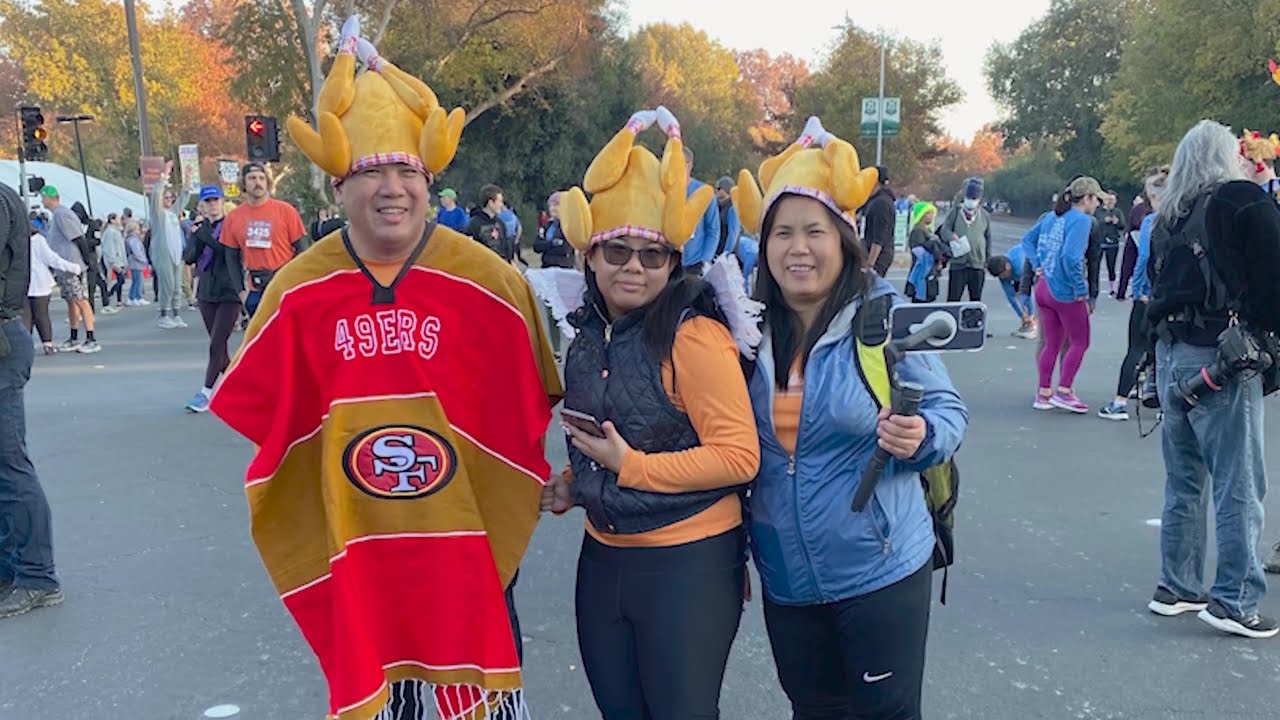
On Thanksgiving morning in Sacramento, some families head out together before anyone sits down to dinner. They walk or run through familiar streets, greet neighbors along the route, and head home to cook. At Run to Feed the Hungry, generations of one family may be on the same course. In the Thanksgiving special, listeners will experience the event through the voices of participants, then we’ll revisit three other conversations about getting food to Sacramento-area neighbors throughout the year.
A tradition worth getting up early for
When Father Dan Madigan and volunteers proposed holding a run on Thanksgiving Day, some people thought no one would come. Blake Young, president and CEO of Sacramento Food Bank & Family Services, recalls that the holiday was precisely the point. The first run took place in 1994. Over time, it became a gathering that draws families, neighborhood teams, coworkers, and people who return to Sacramento for the holiday.
The voices recorded along the route explain how that happens. One participant had done the event with her father for years and decided to come back after some time away. Another group talked about relatives traveling in to join the walk. The route gives people a way to spend part of a holiday centered on food doing something for families who are having a hard time putting meals together.
Groceries a family knows how to use
River City Food Bank Executive Director Amanda McCarthy recalls a family of five who arrived from Afghanistan with little and were referred to the food bank by a resettlement agency. On their first visit, they were unsure what to expect. They found people who spoke Farsi, along with familiar spices, produce, and halal options. They could prepare meals they knew in a place where much else was new.
The family came regularly for a while, then McCarthy stopped seeing them. When she later ran into the oldest son, he said he was taking classes, his father had found work, and his younger sisters were enjoying school. His mother still talked about the food bank and how it had helped the family feel settled. The details of that first visit mattered. Someone could answer their questions in a language they understood, and the groceries were ones they knew how to turn into dinner.
Where food grows and who gets to eat it
The conversation with Yolo Food Bank Executive Director Karen Baker begins with the agricultural abundance right outside the organization’s doors. Yolo County can offer locally grown produce, including the kind of tomatoes served in restaurants. Yet some of the people picking, packing, and processing that food struggle to afford groceries themselves.
Baker describes how the food bank reaches people through several channels. Public distribution sites serve different parts of the county. Volunteers take groceries to the homes of seniors and others who have trouble getting out. A student farmers market sends produce home with children, and culinary education gives students ideas for preparing unfamiliar vegetables. Through its Cultivo program, the food bank also reaches agricultural workers. Each approach starts with a different question about where people already are and what might keep them from getting the food they need.
A grocery store built around choice
Carrie Johnson, executive director of the Rancho Cordova Community Food Hub, looked at the traditional food line from the perspective of someone standing in it. A household might receive items that it already had, could not eat, or did not know how to prepare. Johnson and her team set out to create a no-cost grocery store where people could choose food for their own households.
The conversation also tells the story of Arthur, an experienced truck driver who had been out of work when Johnson met him in the Food Locker line. They talked, she learned about his experience, and when the organization needed a driver, she invited him to interview. He started part-time and became the lead driver. He sometimes brings groceries to homebound seniors through the hub’s Grandma’s Program. He told Johnson those deliveries were the best part of his day.
Johnson also recalls a woman from Ukraine who came for groceries for several months. When she no longer needed the service, she asked to volunteer and eventually joined the staff full-time. As more former guests volunteered, their language skills helped the organization welcome people from across Rancho Cordova.
Back on the Thanksgiving route, the runners and walkers head home when their miles are done. The four conversations follow the work that continues afterward, from getting local produce to a student’s kitchen to delivering groceries to a senior who can’t make it to the store. There are small decisions behind each of those moments about what to stock, where to go, and how to make someone feel welcome. For a family putting dinner together that evening, those decisions are part of what makes the meal possible. Gratitude and appreciation to all this thanksgiving holiday. May you and your family have a wonderful holiday together.
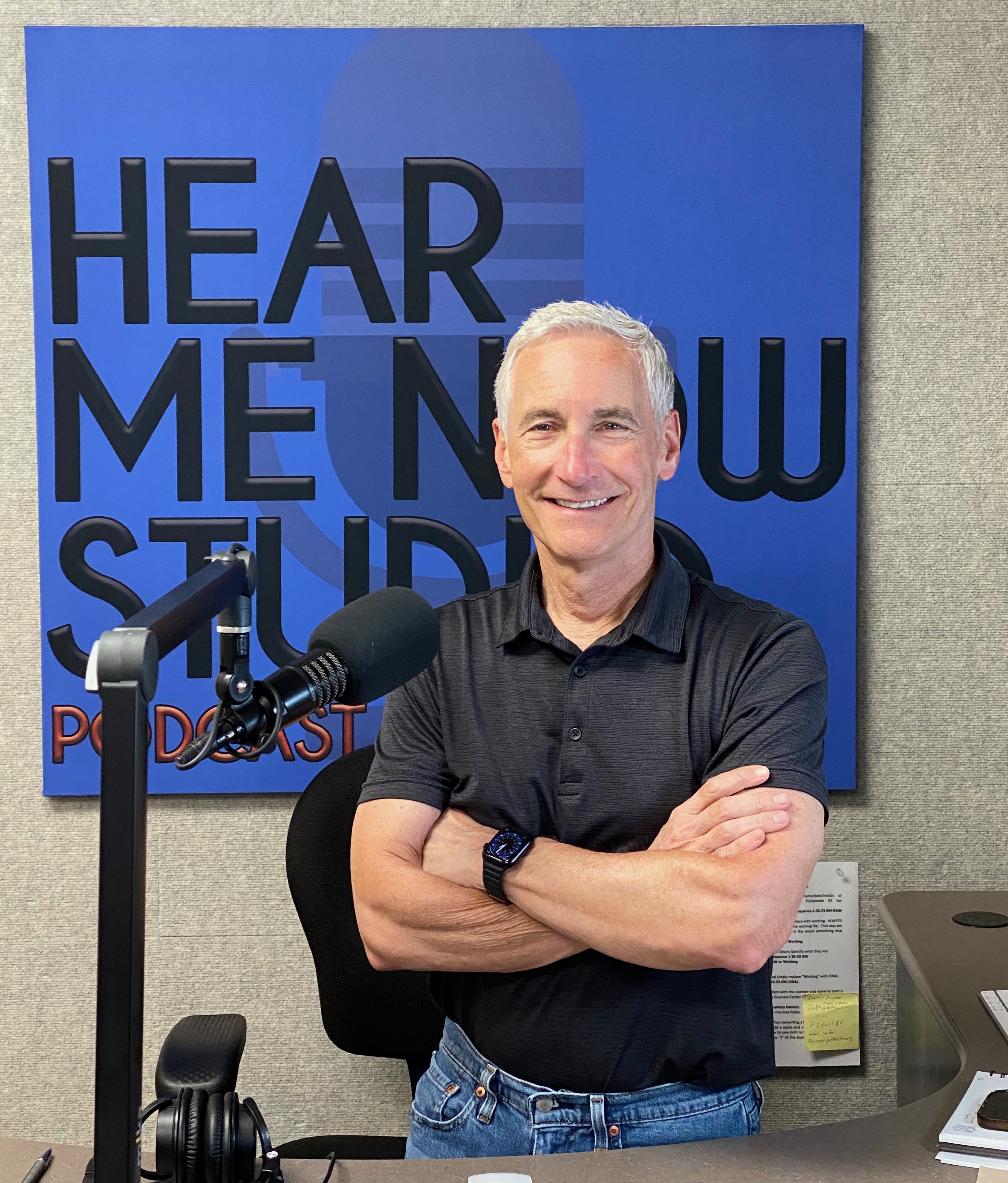
Podcast Host
Broadcaster pro turned podcast leader, Jeff Holden created and hosts “The Non Profit Podcast Network”. A podcast and platform driven by his passion to serve, Jeff aims to revolutionize the way non-profit organizations communicate their stories for the betterment of their organizations.
Jeff made the successful leap from broadcast to digital audio in 2013 founding MultiPoint Content Strategies and Hear Me Now Studio. Under his leadership, these ventures have flourished, producing dozens of programs, increasing brand awareness and financial growth for his clients through authentic storytelling and coaching to directly target each company’s specific niche market.
Included in those programs are the award winning “Financial Sobriety” podcast and his own niche health podcast “Imperfect Heart”.
Join Jeff to learn how non-profits are working to solve seemingly impossible challenges today, and hear stories from the amazing people who are taking charge and leading their teams to accomplish their missions, grow toward their vision, and do it in the realm of their stated values.
When he's not hosting, producing, consulting, or spending time with family, you can likely find your host somewhere in the middle of nowhere practicing his two wheeled therapy peddling a steep climb in the Sierra foothills or on a local river attempting to keep his kayak upright.
When Should a Nonprofit Bring In a Fractional Executive?