
Beyond the Premium: Choosing Health Insurance with Western Health Advantage’s Dr. Khuram Arif
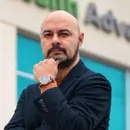
I would love to hear your thoughts on this episode. Please send me a text... This is a Premium Content Episode. What are we actually getting for the money we spend on health insurance? And how much support might we be overlooking? I’m joined by Dr. Khuram Arif, President and CEO of Western Health Advantage, for a conversation about affordability, access, and making more informed healthcare decisions. A pediatrician who practiced for 19 years before moving into health plan leadership, Dr. Ar...


I would love to hear your thoughts on this episode. Please send me a text...
This is a Premium Content Episode.
What are we actually getting for the money we spend on health insurance? And how much support might we be overlooking?
I’m joined by Dr. Khuram Arif, President and CEO of Western Health Advantage, for a conversation about affordability, access, and making more informed healthcare decisions. A pediatrician who practiced for 19 years before moving into health plan leadership, Dr. Arif brings a personal understanding of what patients, families, and physicians need.
We discuss evaluating HMO and PPO options, checking provider networks, and looking beyond the monthly premium. For nonprofit employers, we explore questions to ask brokers and health plans, the importance of supporting employees through coverage changes, and ways to help teams understand and use their benefits.
Dr. Arif also shares how support can extend beyond a doctor’s appointment, including virtual care, nurse advice lines, nutrition coaching, and chronic condition management. His own experience receiving guidance while grocery shopping makes that support especially relatable. A family’s medical emergency overseas and his experience caring for his father-in-law bring the conversation back to something equally important: having a person to turn to when you need help.
Western Health Advantage is a nonprofit health plan and a founding partner of The Nonprofit Podcast Network. I appreciate and I'm grateful for their support of our work helping nonprofits get heard and seen.
Learn more:
Western Health Advantage: https://www.westernhealth.com
Program eligibility, coverage, and costs vary by plan. Check your plan documents for details.
CHAPTERS:
00:00 Introduction and Dr. Khuram Arif’s journey
03:00 Virtual medicine and the affordability challenge
05:00 Western Health Advantage’s nonprofit model
08:00 Member support and care beyond the doctor’s office
15:00 Choosing coverage: HMO vs. PPO and provider networks
19:00 Prescription costs and after-hours care options
21:00 Employee health benefits for nonprofit employers
25:00 Engaging employees in health support programs
29:00 Personal stories: nutrition coaching, travel assistance, and hospice
38:00 Comparing quality, Beyond the Mission, and closing thoughts
Thank you so much for listening to this nonprofit story! We appreciate you. Please visit the website to sign up for our email updates and newsletter. https://www.nonprofpod.com/ And if you like, leave me a voicemail to comment on the program, leave a question for us to ask in the future or a message for me, Jeff Holden. I may even use your voice mail message in a future episode of one of our incredible local nonprofit organizations. https://www.nonprofpod.com/voicemail. Thanks again for your support in listening, commenting and sharing the great work our local nonprofits are accomplishing.
Khuram Arif: [00:00:00] I want a blood pressure monitor sent to my home, and not just that, I also want the coaching services that go with that. I can talk to a nurse at any time outside of office hours if, or a weekend, and get guidance without having to go through the bottleneck of a doctor's visit. And doctors love it because they've got support for their patients, and patients love it because it's convenient to them.
And I think that's what our, our purpose has to be. Let's find solutions that make sense to the people we're trying to serve, not make sense to the company or to the business.
Jeff Holden: Welcome to the Nonprofit Podcast Network. Our purpose and passion are simple: to highlight the incredible nonprofits that make our communities stronger. Each episode is a chance for these organizations to tell their story in their words, sharing not just what they do, but why it matters to the people they serve, to [00:01:00] their supporters, and to all of us who believe in the power of community.
Through podcasting, we hope to amplify their voices, inspire connection, and give them one more tool to impact the hearts of donors, partners, and neighbors alike. This work is made possible through the generous support of our incredible partners, CapTrust, offering fiduciary advice for endowments and foundations.
Western Health Advantage, a local not-for-profit health plan that believes healthcare is more than coverage, it's about caring CORE, executive leadership and comprehensive support services. They work in it so you can work on it. And Five Star Bank, a local trusted advisor to community nonprofits for over 25 years.
When we think about health insurance, we usually ask two questions: What will it cost, and can I keep my doctor? But what about the support we're paying for that we [00:02:00] may never think to use? I'm joined by Dr. Khuram Arif, President and CEO of Western Health Advantage, a nonprofit health plan and one of our founding partners here at the Nonprofit Podcast Network.
After 19 years as a practicing pediatrician, he brings a physician's perspective to helping people navigate their coverage and get the care they need. We explore how individuals, families, and nonprofit employers can make more informed choices, manage costs, and take advantage of services beyond the doctor's office.
From getting nutrition coaching in a grocery aisle to finding help during a medical emergency overseas, Dr. Arif shares what that support can look like in everyday life and in our most vulnerable moments. It's a conversation about understanding your options, asking better questions, and knowing you don't have to figure it
Scott Thomas: out all alone.
Jeff Holden: Health insurance is something we pay for, but we don't always fully [00:03:00] understand. With one of our founding partners being Western Health Advantage and a nonprofit organization, I wanted to explore how we can make more informed choices and better use the care and support available to us. Joining me is Dr.
Khuram Arif, President and CEO of Western Health Advantage. He's a board-certified pediatrician who practiced for 19 years, and he brings both a physician's perspective as well as a passion for helping people take an active role in their healthcare. We'll talk about affordability, access, and what to consider when choosing coverage.
Whether you're a nonprofit leader evaluating employee benefits or making decisions for your own family, this is an important conversation Dr. Karam Arif, welcome to the Nonprofit Podcast Network.
Khuram Arif: Jeff, thank you so much for having me here.
Jeff Holden: I'm so excited because you're one of our founding partners, and you had the foresight to see what the opportunity was to help [00:04:00] nonprofits be discovered and have a voice through the program.
But Western Health Advantage, through its entire life, which we're gonna talk about in a second, has always been extremely philanthropic, extremely involved in the nonprofit community. And for that, I'm, I'm both thankful but also excited to have this conversation. Before we get there, let's talk a little bit about you.
You have an interesting journey. You were a, a pediatrician practicing for 19 years. Next thing you know- Yeah ... here you are with Western Health as president and CEO following the founder, which is no small feat.
Khuram Arif: It's a huge privilege and an honor.
Jeff Holden: Tell us how you got here.
Khuram Arif: I think it's, uh, serendipitous. So I am from Pakistan originally.
My, my dad's a pediatrician, and I sort of loved, as a young man, going to his office and seeing all the kids tumbling, and the parents, and the noise, and the hubbub. And so I chose pediatrics as my, as my profession, and spent all the time, you know, [00:05:00] doing the undergrad and all that. I came here to the States in the 1990s for my pediatric residency, which I did the- on the East Coast, and met my lovely wife, who 26 years later has followed me from the East Coast, from her native New York, all the way here to California.
And then along the way, you know, as I was practicing, I thought that how, you know, cool would it be if a physician could help inform how health insurance should work. And, you know, health insurances, their, their job really, I see it, a- and our, and our company, Western Health Advantage, sees it as supporting the practice of medicine.
You know, we, we help finance, but the financing's really to support the practice of medicine. And so that was my main drive in, um, moving on to the business side. And, you know, after s- a long stint at Mercy Medical Group and then at Woodland Clinic as their chief medical officer, I found myself at Western Health Advantage six years ago, a month before the pandemic started.
Jeff Holden: Oh my gosh.
Khuram Arif: And our founder jokes and says, "Khuram, you joined us, and then the pandemic [00:06:00] happened. Like, what did you bring?"
Jeff Holden: And, and that's... I mean, that was significant in terms of not only its, its impact on business, of which you are certainly a big business, but secondarily, you're in the healthcare business.
This healthcare concerns of, "What is this pandemic? What is this, this disease? What's happening?" Yeah. "We don't know." And boy, we'd never had to insure anything like this. I, I would imagine there was some concern about where do we go from here.
Khuram Arif: It was a completely new problem to, to try and solve, and to try and figure out how do you get services to, um, to folks when they, you know, it's dangerous for them to come in to the office.
How do you do that? And I think the biggest and the most dramatic positive and silver lining, I would say, of the pandemic is it completely changed the culture of both our members, our patients, as well as our doctors in terms of, you know, opening the mind to say, "Well, we can use virtual medicine."
Darrell Teat: Mm-hmm.
Khuram Arif: Virtual medicine was there, you know, 15 years before the pandemic but didn't really have an uptick. But that was our [00:07:00] fallback, and overnight, the industry changed, and people changed their approach to this as did physicians. And I think it's a, it's a testament to the flexibility of the human spirit that you can figure out how to survive and thrive even when, when there are difficult, you know, challenges ahead of you.
And I think that's what sort of keeps me up at night, is the pandemic's behind us. What's ahead of us and what we're in right now is the affordability crisis, and how can we Health insurance system that is, you know, that is sponsored by health systems and hospitals, a nonprofit that's not really beholden to Wall Street shareholders.
How can we be- being so close to the action of providing healthcare, how can we find affordability? What are the things that we can do? Understanding that a lot of affordability is due to external pressures, cost pressures on this environment, those of us who function in it, we can't give up, right? If we can't figure it out, who will?
Jeff Holden: Mm-hmm.
Khuram Arif: So that, that, that's our mission. That's our job.
Jeff Holden: And [00:08:00] we're gonna get into some of those elements of, of affordability in, in just a minute. Tell us a little bit about Western Health Advantage. It's over 30 years old.
Khuram Arif: Right.
Jeff Holden: It originated right here in Sacramento, and I think while people maybe are familiar with the brand, with the name, they don't understand the nuance behind it.
What
Khuram Arif: is it? Yeah.
Jeff Holden: Yes.
Khuram Arif: Yeah. So Western Health Advantage was-- came to life in 1996 in Sacramento, and we had three health systems at that time: Dignity Health system, which is the Mercy Hospital system here in Sacramento and Woodland; NorthBay Healthcare, which is in Solano County; and at the time, UC Davis as well was our, was our third partner.
We sort of came together, and the, the whole mission and the whole kind of vision in, in s- creating a health plan that's sponsored by health systems. When you're a community health plan and you're sponsored by a health system, you know, all the revenue that you're making and whatever, you know, net profit that you're keeping, the surplus, so to speak, it goes back [00:09:00] into the health systems in that community, and that's a very, very different model from what the national carriers will do, right?
The national carriers are for-profit companies in most cases, and, and while certainly they support their own health systems as well, the, the mission is very different when you're a nonprofit and you're sponsored by your own health system. It's a much more direct way to support your own community. And I think the value-- I mean, you know, when you say that this-- that Western Health Advantage has been here for 30 years, for me, even though I joined them six years ago as their chief medical officer, as a pediatrician practicing in the community, I knew of Western Health Advantage a long, long, long time ago.
I practiced down in Elk Grove for a long time, and I remember, you know, we would talk-- Our patients would ask us, "Doc, you know, what, what, what health plan should I choose? Open enrollment's coming up." And I used to think to myself that I really like Western Health Advantage because, you know, they've got that, that provider mission, the, the clinical mission, so much governance that are provided by doctors.
They're much closer to understanding what is life like for a [00:10:00] physician- Mm-hmm ... trying to practice medicine. What is life like for the patients trying to get healthcare? And so having a health insurance plan that tries to fit those needs, understands the needs dynamically, and tries to fit them, that's what was very attractive to me about Western Health Advantage during practice, and then it became a dream for me when I was like, "Well, I'd love to, like, join the company at some point," and, you know, 20 years later, after that dream, it, it sort of came true.
Jeff Holden: That's pretty amazing to think that the concern was there from the patient perspective because today, and we hear the stories, they're, they're nightmares, and- Yes ... there's really not the consideration. Y-yeah, maybe for the healthcare of the patient, it's there, and the doctors are practicing to that extent, but when it gets back to the back end and the insurance and everything, it's like that, that becomes a significant challenge for a lot of people.
Khuram Arif: Yeah, Jeff, and if I can, if I can pick that up, I don't, I don't know if folks really understand what does a health insurance company do- Mm-hmm ... other than charge rates and say no to stuff? Like, what does, what do they really do? [00:11:00] A health insurance plan that's set up to support, you know, the practice of medicine, li- like Western Health Advantage, our mission is to help the patient in any friction that they're gonna encounter.
We know that all systems have some level of friction in them. So as a health plan, our mission is, you know, have the ability to, you know, pick up that phone call within 30 seconds when the member's calling you for help, try and complete their, their issue and resolve their problem with that first phone call.
At the first phone call, 85% of the time is our target. We tend to hit 85% to 90% most months. And so what goes into that? What goes into that is humanity, all right? Like health plans, you know, we, you know, the health insurance industry has a bad rap. We, we know that. There's a lot of rage out there in, in the public in terms of, well, the cost is so high, I don't get what I really need.
I'm paying into this, and it's a, it's kind of a bait-and-switch approach is the general, uh, perception. Our mission is to be a different health plan. We want people to feel the difference, and we're not the [00:12:00] only one. There's, there's lots of regional health plans all across the country that are owned or, you know, supported by health systems, and the mission's very different.
The mission is support the health system. That means, you know, when you're looking for physicians that you need in the community, who do you recruit? We're able to offer that information to the health systems. We're seeing there's a bottleneck here. If you're gonna stand up a residency program like Mercy San Juan just stand up-- stood up a internal medicine residency program, how can we support that to, to bring doctors into our community?
That's a lot of what we do.
Jeff Holden: And you see it from a different perspective. The healthcare provider will actually see it on demand to the individual. You see it from an outside perspective where the demand may be greater than they can service, so they just know that it's, it, it is a high demand. But you see it in, in its full capacity of what's happening in a community-
Scott Thomas: Yeah
Jeff Holden: to where you can address it with the provider and say, "Hey, we need more doctors in this particular field," or, "We need more help in this particular [00:13:00] area," which surely as somebody who just somewhat takes their health insurance for granted. You have it and you don't worry about it until you need it. Yeah.
You don't realize that there's a lot going on behind it for the community benefit.
Khuram Arif: Yeah, and you know, physicians, their primary job is to see patients who come in the office and manage their care, right? But a lot of care can happen at home that a patient can drive, a member can drive themselves with the, with the guidance of a physician.
So what doctors need to support their practice, they need, they need amazing programs. They need to know that, hey, if I'm seeing this patient with type 2 diabetes, I can refer them to a disease management program where they can help to-- for instance, we have Virta Health. We work with them very closely to get people onto, you know, ketogenic or Mediterranean diets and get them through a process where they can, over time, start to drop their, their blood sugar levels and start to come off diabetes medications.
And physicians need to know that there's a place where they can bring-- they can refer their patients for ongoing continuous [00:14:00] care, which then feeds back to when the patient comes back in for their follow-up with the same doctor. They've gotten a lot of care that the doctor could not provide because the doctor- Mm-hmm
is not in front of the patient all the time, and that's a lot of what health plans can do. You know, when you've got programs for obesity or hypertension management, and you can-- when you integrate it with the physicians the way that, that we are in, the, the way that we are designed, we know doctors will ask us, "How come we don't have a way to provide cover nutritional services for people who are putting weight on?
Why do we wait till they get to the point of gastric bypass surgery?" This was a conversation we had at, at a Mercy Medical Group board meeting about five years ago, and that led to the idea we need to create nutritional coverage. And so we went to the Department of Managed Healthcare. We spent a year and a half with them.
We created a brand-new benefit that, as of this date, no other health plan in California has, and it came from the doctors telling us, "What do you need? Here's what we need. Can you create the solution for us?" So that is, is the job. Mm-hmm. We have to support the practice of medicine. [00:15:00] That's the job.
Jeff Holden: And the beauty of that too is it's now, it's proactive and it's preventative versus reactive when it's too late.
Khuram Arif: Exactly, and I think that's a, a big message for, for patients and for our community out there is whatever health insurance plan you sign up with, right? And there's, there's lots of good health insurance plans. They're very closely regulated. Their job is to provide care. A lot of plans, ours is definitely highly differentiated on this, provide a lot of services that are available to the, to the patient without having to go to the doctor.
We do a lot of our, like, you know, a lot of our disease management programs don't require a prior authorization, don't require a copay. A patient can go onto our website and say, "Okay, I've got hypertension." I want a blood pressure monitor sent to my home, and not just that, I also want the coaching services that go with that.
Mm-hmm. So if my blood pressure's going up or down, I can talk to a nurse at any time outside of office hours if, or a weekend, and get guidance without having to [00:16:00] go through the bottleneck of a doctor's visit. And doctors love it because they've got support for their patients, and patients love it because it's convenient to them.
And I think that's what our, our purpose has to be. Let's find solutions that make sense to the people we're trying to serve, not make sense to the company or to the business.
Jeff Holden: And I think most people, they want to be well. And for whatever reasons, you know, they drift off into, you know, some bad habits, and the next thing you know, they've got a problem.
You're correcting that and bringing them back. And- Right ... and, and certainly When you're well and feeling better, you can do more, and you're more engaged- Yeah ... and you think differently. And I, I recognize that as a, you know, as a, an expectation in some cases. You go to the doctor, "I don't feel well. Make me feel well."
Well, sometimes there's, it, it, it's a give and take too. Y- you-- I can't just make you feel well. There's, there's some things you need to do.
Khuram Arif: Yep.
Jeff Holden: And here, there's no obstacle in the [00:17:00] way of understanding what it is. Exactly. You're providing it all the time.
Khuram Arif: Exactly. It's all about empowering the patient, right?
I think that all of us, I mean, people have jobs, people take care of their kids, they pay their bills. People know how to take care of their lives.
Jeff Holden: Right.
Khuram Arif: We have to empower them. We have to remove the hurdles, and often it's, you know, the iss- the hurdle is, sometimes the hurdle is lack of awareness.
Jeff Holden: Right.
Khuram Arif: You know, not everybody wants to pick up the newsletter that, that comes to them from their health plan. You know, we send out a newsletter every, every quarter. We've got our, you know, our clinical people, our pharmacy folks, our, our, our chief medical officer, the appeals and grievances. We have so much information in there, you know, that nowadays with QR codes and stuff, you read a nice article, you get pointed to, hey, this is a great service, you know.
For instance- Right ... urgent care. We work with Teladoc for urgent care 24/7. You've got-- You can get the app for that off the QR code, read the article, get the app, and now you're empowered, right? Making that connection, you know, you know, encouraging [00:18:00] people to find the time to do that work and make that connection then supports their long-term self-empowerment, and that's what we're trying to kind of, you know, crack the, crack the, that little code.
How do you make it so that patients feel that this health plan is really doing something for me? Let me pay attention. Perhaps I'll get something out of it for myself. And, you know, can we replace the cynicism with some hope?
Jeff Holden: Mm-hmm. Uh, that's a key word, hope, in everything in so many different ways. As a insured individual, one of the things that we go through is obviously with open enrollment- Right
and we have to make a decision. And really, as, as you're stating it, the two things that we care about are affordability and access, not necessarily in that order, depending on where you are in- Right ... the cycle of health. Tell us a little bit about some of the things we should be asking as, you know, individuals and/or businesses for our healthcare plans, 'cause we do eventually have a [00:19:00] choice and a decision to make.
What are some of those- elements that are, are significant to be questioning.
Khuram Arif: I think when you're trying to make a choice as to which health plan to go with, from the affordability perspective, people are looking at their rates, right? And certainly, you know, if you are a-an employee working through, through a business that's offering you health insurance, you've got these two simple choices of an HMO versus a PPO, right?
And honestly, sometimes you have to read a textbook to understand what these, what these acronyms mean. But an HMO, which is a health maintenance organization, basically is gonna be your, your lowest cost. The PPO is, is gonna be the higher cost. The PPO gives you the flexibility to go anywhere. So for instance, you know, you can be associated with one health system, let's say it's, it's Dignity Health, but you've got a specialty care and you feel like, "Okay, I need to have access to, let's say, UC Davis as well."
If you're the kind of patient who has some significant chronic diseases where you do need to get academic medicine, university medicine, you will spend more money because you want to, you [00:20:00] want to sort of give yourself more options. But the vast majority of people do not need to do that. You know, if you can research your own health system...
For instance, let's suppose your problem is that you have, let's say, multiple sclerosis or- Mm-hmm ... rheumatoid arthritis. These are significant chronic conditions which need real high-level specialty medicine. If those physicians who practice in that specialty are available to you in the network that you can buy through an HMO rate, go for it.
You know, in other words, you can save the cost and also get the care you need by staying inside your network, and that requires some shopping and some research, right? When you're trying to decide, "Well, let me look at this medical group's doctors. Let me go and search for a rheumatoid specialist." If that doctor is there, then your care can be provided inside the, that network.
You don't have to go outside the network, and so you don't have to incur that, that, that high PPO cost. So not everyone needs Cadillac plans, right? You have to sort of-- Just like you do in your own house, right? You could drive a Lexus or you could drive a [00:21:00] Prius They'll both get you somewhere. It just depends upon what you need and what sort of meets your budget and what your requirements are.
Jeff Holden: Mm-hmm. Is there a common mistake that you see people make that they didn't really need to do this or they didn't need to do that in the evaluation process?
Khuram Arif: I think it's not so much mistakes. I mean, like I said, th- this is such a confusing area to kind of try and research. I think it's very helpful to get-- It does help to talk to your physician about which health insurance do you like to work with as a, as a doctor.
Because that gives you a sense of which health insurance... You know, doctors don't like health insurance.
Jeff Holden: Right. Right.
Khuram Arif: They just don't, you know? So if they tell you, "Hey, this plan-"
Jeff Holden: Process, paperwork.
Khuram Arif: It's not what they do. Right. Right. All of that stuff, right? So if they tell you, "Hey, this is a plan that seems to be pretty easy to work with.
I like the services that they offer to my patients," that's so... You know, that word of mouth is very helpful. Talking to your friends is very helpful as well. But then really looking at the HMO and the PPO and those rates and trying to make a decision, "Hey, what do I need to pay for my family [00:22:00] to get, to get care?"
You know, if you have somebody who is... You know, you've got a 26-year-old at home, they're coming off your insurance, now they have to buy their own insurance, steer them to, you know, Covered California. It has some amazing plans in place for individuals. Young people, you know, let's say you're 26, you don't, you probably, you know, don't have a lot of health insurance needs.
You don't need to spend the money on the PPO. You can go with a Covered California plan and save yourself some dollars. And then there are other things. For instance, in the pharmacy side, people don't realize that if you, that for in most cases, if you switch your medications to a mail order pharmacy, you can save substantial on the cost.
This didn't used to be such a big savings 10 years ago, but now with the cost of specialty medications, the cost differential between a retail pharmacy or, you know, your retail brick and mortar shop and mail order is significant. So making those decision points at each point is important. And then the other piece is what happens when things go bump in the night, right?
Mm-hmm. People, you know, folks get, get, you know, upset, they're worried, they're afraid, [00:23:00] and often the knee-jerk reaction is, "Let me go to the emergency department," right? In a lot of emergency departments, you might be waiting for, waiting for five, six, seven hours. I was recently talking to a friend who was wait- waiting at an ER for 12 hours.
But could you avoid that by calling... Like, if you have a nurse triage service, like we have a twenty-four/seven nurse line available, they can help you decide, do you really need to go in tonight? Do you need to-- could you go to the urgent care? And if it's an urgent care visit and it's, you know, midnight and the urgent care is all closed, well, can you talk, can you get virtual urgent care- Mm
through your health plan? And so, you know, that's the way that, that you have to be so smart, you know, as you're making these decisions on the fly. The shopping piece is the first, it's just the first piece. What plan? How much do I pay? But then going forward, how do you maintain and control costs? It's all about being smart at every different point when you're seeking healthcare.
Jeff Holden: Something we talked about in our pre-call conversation that I thought was really, really valuable that you mentioned As a business owner, [00:24:00] you have your insurance costs.
Khuram Arif: Yes.
Jeff Holden: And they tend to go up year after year after year, and as a result of that, you know, the employees bear some of the burden too because it's typically shared.
But there are ways to reverse that cycle Talk a little bit about that because I think every business owner would be going, and, and by business owner, I wanna include nonprofits too, because-
Khuram Arif: Yep ...
Jeff Holden: same situa-- they are business owners. How do we look at that from a perspective? What, really, we can do something?
What can we do?
Khuram Arif: Yeah. So, you know, this is such an important problem to try and tackle, right? Because employers, they-- the cost of healthcare is, is sort of like a fixed cost. They have to provide that, that healthcare coverage, as well as try and run their business, and if that healthcare cost is going up every year, let's say 10%, 15% on average, that becomes a substantial burden.
That means that you have to grow your business by X more to cover just that, that ongoing cost trend. That's where I think from the employer perspective, really, really [00:25:00] understanding, you know, do I have to offer a PPO to all of my employees? Can I offer an HMO and meet the, the needs of, let's say, 85% of my employees?
That, that's one thing to consider. Let's suppose you're a nonprofit and you have, let's say you have 50 employees, which is a pretty big nonprofit, right? Yes. We live in the nonprofit world. We understand that's a pretty big nonprofit. But if those 50 employees have three options to choose from for health insurance, let's suppose they've got, you know, health plan A, health plan B, health plan C, now each of those health plans gets a portion.
They get a third of those 50 employees, let's say, right? You are giving up the value of scale. If you were to consolidate all of that with one plan, the, the plan that you like the best, but you consolidate all that, that's a way to save cost. People are afraid to consolidate, right? Because as an employer, your employees, they've got their relationships with their doctors.
They've got their relationships with their respective health systems. It is a painful process to move from ask all of your employees, "Hey, as of next year, costs are going too much. [00:26:00] We want you to all get health insurance from just this one, from this one health plan." That is a painful process. But once...
It's, it's a hurdle. Once you've done it once, then people get used to the new normal. And how do you reduce the pain and you reduce the friction? By working with a, with a health plan that can provide you that support that you need. You know, for instance, what kind of support can a health plan provide for an employer who's considering moving all their employees into one plan, right?
Can that plan do hand-holding for the, for those employees and is helping them get assigned to a new doctor, being able to help them get oriented to their new health system, help them with those pharmacy refills that they will need while they're waiting for the new doctor appointment to show up? That kind of onboarding can be done.
Jeff Holden: Mm-hmm.
Khuram Arif: We do it. We, we began this as a pilot, you know, two and a half, three years ago, and at this point, all of our medical groups, they onboard all of our new members. If, for instance, we bring a large employer on board, you know, off cycle, off the, off the normal cycle, we will [00:27:00] actively work with that medical group who is getting those, those employees, as well as with the employer- To help do the handholding.
So that piece is a really critical thing. Employers need to ask their brokers who help them shop for health insurance, "Hey, fine, if I make this change, it'll help the business, it'll save costs, it'll keep my-- most of my employees will be happy with the change once they've gotten through the hump. How will you help me through the change?"
Mm-hmm. "What will you do? Demonstrate what you will do." I think that's a really important question to be asking, and then things like pharmacy costs, you know. You know, what, what kind of benefits do I have? For instance, if your ER copay is $50, which is a very low ER copay, you will find that a lot of people will go to the emergency room.
If it's a little bit higher, and you are educating your employees as to, hey, you know, the copay's a bit high if you go to the ER. Here's your other options. You know, download the app for the urgent cares. Download the app for after-hour, for, like, the nurse li- the nurse line service. Avoid ED because the more that, you know, let's say 50 people are using the ER all the [00:28:00] time, those 50 people will see a higher rate next year.
Mm-hmm. It has to be, we need to work collectively for the good of the community, and that means everybody's gotta be at the table, which means employers have to activate their employees and help us engage them as a team effort in helping to reduce costs, but still pre- keeping the quality of care high.
Jeff Holden: A- and I recall in, in the conversation too, there was something that you can actually approach the employees and say- If we have a high incidence of, let's say, diabetes in, in the organization, what can we do to minimize that?
Because it's collective, and if those people who are maybe the biggest strain, let's say, in the organization get healthier, and you can start to minimize some of that, that extremism of whether it be diabetes, it's obesity, if it's heart conditions, whatever it may be, then the cost will go down for the employer as well.
Khuram Arif: Yes, and I think this goes to the f- to the point that affordability [00:29:00] requires a team approach. Mm-hmm. The team here is the health plan, the health system, the employer, and the employee- Individual, yeah ... and then the employee's family. You know, like that's a team approach, right? And so an employer that is able to see reports of, okay, I have 1,000 employees.
We've got about, you know, 100 people with diabetes. Out of those 100 people, none of them are enrolled in this diabetes management program. They've got their doctor's appointments and all that going, but they're not really enrolled in a comprehensive diabetes management program. Let's put the program in front of the employees, give them educational awareness, help them enroll.
Like, how can we assist? Okay, if I have another bucket of patients with high blood pressure, can we get them into a high blood pressure program? If we have a cohort of folks that tend to use the emergency department all the time, is it because they don't have a primary care physician assigned? Can we assign them primary care physicians?
Can we make sure, you know, something as simple as let's get the employees correct phone numbers, so when we get the eligibility- Hmm ... file, the membership roll from the employer saying, [00:30:00] "Here's my employees that you're insuring," if you don't have the correct cell phone numbers and we're trying to text the m- the, the member during an acute care, right?
A member is-- We, we see a member going to the emergency department one time. That's fine. That's what they need to do. They need to get care for themselves in, on the spot. But then can we give them some education as to their alternatives? And to do that, nowadays everybody uses the phone, right? If you don't have the correct phone number on file, you know, in a lot of cases, you know, 50% of your numbers are correct.
Mm-hmm. That kind of, like, basic stuff, it seems like so easy and simple, but if I can get an employer to tell me, "Yes, Khurram, I commit 95% of the phone numbers you'll get on the file will be correct," that's the HR and benefit shop for that employer doing that work to enable us to do our work. So that's...
There's, there's so much opportunity in partnerships.
Jeff Holden: Right, and, and you're gonna have healthier employees who are gonna feel better. Their at-work performance is going to improve, and their time off for health issues is going to be reduced as well.
Khuram Arif: Right.
Jeff Holden: All of that while reducing the cost to the [00:31:00] individual in the organization as well.
Khuram Arif: Yeah, I think it's all about not feeling so alone anymore.
Jeff Holden: Mm-hmm.
Khuram Arif: Right? I mean, we, we... This world is so tough, right? We have tough days, and we have, we have a very tough, you know, circumstances that, that hit all of us. In the middle of all of that, you're trying to swim upstream. What if you were on a boat and everybody was rowing the same direction as you?
And that's what it's all about. You know, look for a health plan that you feel is doing good out there, whether it's good in the community, it's doing good for your, your, your family, your friends, your neighbors. And try and work... like, try and sort of, you know, activate also yourself. What can I get out of all this money I'm paying into my premium?
Jeff Holden: Mm-hmm.
Khuram Arif: Am I paying just for a doctor's visit when I need it? No. That's the, that's the basic. What else can I get? And there's a lot built into the, into the chassis. Yeah.
Jeff Holden: We'll be back with more from Dr. Khurram Arif of Western Health Advantage right after we hear from those who make our program possible.
James Beckwith: I'm James Beckwith, president and CEO [00:32:00] of Five Star Bank. We're dedicated to supporting nonprofit organizations who advocate for the strength, resilience, and vitality of those they serve. When nonprofit organizations thrive, our community does too. By supporting the Nonprofit Podcast Network, Five Star Bank is amplifying the voices and meaningful impact of our nonprofit community.
We're Five Star Bank, a trusted nonprofit partner. How can we help you?
Darrell Teat: Hi, I'm Derrell Tate, CEO of Core. Every organization needs strong support behind the scenes, but building out finance, HR, technology, and administrative functions internally can be expensive and time-consuming. At Core, we provide back office support that helps organizations operate more efficiently without having to build every function from scratch.
That means your leadership team can spend more time focusing on growth, mission, and the people you [00:33:00] serve. You get to work on the business, not in the business. If your back office could use more support, let's have a conversation. Visit C-X-O-R-E.com. That's core.com.
Scott Thomas: Hello, this is Scott Thomas with CapTrust in our Sacramento office.
I specialize in working with local nonprofits and associations. Annually, we survey private and public nonprofit organizations across the country to better understand challenges they see in today's environment. In our more recent survey, we heard concerns about proper board governance, mission-aligned investment, and how to implement alternate investments.
If you would like a copy of the survey or to discuss your organization, look me up, scottthomas@captrust.com.
Western Health Advantage: Health care can feel complicated, sometimes even a little impersonal. At Western Health Advantage, we believe it should feel different. We're local, built for Northern California, and guided [00:34:00] by doctors.
As a nonprofit health plan, we share your commitment to giving back. We support organizations like the American Heart Association, Sacramento Ballet, and the Crocker Art Museum, helping strengthen the communities we call home. You make a difference every day. Your team deserves a health plan that understands the purpose behind your work, with flexible coverage options and local support that put members first.
Because healthcare isn't just about plans and paperwork, it's about people. And when your health plan understands that, you can feel the difference. Discover Western Health Advantage. Visit westernhealth.com.
Jeff Holden: Y- you mentioned early on in the conversation the, you know, the significance of service, and, you know, Western Health as a service provider, we had some interesting conversation about just the novelty of how far it would go.
And, and there was a grocery store example. Yeah. You know- Yeah. You know which one I'm speaking of?
Khuram Arif: I do remember. Share that. Thanks for reminding [00:35:00] me. Yes, we, um... You know, so for instance, one of our programs is, is designed to help people reverse type 2 diabetes. I'm gonna say that a second time because whoever knew that diabetes, type 2 diabetes could be reversed?
If you start to, you know, if you get on a diet like a ketogenic diet or a diet which is Mediterranean type of a diet, which is basically your focus is to decrease the carbs, what happens medically is over time, you start to-- those high blood glucose levels start to drop. And as they start to drop, you can decrease the dose of your medication and eventually come off medication.
We have about 500 people enrolled in a program like that. Anyway, so the story here is that at one point in my own life, I was getting to the point where I was pre-diabetic, and, you know, I was very worried because it runs in my family.
Jeff Holden: For, for-- If you're not watching and you're just listening And Dr. Arif is, is a small gentleman.
He's not the, he's not heavy. Yes.
Khuram Arif: I
Jeff Holden: am small. You know, he, he... Well, a- I mean, you would think people tend to associate this with, you know, obesity.
Khuram Arif: Right.
Jeff Holden: And you're
Khuram Arif: anything- A lot of it's genetics, yeah ...
Jeff Holden: anything but, right.
Khuram Arif: Yeah, yeah. [00:36:00] And so this was a program that we were, we were looking at, uh, this Virta Health Type 2 Diabetes Reversal Program to bring in-house for all of our members.
And they said, "Hey, doc, you know, as you're trying to evaluate it, you know, if you are interested, we can give you the member experience." And I said, "Well, it turns out I'm pre-diabetic. If you let me, I'd like to try the program as a patient." Anyway, long story short, I remember being in Raley's and, you know, again, I was being supported to get on a ketogenic diet, and I'm horrible at ketogenic diet.
I love my bread- ... and my rice and my rotis and my, you know, all of that stuff. Pastas. My potatoes, and my, my wife's Italian, so if you don't eat your pasta- Oh, my gosh ... you're in big trouble. Right. So I actually had to talk to her, and I had to tell her, "Honey, I'll, you'll be re- I'll be reducing my portions.
It's not because I don't like the pesto. I just need to, like, eat less." So I'm in Raley's trying to shop for my typical, you know, Hot Flamin' Hot Cheetos, and I texted the, the, the, the coach that came with this program. And I asked her, I said, "Look, I'm on this ketogenic diet. You know, I wanna buy chips. I like spicy stuff.
What should I get? Is that okay?" She was like, "Look, [00:37:00] don't buy the chips. Buy the habanero almonds because almonds are good for you. It'll give you your spice. It'll give you that crunchy snack." And I was able to get the information as I was circulating in Raley's because I was already enrolled in the program.
They had all my profile. They knew what my blood glucose was. And every day, I was able to check my blood glucose level and my ketone levels in the morning. And if the night before I had cheated and had, like, a big dollop of, you know, a chocolate cake or whatever, my blood glucose was up and my ketones were up the next morning.
And so there was an immediate reinforcing thing to me as a patient saying, "Okay, tonight I'm not gonna do the chocolate cake 'cause tomorrow morning I want my blood glucose levels to be normal." That kind of... You know, you can, with the technology that we have now, you can empower a patient so, you know, in such a strong fashion, and that is what we want patients to be able to do, is feel not helpless.
Mm-hmm. Feel empowered.
Jeff Holden: There was another example you had given. You know, a lot of people travel, and, you know, they, whether they go out of town or out of the country, and that was another [00:38:00] situation.
Khuram Arif: Yeah.
Jeff Holden: This time it wasn't you. It was an, an individual who had an issue, and they were abroad. And still the health insurance was able to support them.
Khuram Arif: Mm-hmm. Yes, and you know, you know, when you go off on vacation, finally you get to vacation, right? You're like, "Oh, thank God I don't have to think about work. I can relax." And then somebody has a, an acute event that lands them in a hospital in a foreign country. Perhaps you don't even speak the language. It is incredibly sca- It's, it's disorienting enough to get admitted- Mm
to the hospital here in your native country, but you can imagine how disorienting it is. One of the services we offer, it works with, we work with an amazing company, Assist America. We've worked with them for so long. They offer help when you're, when you are, you know, if you're traveling out of your city, 100 miles out, that's where the coverage sort of starts, where the, where their services start, including international.
You're admitted to a hospital. One, first of all, for anybody hearing this, you know, call your [00:39:00] health plan. Let them know that you've been admitted so that the health plan often has nurses that will actually interface with the hospital. Mm. At the point that you're medically stable, they will help to repatriate you, transport you back and home.
We use Assist America to help us with this, and we recently had a story where this, you know, this, this family was traveling, and one of the family members got sick with an acute event, a life-threatening event that landed them in the hospital. Thank goodness they, they stabilized, but then it was about, when do I get my family member back home, and how do I do that?
And this, this patient called our member services team, and I'm so grateful for the people who work with us, you know, work at our company, because they're mission driven. You know, nonprofits don't pay a ton of money and, you know, we're not all driving Audis out there, you know?
Jeff Holden: Right. Right.
Khuram Arif: They're mission driven, and so this particular member services, um, team member took it upon themselves to not just, you know, provide that, make that initial connection so the patient could get the help that they needed, but cont- continue to follow up with this patient, right?
Now, this [00:40:00] is all happening behind the scenes. This is like the day-to-day life in our, in our health plan. Anyway, a month or two after this incident, kind of, you know, this episode happened, this patient comes in with bagels for the member services team because they were so grateful for, for the help that they got, and, you know, we of course h- that's when we heard about it, right?
The, the, the leadership heard about it, and sure enough, there was these emails going around for like a whole day with this, got circulated to everybody saying, "Thank you so much for, you know, going over and above. This is the spirit that we wanna see for, for all of our folks." And what an amazing, you know, warm f- feeling of support we provided for that family in their hour of need.
That is why we are here. If we can do, get that done every day, I would be so grateful for that. But if we can get it done at any point, even that's good enough. So let's, that, that's what, what we wanna try and do.
Jeff Holden: Yeah, that high percentage of incidents of ease, because there's so many things, y- you worry about your health when, especially if it's significant.
That's all you can think about.
Khuram Arif: Yeah.
Jeff Holden: And the [00:41:00] less that you have to worry- about all the other pieces, whether it be you or a significant other or the family, whoever's caring for you, the better. Yeah. And I think we all want that.
Khuram Arif: Well, you know, somebody to talk to, somebody to help me. I'm done with the phones.
I'm done with the electronics. I don't wanna talk to a bot. I wanna talk to a human who'll tell me, "Okay, Mrs. So-and-So, here's what's happened so far. Here's what's gonna happen next." You know, that's-- it's all about-- I mean, health, you know, delivering, you know, healing is an art. It's an art supported by science, but it is an art, and the art is all about the humanity and the touch.
I'll just share a sto- a story with you. My father-in-law lives at home with us for seventeen years, and he passed away at the age of ninety-six a few years ago. And towards the end of his life, you know, he had severe dementia, and at a certain point, he was on hospice. He was end of life. He needed hospice care.
And even though I'm a physician, my wife's a psychologist, we're both in the healthcare field, it was amazing to us to be able to call the hospice nurse to come in and help [00:42:00] us when he was actually dying. And even in the, the month or two months prior, if he was having significant pain, he needed help with the wheelchair, you know, those types of things, it's such a comfort to be able to talk to somebody whom you can say, "Okay, they're here to help me."
Darrell Teat: Mm-hmm.
Khuram Arif: They don't have very-- have an ulterior motive. And that's what I find so deeply humbling about people who work in healthcare, right? Physicians, nurses, nurse practitioners, pharmacists, the medical assistants, these folks are called to this mission. They're called to, to, to help with, with healthcare and healing, but it can be difficult to get in to see them.
So our job is to help with improving the access and to talk to our, our, our, uh, our f- our providers, our hospitals about team-based care and those ways that we can support members. Even though there's a national shortage of physicians, we can work as teams to help reduce the national shortage, uh, and to give support to our patients.
Jeff Holden: As people look to make this decision, is there anything that you would encourage them to do to say, [00:43:00] "Here, these are a couple of key things that you should be doing as you're evaluating in this process"?
Khuram Arif: Yeah.
Jeff Holden: And, and I love those examples that you just gave, e-especially the personal one, because that's-- You gave two.
The, you know, the, you shared a little bit of your story in, in the grocery store, but as well as your, your family one. Because we, we're all dealing with that at this point. Many, many people have an aging parent.
Khuram Arif: Yes, and kids.
Jeff Holden: And kids.
Khuram Arif: Sandwich generation,
Jeff Holden: yeah. Uh, right? Yeah. And it's wow, you know, that's a lot to deal with.
But as somebody who's going through the process of evaluation, are, are there a couple of key points that you would encourage these-- You really gotta do this?
Khuram Arif: Yeah, yeah. I think, I think there, there's, there, there's two things that people shop on, right? People shop on the rates and the cost of the plan, right?
I mean, that's, that's, that's pretty basic. Everybody knows how to sort of look at numbers and compare. But you also want to make sure that you're shopping for quality. In other words, the health plan that you're, that, that you're planning to choose, they should have a high level of quality. And so the National Committee for Quality Accreditation, it's called [00:44:00] NCQA, you can go on the NCQA website, and they will publish the quality stars for each health plan.
You know, we are grateful this year we became a four-star health plan. Mm. We used to be a four-star health plan. Then with the pandemic, we s- we slipped to three and a half stars. But now we're a four-star health plan again. And look for plans that are at least three and a half stars and above because they have reasonable quality, you know?
The large national carriers often sit at three and a half stars. Regional health plans can go a little bit higher because we, we have closer relationships with our health systems. So look for the NCQA quality ratings for health plans.
Jeff Holden: Before we close, this is something we do because a lot of
Khuram Arif: people- Do we have to close?
Yes. I can talk about this all day, Joe.
Jeff Holden: And you're doing a fabulous job. I'm, I'm loving the conversation. But, you know, people wanna know about the leadership of the organizations- Mm ... that they're engaging with. And, you know, we do it from the, uh, service community for the nonprofits a-as well as the bigger organizations.
And I think people see Western Health, they don't recognize, A, you are a nonprofit, but that leadership still [00:45:00] gives them a sense of comfort that- That particular individual is somebody I like.
Scott Thomas: Yeah.
Jeff Holden: And as a result of that, I wanna be a part of that organization. And, and you've done a great job so far, and I think part of that's because you've served, you know, in the field.
You are a doctor. You're a pediatrician. You saw, you know, those parents and their children, my goodness. Y- and, and you know- Mm-hmm ... the spectrum of concern that, that that can be from, you know, the mildest sore throat for the first kid, which is, oh my gosh, he's-
Khuram Arif: Yeah ...
Jeff Holden: d- do you have to go to the hospital? Yes, yes.
I remember, yeah. You know, or, you know, to, to where it's, it's, you know, he falls and breaks something, and now we really gotta deal with- Mm-hmm ... a whole different situation. And so I, you know, I certainly sense that, you know, the, the familiarity with, with the health itself of the individual. But this is where we go beyond the mission, and we're just gonna ask you a few questions, you know, quick questions- Sure
a little bit more about you.
Khuram Arif: Okay, sure.
Jeff Holden: Okay. Thank you. So, so we know you're married to an Italian [00:46:00] woman.
Khuram Arif: Yes.
Jeff Holden: Okay. How many children?
Khuram Arif: We have two kids, 25 and 21. Thank goodness I got the ages right, or else I'll be in trouble.
Jeff Holden: I'm not gonna ask you names. We'll save you the trouble there. You won't have to worry.
Coffee or tea?
Khuram Arif: Both, actually. Um- Ah, okay ... coffee because, you know, espresso, Italian, right? And tea because I'm from Pakistan. Like- ... tea.
Jeff Holden: Both. Y- that's a first. I haven't had anyb- and, and legitimately because I do understand, you know- We have two
Khuram Arif: cultures in our house, yeah ...
Jeff Holden: both, both necessary Podcast, music, or silence on a long drive?
Khuram Arif: Actually, all three. All three. Silence sometimes when there's too much noise in the world. You know, a podcast, like I love to, especially if it's a long drive, and then music. I mean, everything, yeah.
Jeff Holden: You don't get to answer yes to all of these, so- Come on, please ... we have to learn a little bit more about you here.
Favorite vacation destination?
Khuram Arif: Oh my goodness. I'll tell you exactly where. We go to Sicily a lot. My in-laws are actually from Sicily, which is the south of Italy.
Jeff Holden: Yes.
Khuram Arif: Beautiful island surrounded by sea and, you know, [00:47:00] amazing seafood. Sand and sun, that's, that's our vacation/second home, you know, f- the family destination.
Jeff Holden: Wonderful, and super Mediterranean diet there.
Khuram Arif: Yes, exactly. So you're gonna
Jeff Holden: eat healthy whether you like it or not,
Khuram Arif: right? Every time I come back from Italy, I've lost weight, and you know how much gelato and pizza and pasta I have?
Jeff Holden: And walking.
Khuram Arif: The walking helps. Yes. I think that's what it is. You know, I don't walk...
And of course I complain the whole time that I'm walking. My wife drags me off to dinner. We walk for two hours through an old town. "Can I just go home?" "No." So that helps.
Jeff Holden: Yeah, right, right. There you go. That's, that's the real doctor right there. Yeah, that's
Khuram Arif: exactly.
Jeff Holden: First car. What was your first car?
Khuram Arif: It was a gray Toyota Corolla, and I drove it for almost 16 years, and the only reason I had to give it up is because it exploded in the middle of the Bay- It literally did.
Thanksgiving morning, I was coming back from visiting my, my family at home and trying to get to Thanksgiving dinner. On the, in the middle of the Bay Bridge on a Saturday morning, my car dies.
Jeff Holden: Oh, you were that guy?
Khuram Arif: I was that guy. First the radio fails. I'm like, "Okay, alien invasion. When does the FM [00:48:00] radio stop working?"
Jeff Holden: Right.
Khuram Arif: So yeah, that was first car.
Jeff Holden: At least it wasn't like 9:00 on a Tuesday morning or something. Yes, exactly. You know, when the bridge is full. What is one thing that people would be surprised to learn about you?
Khuram Arif: Well, I think people... Well, if you're talking about myself, I, I really don't like to talk myself, Jeff, so I, I, you know, I thank you for putting me on the spot.
Uh-huh. I'll get you back afterwards. Is that people think that I'm a very sort of social, extrovert person. I'm actually a social introvert. I like to spend a lot of time, you know, in quiet spaces. I love to like, you know, sit down by a pond and watch the koi swim, you know. At the same time, I also get a lot of energy from people and, you know, families and, and people just talking to me about what they're, they're going through.
I, I love talking to young people about what they wanna do with themselves and their lives and give advice and guidance. So I guess that's a little bit of who I am.
Jeff Holden: Mm-hmm. If you weren't doing this, what would you be doing?
Khuram Arif: I think I'd be teaching. I still love teaching, but if I wasn't doing, you know, health insurance and medicine as a full-time profession, [00:49:00] I'd be teaching.
Jeff Holden: A- and I do think you are teaching. Thank you. You know, in, in spite of the fact that you're running a, you know, really large company, it's always teaching. And, and just we're having this conversation today, people are learning from what you're sharing. And then one last one, what are you grateful for today?
Khuram Arif: I'm just grateful for the fact that we have another day to work on the problems. You know, I mean, I- if you were to ask me last night, where was, where was my head at, it was, like, in, you know, in this place of, like, oh, my goodness, you know, affordability. And, you know, things happen, and you're trying to figure out how to kinda deal with...
But I'm grateful that, well, I had eight hours of sleep for once.
Jeff Holden: Yes.
Khuram Arif: And I woke up this morning in a good mood. Good. All right. We'll, we'll, we'll, we'll roll up our sleeves and have at it again.
Jeff Holden: Well, I'm glad we got you today in a good mood.
Khuram Arif: Yes, absolutely.
Jeff Holden: Thank you. Thank you for sharing that. For those interested in learning more about Western Health Advantage, what's the best way to- aggregate the information as they're doing their homework, where should they go?
Khuram Arif: I'd go to westernhealth.com, and, you know, please, you know, look at our [00:50:00] website, look at all of our, our, our different services. And for that matter, call up the, call up the office. You know, call up the, the main line and say that you're, you're, you're trying to shop health insurance, especially if you're in, you know, Covered California, and CalPERS right now are going through their open enrollment.
If you have questions, we've got people standing by who can answer questions and help out.
Jeff Holden: That's fabulous. And I think you made a very good point of the ease of access and, and the engagement. And if you're already with Western Health, go deeper.
Khuram Arif: Yeah.
Jeff Holden: There's, there's so much more there. Well, I, I certainly wanna thank you, but I do wanna point out that as a founding partner, we sincerely appreciate what you've done for us.
You know, we're two and a half years in as we're having this conversation, and if it wasn't without those founding partners, we wouldn't be here to help nonprofits get discovered and share their stories.
Khuram Arif: Well, Jeff, thank you for saying that. It's... Honestly, it's a-- it's not what we've done for you, it's what you do for us.
And, and this is true for our mission here. [00:51:00] You know, we support community-based organizations, we support nonprofits because there's a, there's a mission out here that needs to be supported, right? It's n- it's more than just healthcare. It's about the health of the mind. It's about enriching our lives, and, and folks such as yourselves and your team are doing that every day.
So why would we not support, right? If you were not here, who would be talking about this really important topic?
Jeff Holden: Mm-hmm. We agree. Well, thank you, Dr. Arif Karam, for, for joining me, for having this conversation, and to everybody at Western Health, because you've got long-term employees. You've got people that have been from the beginning.
Khuram Arif: That's right. You know, I'm just a face. I mean, the people who work at our, at our company, I'm just floored by them every day. The things that folks do, it just makes me so proud and so grateful to be part of that team.
Jeff Holden: Well, it, it's clearly evident, and I think we're all fortunate to have you leading the organization.
Now let's go make something better.
Khuram Arif: Yes. Thank you so much, Jeff.
Jeff Holden: Thank you. [00:52:00]
Scott Thomas: Thank you for listening to the Nonprofit Podcast
Jeff Holden: Network. We hope today's episode inspired you and gave you a deeper look into the work of our local nonprofits. If you believe in our mission to amplify their voices, please take a moment to leave us a positive review and share this episode with a friend.
It helps more people discover the incredible work happening in our community. And don't miss future episodes. Subscribe to our weekly updates and monthly newsletter at nonprofitpod.com. And if you're part of a nonprofit that would like to be featured, we'd love to hear from you. Just visit the guests tab on our website.
The Nonprofit Podcast Network is recorded and produced at Hear Me Now Studio with generous support from our outstanding partners. Captrust, fiduciary advice for endowments and foundations, online at captrust.com. Western Health Advantage, local care with community impact. Find the plan that fits at westernhealth.com.[00:53:00]
Core, executive leadership and comprehensive support services. Visit cxore.com. And Five Star Bank, a local trusted advisor to community nonprofits for over 25 years, fivestarbank.com.


