
Greater Sacramento Urban League: Building Careers, Housing & Opportunity
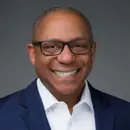
I would love to hear your thoughts on this episode. Please send me a text... What happens when a job loss threatens a family’s housing, and that uncertainty begins affecting their children’s mental health? For the Greater Sacramento Urban League, those challenges call for connected solutions. In this episode, I'm speaking with President and CEO Ken Barnes to explore how an organization serving Sacramento since 1968 is strengthening its work in workforce development, housing counseling, and yo...


I would love to hear your thoughts on this episode. Please send me a text...
What happens when a job loss threatens a family’s housing, and that uncertainty begins affecting their children’s mental health? For the Greater Sacramento Urban League, those challenges call for connected solutions.
In this episode, I'm speaking with President and CEO Ken Barnes to explore how an organization serving Sacramento since 1968 is strengthening its work in workforce development, housing counseling, and youth and family services.
We discuss the practical support available to job seekers, from resumé preparation and interview coaching to connecting with employers. We also explore free, drop-in mental health services for young people ages 12 to 25 and how community partnerships are helping the organization expand its reach.
Ken shares plans for affordable housing in Del Paso Heights and an expanded workforce center designed to help people develop skills for an economy increasingly shaped by artificial intelligence.
Our conversation also takes an honest look at nonprofit sustainability, responsible financial management, and why investing in an organization’s capacity matters to the people it serves.
One story brings that purpose home: a young woman unable to afford her return to college finds a job through the Urban League’s workforce team. For Ken, celebrating that opportunity helped clarify why a temporary assignment in his hometown became a longer commitment.
In this episode:
• Workforce development and personalized employment support
• Housing counseling and foreclosure prevention
• Free youth mental health care and violence intervention
• Community partnerships that strengthen services
• Nonprofit funding, consolidation, and sustainability
• Plans for affordable housing and AI workforce training
Learn more, access services, or support the organization:
https://www.gsul.org/
CHAPTERS:
00:00 Ken Barnes Returns to Sacramento
04:00 Urban League’s History and Core Services
09:00 Accessing Free Youth Mental Health Care
14:00 Workforce Development and Job Search Support
18:00 Community Partnerships and Collaboration
24:00 Nonprofit Consolidation, Funding and Sustainability
34:00 Expanding Services and Affordable Housing
44:00 Community Impact: Connecting a Young Adult to Work
49:00 AI Training and the Future of Workforce Development
54:00 Beyond the Mission: Getting to Know Ken Barnes
Thank you so much for listening to this nonprofit story! We appreciate you. Please visit the website to sign up for our email updates and newsletter. https://www.nonprofpod.com/ And if you like, leave me a voicemail to comment on the program, leave a question for us to ask in the future or a message for me, Jeff Holden. I may even use your voice mail message in a future episode of one of our incredible local nonprofit organizations. https://www.nonprofpod.com/voicemail. Thanks again for your support in listening, commenting and sharing the great work our local nonprofits are accomplishing.
Ken Barnes: [00:00:00] I think my approach is always, okay, how do I create the environment that allows me to then generate the revenue that's necessary to tackle the other challenges? I know this is sacrilege for the nonprofits community. It's not always about money. It's about creating the conditions that allow you to earn the revenue that's necessary to do more
Jeff Holden: Welcome to the Nonprofit Podcast Network. Our purpose and passion are simple: to highlight the incredible nonprofits that make our communities stronger. Each episode is a chance for these organizations to tell their story in their words, sharing not just what they do, but why it matters to the people they serve, to their supporters, and to all of us who believe in the power of community.
Through podcasting, we [00:01:00] hope to amplify their voices, inspire connection, and give them one more tool to impact the hearts of donors, partners, and neighbors alike. This work is made possible through the generous support of our incredible partners. CapTrust, offering fiduciary advice for endowments and foundations.
Western Health Advantage, a local not-for-profit health plan that believes healthcare is more than coverage, it's about caring. Core Executive Leadership and Comprehensive Support Services. They work in it so you can work on it. And Five Star Bank, a local trusted advisor to community nonprofits for over 25 years.
A job that can support a family, a stable place to live, someone to turn to when life gets overwhelming. Those needs are connected, and for the Greater Sacramento Urban League, so are the solutions. Since 1968, the organization has helped [00:02:00] Sacramento residents access opportunities and build more secure futures.
Today, that work includes workforce development, housing counseling, and youth and family services, including free drop-in mental healthcare for young people ages 12 to 25. And this longtime community institution is looking ahead with plans for affordable housing and an expanded workforce center that will help people develop skills for an economy increasingly shaped by artificial intelligence.
Joining me is President and CEO Ken Barnes, a Sacramento native whose experience leading businesses and nonprofit organizations brought him home for what he thought would be a temporary assignment. What he found was a reason to stay. We're talking about the Urban League's next chapter, the people behind its purpose, and how a nearly 60-year-old organization is finding new ways to open doors.
Ken Barnes, welcome to the Nonprofit Podcast Network.
Ken Barnes: It's exciting. Thanks for having me on today.
Jeff Holden: [00:03:00] Oh, and then some. I'm really looking forward to this conversation. Yeah. You know, before we get into the details, however, I wanna talk a little bit about why you came here.
Ken Barnes: Yeah.
Jeff Holden: You, you were successful. You're living in San Diego.
Things are going well, and there's this, I'll say it, mildly challenged organization here with a really long legacy and, uh, uh, you know, history in the community, and you chose to come back to Sacramento. And I say back, I'll let you explain. Yeah.
Ken Barnes: Well, you know, it's funny. It, it wasn't my intent to move back home.
I thought, uh, I'm a professional interim, and so the, the plan was I would execute four months, six months on the out if things were really difficult, and that would be it. And so I was commuting up from San Diego on Monday mornings. We kept the ADU here in town, stay there a couple of nights, we fly back home, [00:04:00] work remote another day.
Uh, when... There's two things happened. One, when I, uh, came up, found out there was maybe a few more challenges to knock down- ... than, than anticipated. But then what happened over time is I got-- I messed around, let myself get emotionally attached to the work. And usually, you know, in interim type work, it's a bit more robotic.
You, you do your job, you set up for the next person coming in. Uh, you don't make changes that are so big that they can't create the firm that they want, but you also wanna create a kind of an easy flow. And I just, as I was doing the work, I think what was different, one, I'd never done my work in my hometown.
Scott Thomas: Mm.
Ken Barnes: That was one. Second, it was in the communities where I was raised. So I don't I didn't grow up where I live now. I'm in a different demographic, and thank God for that. But spending time in the old neighborhoods, I grew up in Meadowview off of Detroit [00:05:00] Boulevard. Our headquarters for the Urban League is in Del Paso Heights- Mm-hmm
near Grant High School at Marysville and Grant, and our youth and family center's in Oak Park. And so each day you're seeing these challenges. So much is hasn't changed, and I just wanted to see the change continue and to implement the ideas, and I started meeting with community members and elected officials.
And, and then on top of all of it, I still have a theory that my mom blackmailed somebody or threatened. I don't know. My mom and grandmother live here, and they're pretty strong folks. But yeah, it's a... I joke that they wouldn't let me go home, but it's, the reality is it's good to be home. We signed a five-year agreement, so I'm here for a minute.
It's, it's nothing short-term, and I'm happy. I, I really ha- I, I wake up looking forward to going to work. It's, it's just different. So I love San Diego. It treated us well. It's nothing like that. It's just... The only way I can describe it is I feel like, [00:06:00] my wife feels the same way, that we are called, 'cause it's we, 'cause this is a team decision, that we are called to be here for this time and this moment.
Jeff Holden: Mm-hmm.
Ken Barnes: And, and that's how I feel.
Jeff Holden: That's awesome. A- and I love that serendipitous acceptance, so to speak. We're here. We don't quite know why, but there, there's certainly a higher power at work in some way, shape, or form. And you are home, you know? So- I... This
Ken Barnes: is-
Jeff Holden: So mom and grandma are here. Yeah. They're, they're thrilled.
Ken Barnes: No GPS is needed in, in- ... in Sacramento. Even your studio, I'm like, "I know where that is." Right? It's, it's near the, the old $2 movie theater.
Jeff Holden: Yeah, that's right. So it's-
Ken Barnes: That's right ... yeah.
Jeff Holden: And you didn't just come in as interim. You took and swung a $2 million challenge into a positive situation in a very short period of time, and n- not only is that complimentary and, and amazing in all that, but I think we're gonna hear that as we get into the discussion.
So n- now let's talk about the organization.
Ken Barnes: [00:07:00] 1.7 million to be exact.
Jeff Holden: Oh, thank you. Just to
Ken Barnes: put a...
Jeff Holden: Okay, I rounded, I rounded upward.
Ken Barnes: Yeah. I...
Jeff Holden: It's, it's one of the oldest civil rights organizations in the country, and I think founded in 1910- Mm-hmm ... brought to Sacramento in 1968- That's correct. Yeah ... if I'm not mistaken.
So we're almost 60 years of Sacramento Urban League here, and that's a long-tenured organization- It is ... by any standards for, for nonprofits in the community. Tell us about some of the core programs that you offer.
Ken Barnes: So one of the things that we did when kind of, hey, what does the Urban League look like or need to look like today and, and for the, the future?
Over time, any organization, after 60 years, you're gonna have mission drift. And, and you kind of end up, no nefarious attent- uh, intent, you just end up in other areas maybe isn't your expertise. Mm-hmm. Because someone approached you, "Oh, there's a problem here. Uh, hey, can you help with this?" And so you have a big heart and, and you try [00:08:00] to do it.
You just have to make sure that your bank account keeps up with the heart because doing good work does cost. What we found that we do well is at our core three things, workforce development, youth and family services, and our housing department. When the Urban League was founded in 1968, some of the original partners are still with us, Teichert Construction, PG&E.
They're still on our board, still supporting us every year. And, and that was, like, our, you know, kind of that foundation. There's even examples such as, uh, Phil Godot, who's a pastor at Calvary Christian Center in Del Paso Heights, got his first job out of college through the Urban League with Dolores Bryant, who was the CEO, I think it was '72, '73.
Uh, and he was the first Black engineer hired by, I think it was Union Pacific or Southern Pacific, always mix up which one is which- Right ... to, to work for them. They didn't, they hadn't hired anyone Black yet in the '70s. And so to me, that, the, the first two Black police female [00:09:00] officers with the Sacramento Police Department, that's the legacy of the Urban League, uh, training people for careers that are long-lasting, support their, their families.
So we're focused on that. In our housing department, we're a HUD counseling center. We do that really well, getting first-time homebuyers into houses and persons who've run into a challenge, face a foreclosure, working to keep them out of it. And then our Youth and Family Center is a separate facility. So our, our headquarters is a large place.
It's 27,000 square feet- Mm ... in Del Paso Heights. Our Youth and Family Center is a 12,000-square-foot facility at Alhambra and X. In there, we focus on two things, uh, violence intervention programs through our Black Child Legacy campaign and some other work we do in the community to Help kids understand that there's other ways to engage without violence.
And our mental health program, which is a unique thing in the nation. It's a partnership with the County of Sacramento who funds it, along with Stanford University, our technical [00:10:00] advisors, and we provide free drop-in mental health services for youth and young adults age 12 to 25. And that's the part that's really been transformational, getting kids from neighborhoods who they don't have therapists, they don't have those kind of resources, but making it cool to have a therapist, to, to brag about it.
Like, "Yeah, I got a therapist." It's like, "Yeah, you do." Now we bribe them for a variety of different ways- ... to get in. We have Taco About It Tuesdays, lots of food. Food really works with teens and, and early 20-somethings. We have video games set up. There's a... I almost said Sega 'cause I'm old. There's a PlayStation in, like, one room.
There's a- No, you didn't
Jeff Holden: say Pong. We're
Ken Barnes: good, okay? Pong. 'Cause I'm older. Yeah, I, I, I, I was a Pong master at six. There is a... I explained to them what Pong was. They're still confused. We were installing a Nintendo Switch, I think it's called, system, and one of them asked, "Oh, do you play?" I go, "I didn't know what this was until roughly 72 hours ago when I was asked to order one for the
for the kids." But the cool thing is we [00:11:00] get them in, and, and what happens if they flow it into kind of a group therapy. And we have licensed clinical social workers, our new chief clinical officers, a psychologist who's an expert in anxiety and dealing with college-age students and high school students.
So we're just excited about where we're going as an organization. Those three things, housing, workforce development, mental health, they all connect with one another. If someone is facing foreclosure, there's probably been an economic event in the household, so our workforce team is there. There's also probably some, uh, mental health challenges- Yeah, some trauma
with the kids who, who've been dealing with the, the trauma of a housing insecurity or the potential of it or, or mom or dad who lost a job, and then we can address that. And so that's our goal is just keeping these three things interconnected and, and kind of working in a circle.
Jeff Holden: And, and that's a perfect transition to the next question.
If, if I were walk into- That facility, 'cause you said it's a drop-in.
Scott Thomas: Mm-hmm.
Jeff Holden: They say, "I, I [00:12:00] need help. I don't know where to start." What does it look like? What happens?
Ken Barnes: So they just show up during, during the drop-in hours in the afternoon. They walk in, they're greeted by a peer support specialist right at the door.
The peer support specialist, one is a college student at Sac State, the other is a recent college graduate. Because you want someone that's a little bit closer- Mm-hmm ... uh, to them, a little bit more relatable. It's a very short intake process because our goal is to... We don't charge any fees. There's no cost.
So our goal is just get you in, do a quick screening, and then off to a therapist. And then let them do their thing, figure out what's next, you know, what may be going on. We just finalized a deal with WellSpace Health. Oh, great. They'll be providing, uh, physical health. Uh, so a physician will be on site, NP or MD, couple of days a week just for, you know, to see someone.
Sometimes things happen and they need to see a physical health doctor, so we have an exam room that we're building out there, [00:13:00] uh, with WellSpace leading that. So it's really been a great community effort. Jonathan Porteus, the CEO of WellSpace Health, and Janine Berra, who's their chief medical officer, uh- And
Jeff Holden: Dr.
Berra's recently elected as we speak today on-
Ken Barnes: The Dr. Berra, Dr. Berra ... November 5th. The Doctors Berra- Yes ... uh, in our community. The The congressman, Dr. Bera, huge supporter and help of us at the headquarters at the Urban League that's in his- District ... current district-
Jeff Holden: Yes ...
Ken Barnes: until January. The, the Mrs. Dr. Bera, who's leading and helping us with the medical side of getting our clinic open, and then Dr.
Porteous, Jonathan, their CEO, who's a psychologist by trade, was really instrumental going back a year ago and like, "Hey, here's some things to think about." And like, and then just the whole rest of their, their team has just been... I'm gonna s- stop saying names, or I'll get myself into trouble. Uh, but like Ben Avey, who's also on the San Juan School Board, works at WellSpace Health, has like [00:14:00] been in the middle helping to make sure everything happens.
And so it's just... But that's been being home. I- if I had to describe everything about like where the Urban League is and, and how it's come about, it hasn't been my work. It's been, I have yet to have someone tell me no when I ask for help.
Jeff Holden: Mm-hmm.
Ken Barnes: Whatever that may be. It is not always fiscal. It's mostly not fiscal.
But it's just been all the help.
Jeff Holden: And I think that's the beauty of being a Native. You have this understanding, and people recognize it. You have relationships. You know where to go to ask the question, whatever that question may be. And that opens doors so, so frequently in so, so many different instances.
And here you are- Uh-huh ... looking at it from a, a, a mental health, a physical health, from certainly a fiscal health at some point. That door's easier to enter when you have an understanding of the community and the pe- And those names are very [00:15:00] familiar names for most of us in the community, so...
Ken Barnes: You know, so I'm gonna push back on one thing.
I don't believe it's because I'm a Native. I believe it's the culture of Sacramento.
Jeff Holden: I appreciate that.
Ken Barnes: I, I, I, I believe it's in our DNA as Sacramentans. We just help people. It, it's similar how when... So 10 of the last 13 years, I lived in San Diego. The first stint I was in North County, so it was a little bit different.
If you know San Diego, Carlsbad, Rancho Bernardo, i- it's almost like a, you're in a different world than- Yeah ... if you're downtown, you know, in Point Loma and the areas where we live, kind of in the more the core center of town. Mm-hmm. For people in Sacramento, it's the equivalent of the difference in living in, say, Roseville or Rocklin versus living in East Sac or Curtis Park.
It, there's just like how tied in you are to what's- Mm ... happening in the city core. They treated me as if I g- was r- born and raised. And, and so like the success I had in San Diego [00:16:00] was rooted in that culture there. The culture is it's a Navy town. And then secondarily Marines. There, there's... People are used to folks coming and going, and so you just embrace the new person as long as they embrace the, the culture of the community.
I think there's a lot of similarities in Sacramento, in that if you embrace Sacramento, it embraces you back.
Jeff Holden: And I, I would concur 100%, because I'm not native. Been here for 40 years, so I've been here longer than anyone else. Oh, you're a native
Ken Barnes: now.
Jeff Holden: I am native now. Wait,
Ken Barnes: from where?
Jeff Holden: Well, Chicago.
Ken Barnes: Yeah, same, same Midwest.
M- my wife's a Midwesterner. Before Lady Bird and before the Joan Didion fake quote got popular- ... she actually said that she thought Sacramento was like the Midwest of California. That was her own, like, from being from Southern Indiana,
Jeff Holden: so. S- s- same reason we stayed. It had this, this provincial feeling. It had community.
It had people who grew up here and stayed and became very involved, and it was easy to acclimate. [00:17:00] And to your point, they accepted us- Mm-hmm ... really, really, and with open arms.
Western Health Advantage: Yeah.
Jeff Holden: And so that was... That, that is. I, I believe you're, you're very accurate in the culture of Sacramento, and I don't believe it's changed.
I mean, we still see that today. You work with people looking for jobs. The organization has a huge workforce development contingent. Tell us a little bit about that.
Ken Barnes: Yeah, so we have a, what's called America's Job Center. It's a partnership with the SETA, Sacramento Employment and Training Agency. Ana Maldonado, CEO; the exec director, Renee Johns, their number two.
They do what can only be described as amazing work. They're like these round-the-clock workers. I don't know when they sleep. And what it allows us to do is provide a variety of services for persons who are looking for something. So sometimes it's... Oftentimes, it's a resume. I, I think while there's more tools today, you can't just AI a resume and walk.
It doesn't [00:18:00] work that way. There's a... We could talk about the AI workforce center that we're building, but later maybe- And we will get there, yes ... um, but there's this lack of understanding that the old, like, uh, GIGO saying of garbage in, garbage out is still the same today. You can't be... It won't save you from the inability to write or understand.
So when they show up in our workforce center, we do a full intake. "Where are you at? What are you looking for? What's going on in your life?" You know, "What's, what's happening?" Because you wanna assess the urgency level. You wanna assess their skill level, educational background, high school diploma, GED, none of the above, college degree, graduate degree, 'cause we get the whole panoply from working on a GED to having a doctoral degree and everything in between.
And so we try to meet people with where they are. Fine. We both, we have, like, a plethora of jobs that people funnel to us, and so we k- try to tailor it down, focus it on, "Hey, [00:19:00] would... This is maybe a good fit for you," and then make that bridge to them, try to get them that interview. That's... And, and then prep them for that with making sure that they're, they're polished.
I'll give you an example. We provide services in a lot of languages. Uh, one of them is Dari and Pashto, uh- Mm-hmm ... languages for persons, uh, who've resettled from Afghanistan. Well, it's custom there to have really ridiculously long resumes by, by US standards, by Western standards. You can't give someone a eight-page resume and you're 23.
Like, that's just-
Jeff Holden: Not gonna work.
Ken Barnes: I can't give someone a eight-page resume. I'm 56. Uh, and, like, you still gotta, like, brevity. You gotta get it... So it's also, like, translating, okay, this needs to be a single page, not that dense, but still capture everything there is a- about you. Get them that understanding when someone's gonna look to shake your hand, what that means, the engagement.
So it's, it's that for someone who's maybe new to the States. With someone who's born and [00:20:00] raised here, it's maybe walking them through the challenges they've had. Maybe they've had job losses. Maybe there's some fear about potential rejection. I think people talk about finding a job, "Oh, it's so easy.
There's jobs- Mm-hmm ... everywhere, and, and just go get one," not understanding what it's like if someone's been rejected 200, 300 times. How do you get that person reset and out? And so our team does that. They, they... And so it's a, it's a big job that each one of the persons working in our workforce center does, but they do it well.
We're, we're open every day, five days a week, Monday through Friday, and except for lunchtime, and, and whoever comes by, we, we get them going.
Jeff Holden: All of that requires, uh, all of everything we're speaking about really in, in many different ways. You mentioned Wellspace, so, so that has the collaborative element to support.
Tell me about collaboration [00:21:00] on the grander scale. Who is it- Mm-hmm ... you work with in the community? And because of the elements that you've got, the various facets, I can imagine it's, uh, just a, a cadre of people from different situations, different organizations, nonprofit, community, city. What's that look like?
Ken Barnes: Yeah. It's every- I mean, it truly is everyone. Yeah. It's... I mentioned the County of Sacramento earlier. The City of Sacramento is a, is a great partner. Roger Dickinson, who's a councilman in Del Paso Heights where our headquarters are- Mm-hmm ... is quite helpful. Katie Maple is a councilwoman in Oak Park where our Youth and Family Center is, and so many others on the council.
I mean, that's what people don't get. It's not just, oh, Katie Maple and Roger Dickinson. It's Rick Jennings, whose wife Cassandra used to be CEO at the Urban League. It's Lisa Kaplan, who's close with... We're personal friends that have nothing to do with politics- Yeah ... as well as our VP of programs, who's on the school board in Folsom Cordova.
[00:22:00] They knew each other from school board days. You know, it's, uh, Mai Vang out in, uh, South Sac and Eric Guerra over in Tahoe Park. We've worked literally with all of these members, with the Korean Telemontes, who are looking to do some work over in the South Natomas area that has some challenges. And when I think about the...
That's another Sacramento unique thing where they don't... 'Cause we're the Greater Sacramento Urban League. I think over time it became known as almost the Del Paso Heights Urban League. Hmm. And, and that's not who we are. So in addition to the county, the city, SETA, which is a joint powers authority with others, there's a plethora of private partnerships.
The Gold One Credit Union, by far the, uh, most significant private partner. Um, uh-
Jeff Holden: Big investment in Del
Ken Barnes: Paso. Yeah, big investment in Del Paso and, and a big investment in the Urban League. I, I can't say enough about they don't seek influence and [00:23:00] authority in your organization. It's a how can we help? How do we come alongside and partner with you?
Not, "Okay, we're gonna be on your board and we're gonna tell you exactly what to do, how to execute." That, that often comes with the partnership. I don't have that situation with them. I don't have that situation with another one of our large supporters, uh, US Bank, who's on our board. They're there to help.
Like, uh, Chrislyn Combs, one of our board members, I can call her anytime. Neva Flor, who works for US Bank- Mm-hmm ... in the community. It's just all of them are, like, fully accessible. Gold One, Courtney McKinney, Erica Taylor, fully accessible. That, I think, is unique about how the Sacramento kind of water Works, like the, the engagement with the partners.
And we have, you know, partners with the, the National Urban League, with some of the, uh, national groups who've helped us. And then just a [00:24:00] whole long list. It could be Health Net, SMUD, PG&E, Dignity Health, Sierra Health Foundation we have a great partnership with, the Execute, and the Black Child Legacy Campaign program that I mentioned earlier- Mm-hmm
over in our Youth and Family Center. And it's just... It's almost this endless stream of support that, that comes into the organization.
Jeff Holden: A- and, and both ways, support in through a collaborative effort as well as support out-
Ken Barnes: Yeah ...
Jeff Holden: back to.
Ken Barnes: Well, I think it's the way in which... So I have a different kind of approach, and I get it's probably different from other non-profit leaders because I didn't grow up in the non-profit world.
I, I grew up in the for-profit- Yeah ... startup world, and so, you know, where you have to focus on shareholder return or you're gone. And so I kind of adapted that over to the non-profit world, and except shareholder return is just something different. It's the benefit to the community. Mm-hmm. It's fulfilling [00:25:00] the, the values of the, the donor, of the partner, uh, whatever that level of engagement may be.
And so I always ask, "Hey, what, what are your priorities right now, and how can we help you execute on that?" I, I change it a little bit different versus, "Hey, I have this budget that I, I wanna meet. Can you give me some money, and so I can do these things?" And, and it seems like a minor thing, but it's, it's really been- Interesting the number of times I'm finding that they've never been asked the question of, "Well, what, what do you have going on that I can help you with that's within the bounds of what we're doing?"
And, and if it's not, being willing to say, "I wish you the best. I don't think I can help you with that. We don't have expertise in that area, but I know a nonprofit that does." Mm-hmm. And, and I think that is the role that we have to have, is not just building us, but building those and the ecosystem around us.
Jeff Holden: I love the way that you presented that as well, because one of the [00:26:00] challenges so many nonprofits have today is funding. And-
Ken Barnes: There's too many of them doing the same thing. They need to merge.
Jeff Holden: Thank you. Thank you. Thank you.
Ken Barnes: Consolidation, as it's called in the nonprofit world. Well, I- I'm, I, I am radically obsessive on-
Jeff Holden: We are about to-
Ken Barnes: that note ...
Jeff Holden: rattle the entire community- Yes ... because I presented a conversation at one point, I said, "Communicate, collaborate, consolidate." Yeah. And every... "Oh, no, we, we, we love to communicate and we love to collaborate, but oh-ho, not the consolidate." And I said-
Ken Barnes: All
Jeff Holden: about consolidation ... "If we don't, we're siphoning valuable dollars to organizations that could be so much better if they were accretive versus competitive."
And I, I love what you're
Ken Barnes: saying. Well, there's, there's... You take four companies doing the same thing, four executive directors, four chief fiscal officers, whatever you call them, four- HR, insurance ... administrative this and that and HR, and all of it is, like, thin instead of just excellent. You need one of those exec director CEOs, probably paid a little bit more so you [00:27:00] can hire better talent.
You need one of those chief fiscal officers, same thing, little better, uh, better pay, better background, more robust experience. And then with those savings, you need to hire a general counsel in-house so that you're not making poor decisions that lead to difficult outcomes that cost the organization money, and you need, instead of just one random person doing HR who may or may not even have a PHR certification of some sort, getting a real HR leader and maybe another generalist or two that's working for them so the HR department is three full-time people instead of a half-time person who does some other things.
A professionalized organization means higher wages for the frontline employees. It means timely wages being paid. It means insurance is being paid, accounting being done properly, audits being delivered on time, tax returns being delivered on time, all of the things that if you don't do, your organization will collapse.
And there's this lack of [00:28:00] understanding that that day of reckoning isn't coming, it's here. Because every conversation I've had over the last year and a half, if you wanna know what's at the core of how you flip $1.9 million in a year, part of it is going to funders and explaining what you're doing to bring the organization in line.
I cut $1.2 million in costs So if I can find $1.2 million out of a less than $6 million, in a $6 million budget- And it
Jeff Holden: has come from some loose- ...
Ken Barnes: then you'll find it elsewhere
Jeff Holden: And you're talking about consolidation, and you were still able to look at that as waste or overexpense- It's over- ... or, or poor investment
Ken Barnes: or misdi- misdirected.
Jeff Holden: Right.
Ken Barnes: Like, you don't need three consultants to the CEO about consulting. You know? Like, you need an expert who is an employee, a W-2 worker who this is their full-time job with the [00:29:00] appropriate wage for their experience and what they're able to execute, and then you can do so much more.
You can have a credible conversation with a funder because they know that you can execute on the deliverables that you wrote in the grant. This morning I was, I was up early finishing a budget, uh, for deliverables on a, on, on a grant that we're bringing in, and I was going through it, and I was making adjustments.
And the adjustments I was making in there were like, that shouldn't be charged to it. I disallowed in, in the rough budget, I disallowed additional indirect costs that would just flow, you know, to the retained earnings for the org because it wasn't proper. And, and you've gotta do that to have that credibility to disallow $27,000 in costs 'cause that shouldn't accrue to us.
That... And I reallocated it to equipment that could be used so that you could have more persons in the program. Mm-hmm. Like, everything has a [00:30:00] real cost. That 27K, I want to calculate it out. It's like, you know what? That allows me to have 11 more persons engaged in a cohort for this particular thing we're doing versus just, oh, well, yeah, sure, we need it.
Well, sure, it could be helpful for a reserve, but you gotta be focused on the execution of the programs.
Jeff Holden: Right, and, and the impact that you're making. Yeah. And quantifiable. Yeah.
Ken Barnes: Not
Jeff Holden: we're just making this move. You just said it, 11 people versus zero if it went the other direction, so big deal. We'll be right back to hear more from Ken Barnes, President and CEO of the Greater Sacramento Urban League, right after a few messages from those who recognize the value in helping nonprofit stories get heard and seen.
James Beckwith: I'm James Beckwith, president and CEO of Five Star Bank. We're dedicated to supporting nonprofit organizations who advocate for the strength, resilience, and vitality of those they serve. When nonprofit organizations thrive, our [00:31:00] community does too. By supporting the Nonprofit Podcast Network, Five Star Bank is amplifying the voices and meaningful impact of our nonprofit community.
We're Five Star Bank, a trusted nonprofit partner. How can we help you?
Darrell Teat: Hi, I'm Derrell Tate, CEO of Core. Every organization needs strong support behind the scenes, but building out finance, HR, technology, and administrative functions internally can be expensive and time-consuming. At Core, we provide back office support that helps organizations operate more efficiently without having to build every function from scratch.
That means your leadership team can spend more time focusing on growth, mission, and the people you serve. You get to work on the business, not in the business. If your back office could use more support, let's have a conversation. Visit C-X-O-R-E.com. That's [00:32:00] core.com.
Scott Thomas: Hi, I'm Scott Thomas with CapTrust.
Nonprofit leaders are balancing fundraising challenges, staff burnout, and uncertain funding, all while keeping their missions moving forward. CapTrust 2026 Endowment and Foundation Survey explores how organizations are responding with findings on cash reserves, board governance, investment strategies, and the use of artificial intelligence.
What could those findings mean for your organization? Let's explore the report and possibly elevate the conversation. I'm happy to share it and see where we might be able to help.
Western Health Advantage: Healthcare can feel complicated, sometimes even a little impersonal. At Western Health Advantage, we believe it should feel different.
We're local, built for Northern California, and guided by doctors. As a nonprofit health plan, we share your commitment to giving back. [00:33:00] We support organizations like the American Heart Association, Sacramento Ballet, and the Crocker Art Museum, helping strengthen the communities we call home. You make a difference every day.
Your team deserves a health plan that understands the purpose behind your work, with flexible coverage options and local support that put members first, because healthcare isn't just about plans and paperwork, it's about people. And when your health plan understands that, you can feel the difference.
Discover Western Health Advantage. Visit westernhealth.com.
Jeff Holden: Let's talk a little bit about the funding. Yeah. How is the organization funded?
Ken Barnes: The, the examples I gave you earlier, all of them different grants, different engagement- Mm-hmm ... different deliverables or just, uh, outright contributions. Probably the biggest shift that we're in the midst of that I'll be focused on on these next five years is adjusting us to more of a fee for service structure than a grant-based- Are you
Jeff Holden: taking all my un- [00:34:00] advanced questions here?
You're just, you're just answering without me asking them 'cause I was gonna get there.
Ken Barnes: Yeah, I, I believe in fee for service space. Yeah. And the reason why, uh, the last nonprofit that I led, we were primarily fee for service, and with fee for service, you agree to deliver a particular set of services at a particular, uh, dollar amount.
You deliver those services, you document what you've done, you then send the bill for those services. Everybody... It works for everybody, whether that entity, a government entity, a private entity, but it's an agreement that we have. Good old-fashioned contract. We'll do this for this, uh, this dollar amount, and, and you execute on behalf of your community.
Some don't like that speech. I get that 'cause it sounds robotic, sounds like I'm just MBA guy, which I am, but that is, in my opinion, what it takes. You... Yes, you still have the heart, and you still look at everything's not a bottom line. There's still pro- some programs where [00:35:00] you will lose money, and it's okay as long as it's balanced out in a different part of the enterprise, and there's full vision that we are going to take a loss on this particular program because it's what the community needs.
But it's because of in a fee for service situation where the additional capacity, those are retained earnings. It's not like a grant where you can't keep it.
Darrell Teat: Mm-hmm.
Ken Barnes: And so fee-for-service allows you to do more for your community. Perfect example, my old f- firm, we had what we called an enhanced behavioral program.
We provided services for persons living with, uh, intellectual and developmental disabilities. Okay. There was a program that required what we call two to one. So most of the services, one employee and three persons receiving services. This was one that required one to... One employee to one, or sometimes two employees- Hmm
to one person. So much more expensive to execute. The funding wasn't all there to cover [00:36:00] all of the costs, the safety that needs to go into play, uh, so that the participant doesn't harm themselves. But no one was doing this service in the community, and it was needed. There was a demand for it. And so we figured out in another program that was fee-for-service, and there was a, a little bit more retained earnings left over.
We just assigned that over to the deficit at, in that program, and we executed it. The cool thing was a donor saw what we were doing, came along, wrote a check, and, and closed that gap. But sometimes you have to find a way to go out and do the service and then bring that support. You can't go in the hole, but you can balance the enterprise.
That's why you need fee-for-service.
Jeff Holden: And two things happening there. One is you're thinking of running the organization like a business It is a business.
Ken Barnes: And if you think it's different, then you're gonna fall apart.
Jeff Holden: Thank you. Yeah. And, and, and so many people don't look at it from that perspective. Yeah.
And even from the outside in, they expect it to be run so lean, so thin, and so skinny in terms of its margins. That's not how business runs.
Ken Barnes: That's not how [00:37:00] business... You cannot run this whole thing that a nonprofit needs to run on a, you know, 9%, 7%, 11% 95, 97, right? Yeah. None of that makes any sense. The, the administrative margin, as I call it, is you have to have a margin that allows for excellence.
If you don't, the services won't be delivered, the organization isn't sustainable. I will say that I think there is... The tide has changed and turned a bit in that area. I actually don't get a lot of pushback in that realm. I mean, I'm still conscious of it, but the... It's articulating the person's why you need the additional capacity.
It's not just, "Oh, we want more money." I'd say no, too. I always look at it as, as a, as a donor, 'cause I- my wife and I are donors. We, we support organizations. We write checks ourselves. Mm-hmm. And that actually makes it, I think, sometimes a little bit easier to see the other side. I've been a board chair. I've, I've sat on [00:38:00] a, a number of boards.
I... So I see the other side. I've led a for-profit entity who's written checks to support nonprofits, and so I try to pretend I'm the, the person making the, the investment in the org. How would I feel? What do I want to see? And, you know, sometimes that works, sometimes it doesn't- Mm-hmm ... but that's my approach.
Jeff Holden: And that's the premise of why we exist. Uh, certainly it's discoverability for the organizations, number one, but, but secondarily, for a donor to hear that executive director, president, CEO tell that story of how they are managing the assets of the organization. Yeah. And when it's run like a business, you can feel a lot more comfortable than when it's run as if it's charity only.
Yeah. And that's not to take anything away from the people who really mean well, but it's time to change. Yes. And, and we see that in... Now he's a fee for service. It's earned income. But you have to become sustainable, and that doesn't make you reliant [00:39:00] on every grant from grant cycle to grant cycle to grant cycle.
So let me ask you a question. Somebody comes in and says, "I love what you're doing. I love what I'm hearing. I wanna give you a blank check for the Urban League." What would it look like? What would be different today?
Ken Barnes: I would do, the first thing I would do is the most non-sexy thing in the world. I would replace our roof-
our HVAC system, and the plumbing.
Jeff Holden: And I'm sad to say that I remember when the building was the grand opening.
Ken Barnes: Yeah.
Jeff Holden: I was there, th- the ribbon-cutting back in the day.
Ken Barnes: Let me tell you, there's not gonna be a press conference around the Greater Sacramento Urban League has all new toilets and a new plumbing system, and HVAC works, and it's no longer too cold or too hot- Right
on a given day, and there's no water gonna come through the roof. But that's what you have to do. Building a company, it's the non-sexy stuff that makes you sustainable over time. This is a beautiful building. It was bu- but it has to work. So that's the first thing I would do. The second thing would then [00:40:00] be, after the envelope, that's what we call it, of the building, is taken care of, I'd sweep the entire inside of the building.
All total, it's about $4.45 million of already run down the budget. So this isn't pie in the sky. This is- No, you're already
Jeff Holden: there. You're there ...
Ken Barnes: I'm actively working on this. We have a jewel, but it was designed in the '90s. I need something designed for current day. And what that would allow for is this three-story building with two sides to it.
We can, one, bring more employees on with- and use less square footage for them, and open up the additional square footage for programming that the community's been demanding. Mm. We would expand our mental health services program. So this sweeping of it and remodeling isn't for sake of going, "Hey, look at my new office."
It, it's for services. We have to do it because of the TIs that are necessary to expand our mental health services program to Del Paso Heights. That's, uh, that would be on the second floor where that would go. It would [00:41:00] allow our workforce center to grow from its current 500 square feet to 2,100 square feet, which we've already started that design on, and make that a fully robust AI-enabled workforce center that we're already actively working on.
It would allow us to also bring in additional youth services programming aside from the mental health services so that children can be served in Del Paso Heights. There's a real world effect and immediate impact of the investment that it would take with that blank check. The blank check for me goes towards how do I expand capacity to do more for the community, not necessarily, "Oh, we're gonna do this and we're gonna build that."
I think that's well-intentioned, but you have to get down to your core mission. What sustained, what's your purpose? What's your mission statement? Why are we here? We're here to serve Black and other marginalized communities and focus on the workforce development and housing and [00:42:00] youth services. That's how I would spend that blank check that I would fill in for 4.4, but I'd probably fill it in for, like, 5.5 'cause there's always cost overruns, and we could use a reserve.
Jeff Holden: And it's a specific number, so anybody that's listening and you happen to have about 5 million bucks in your bank account that you really wanna contribute to the community where you know it will have impact, here we go.
Ken Barnes: I will stick your name on the side of the building. I, I, I will change the name of it to the Bob Smith Urban League.
I, whatever. Right, right. Uh, and, and I, and I, I say that like a joke, but the thing is I, I don't really care, like, how we get there. These are the things that I need for this community. Mr. Shelby moved heaven and earth to build this building for just over $5 million in 1999, opened in 2000. Fast-forward 26 years, it's actually pretty inexpensive, the fact that for less than the amount it cost to build the whole building 26 years ago, we can actually fix [00:43:00] all of the things that are there, and then structure it for where we are today.
Sometimes it's little things like, you know, the Wi-Fi doesn't work well because walls weren't designed-
Jeff Holden: Yeah, right. They're
Ken Barnes: blocking the signals ... for Wi-Fi and di- Yeah, so there's, there's things like that, and the, the, you know, the, the type of windows that we have cause the heating and electric bills to be higher than they should.
It causes the electric bill to be higher. The, you know, all the things that, that go into it. But the building also was one of the first LEED certified buildings, and so for example, getting those systems working again to where when it's over 100 degrees in Sacramento, the misters come on in the foyer and it cools it down- Mm-hmm
naturally without having AC come on. When it's cold in the wintertime, the floor has a heating element with water that comes through heated water that's recycled through, and it heats up that and it reduces the total bill. So there's these forward-thinking things that also need just a little bit of repair.[00:44:00]
Jeff Holden: So let me ask you, is... It could be conceived as that also is the greatest need, but y- the vision there is to get that taken care of because it l- allows you to expand the capacity and service to the community. Is it also the greatest need, or is there something else that you would say, "Well, if I, i- if I got that money, do I still have a greatest need that's different than that?"
Ken Barnes: Well, I think it opens the door for the... to address the other needs. So I think my approach is always, okay, how do I create the environment that allows me to then generate the revenue that's necessary to tackle the other challenges? I know this is sacrilege for the nonprofits community. It's not always about money.
It's about creating the conditions that allow you to earn the revenue that's necessary to do more. Now, the next thing we're, we're building, we've re-engineered... We own a lot of land. We've re-engineered our plans for housing. The, the biggest need i- is housing in our community. We had [00:45:00] a plan for a s- and it was like a $43 million building that wasn't feasible for t- Today's market and what people, you know, one bedrooms and studios and things.
But two bedroom, two baths that are 800 square feet that people can access for the same cost within a housing voucher cost is the demand. There's almost none of that product. So our new design is 24, uh, two bedroom, two bath units. I call it hidden singles. I'm not trying to hit a grand slam, don't need a home run.
Base hits. In fact, at the State of the City this morning, Mayor McCarty said it best. He's like, "Three singles is fine." That, uh, that really spoke to me. We're just trying to get base hits. If we get lucky, I'll take a, I'll leg it out for a double.
A
Jeff Holden: double's okay.
Ken Barnes: A double's okay. I was a fast runner. But if we get these 24 units up, I think it does two things.
One, we got the project from $43 million to 8.5. So that's a... Now we're within the realm of what's, uh, possible and [00:46:00] feasible for 24 units. There's already a demand, so we would be filled fairly quickly. And I believe it would give belief to those in the community of, oh, this is possible. Like, you can do some- not just some pie in the sky type thing.
But, uh, I've even said that we're not doing a groundbreaking, uh, once we get this started next year. We're gonna do a reverse groundbreaking. After the ground is broke and stuff is happening, then we can have a ceremony. We'll get some hard hats, all the little fun stuff. But I want construction stuff going, like actively underway.
You
Jeff Holden: can see it.
Ken Barnes: There it is. You can see it. It's happening. There it is. We have a lot across the street that was going to be another parking lot. It's going to be four three bedroom, two bath units, 900 square feet each. And then across the street from us, an outdoor entertainment venue that we're entitled and moving toward the permitting process.
So I would, if I would say the next thing would be that those housing projects really the great thing about it is those 24 [00:47:00] two bedroom, two bath units would be across the street from very difficult product that's smaller, less efficient, older, and costs more. Mm-hmm. And that's what we're looking for is to around the Urban League and our footprint show the community that we can positively impact.
Jeff Holden: Tell me- An example of impact. Mm-hmm. If you can say, "Here's a situation. This-- Here's somebody who came into the organization, here's what happened, here's where they are today," in, in a contemporary sense. Now we've got some people that you've already mentioned earlier. Yeah. But for somebody who's thinking, "Okay, I, I need to get to The Urban League.
I think they can really help me," what would I look like when I come out of that?
Ken Barnes: I, I, I'll actually give you the one that got me emotional for the first time. You asked earlier, like, what-- how'd I end up staying. This one thing, when I look back, it's funny, kinda was the beginning of the tether, I would call it.
It was last summer, summer 2025, and there was a young lady who, [00:48:00] after her first year of college, didn't have the funding to go back for her sophomore year.
Jeff Holden: Mm.
Ken Barnes: She's home. She's stressed. She went to see w- uh, a partner in the community, a different nonprofit, and they didn't have anything. But their exec director, who I had just met maybe four or five weeks earlier, I gave her my phone number.
She called me. She's like, "Hey, I don't... I got this young..." She was kind of like a, a rockstar student from the neighborhood, and she goes, "We just need to find something for her. I don't know. Is there, is there any way you can help?" I said, "Well, have her come over." So I asked my team, I said, "Hey, you know, can you give him a hand?"
And he was like, "On it." And so he runs down there to the workforce center. Sam and, and his boss, Chris, they start going through, and my team starts identifying some things. Some job opportunities had come through, like two or three days earlier, and, uh, one of the guys had heard, overheard the conversation, was working with someone else and was like, "I'm [00:49:00] sorry, I'll be right back."
He's like, "Wait, I, I know a job that matches, I heard you talking about." So he gives him, et cetera, on her interview, gets the job. And, and they told me about it the next week, and it just kinda overwhelmed me with emotion because it was the vision of what the future could be like here. It was the reason I was there.
When I got there, the workforce center was open about 12 hours a week, and, and now we're open five days a week, you know- From morning to 5:00 and delivering those services. Again, like that is why we exist. We, we actually celebrated it. I, I went and I, I bought a bunch of like, uh, donuts and stuff, and I was like, "We got somebody a job."
And to me, that's how the, the joy just should be. Not to lose any... You're not a Christian audience, but I, I use the example of I remember I had a pastor, he used to say [00:50:00] when somebody would come to church and they'd come to Christ, that there's like a party in heaven celebrating it. And I would kind of map that over, like somebody got a job downstairs in a workforce center, there's a party in the building.
A- absolutely. And that's how, that's how like I felt. And that to me is why we're here.
Jeff Holden: And now you know she can continue through and graduate.
Ken Barnes: Yeah. You know, I, I, I need to circle back and see, you know, we got her this job and, and she was earning. I, I don't know whether she went back to school or, or, or went to...
I guess we just do- should do a follow on, 'cause it's been a year or a little over a year. But I just... That to me is the... That's the ballgame.
Jeff Holden: Yeah. That's the impact, and that's in the community. Mm-hmm. Not to mention what you're gonna do with housing. That is a huge deal, because we know how difficult that is and what it's, what the problems are caused with, whether it's insecurity or, or none.
You know, you're living out of a car, and that just is not acceptable for people who are able-bodied and mentally [00:51:00] well. We need to support them in those situations, and I love the fact that you've got that going on now. Yeah. Very, very
Ken Barnes: cool. The city is really supportive of it. Yeah. I think that's where...
You know, so often, I mean, it's easy to take a cheap shot at, "Oh, the government bureaucracy, they're holding us up." Often they are. But, but not in this case. Yeah. You know, both the, uh, Mayor McCarty and the city manager, Markesha Smith, and City Councilman Roger Dickinson, and everyone in the city permitting department and environment and all, everyone is like all in, 100% supportive.
That's great. It is the, one of the best feelings to... I don't have the negative story of, "I can't get anyone to help me," or return a phone call. Right. Right. That's just, that's not what we're dealing with.
Jeff Holden: In terms of- Next steps. You've got something going on with AI I wanna have you-
Ken Barnes: Yeah ...
Jeff Holden: address before we get into the-- We're just about to wrap up here.
Tell us about that.
Ken Barnes: So, you know, I come from a startup world. That's in my blood from [00:52:00] the '90s, you know, the dotcom kid. Uh-huh. With now known as Realtor.com, then it was HomeStore and HomeBuilder.com and the like. So I, I, I believe in all things startup. I used to be president of Zingel, uh, then at TechZing ordered food and valet parking.
Jeff Holden: Uh-huh.
Ken Barnes: And so I look at us as a 58-year-old startup at The Urban League.
Jeff Holden: Great perspective. I love it.
Ken Barnes: And the-- I've been obsessed with deploying artificial intelligence for good for multiple years. I know it's just become into the regular conscious, but-
Jeff Holden: Yeah. With that, with that nomenclature, AI for
Ken Barnes: good.
With AI for-- Yeah. But for those of us who've been around the tech world, we've been familiar with this for a very long time.
Jeff Holden: Yes.
Ken Barnes: And, and so I'm redesigning our workforce center and increasing its size, quadrupling its size, to be the region's most robust AI learning center. I, I truly believe I can take somebody with a [00:53:00] high school diploma or GED and get them the proper training that'll allow them to go out in today's world and compete for jobs against persons with graduate degrees without the training.
There is-- You do need to understand agentic and generative AI and its differences in how it works and how it can help operate an organization, how agents work, where, what their place is, where the place of the human is and where it is. And really looking at it, one of my friends, Joaquin, described it as an exoskeleton that, that you stick on so when it gives you-- I used to call it put a cape on and give you your superpowers.
Superpowers.
Darrell Teat: Mm-hmm.
Ken Barnes: And that's what we're, we're working on. It takes me about 950K to really make this conversion and make this work. I'm, as of this morning, $180,000 towards it, and I've got another big chunk pending. So we're moving rapidly in that [00:54:00] direction, and I'm, I'm excited about it.
Jeff Holden: And as people are listening to this conversation, they're realizing, "Okay, the building's gonna get this, this deferred maintenance refacing."
Ken Barnes: Yeah.
Jeff Holden: You've got this expansion of the workplace development. You've got the AI sitting ready to go into that- Which
Ken Barnes: is in- ... expansion ... inside this, so of that, that- Envelope ... large budget, like narrowing it down, that four and a half million. Yep. Shunk this down 900 and about 46,000- Yeah ... of it is for creating, uh, the center.
And so that's what I call hitting my singles. I didn't go out like... I mean, it'd be nice if you found 5 million, but I was happy that I found 5,000, which I did, from a entity who stepped up and heard what we were doing, and Verizon said, "Hey, we'll, we'll help with that."
Jeff Holden: Right.
Ken Barnes: And then a different part of Verizon heard about, and we have follow-up conversations with them.
Jeff Holden: Fantastic.
Ken Barnes: Google stepped up and heard what we were doing and, and said, "Hey, we'd like to, to help with that." And, [00:55:00] and so we're partnering with, with them. We're bringing in Chromebooks to kind of... So the whole enterprise is on the exact same hardware platform, uh, sitting on top of Google Workspace. We use an enterprise version, not the free version that nonprofits have, but the corporate version, and that's what's really helped turn around the organization using Google's Notebook, uh, services.
Well, and better prepare those
Jeff Holden: students going through it.
Ken Barnes: Yeah. And so we've been using it internally for over a year.
Jeff Holden: Yeah.
Ken Barnes: That's how we found a number of revenue. We, we created an agent that works around the clock looking for grants, but not just to throw mud on the wall. We actually have it tightened down to where it looks at our capacity, fut- current future capacity, cash flow, can we do it, make the evaluation, and then give us a rating of grants and deadlines, et cetera, et cetera.
And that rating
Jeff Holden: gives you the likelihood of-
Ken Barnes: Likelihood of success. Yes. And not using generative AI to just write a grant. That's always sloppy, and people can see that. But to look at a grant, highlight something, "Here are the things [00:56:00] that I think you're strong, here's where you're weak," then you use that data to then write.
That's why I was saying earlier, AI won't save you from being a horrible writer. It'll only enhance your horrible writing. Yes. But it can give you some guidelines of, "Here are some things you may wanna discuss." So that's what we're doing in, in that space, and I'm excited about it.
Jeff Holden: Love that. We're gonna pivot now for just a second.
Ken Barnes: Yeah.
Jeff Holden: Learn a little bit more about you. We got a little bit of it upfront, but-
Ken Barnes: I thought we were just talking about the urban
Jeff Holden: thing. Yeah, yeah, yeah. No, no. People wanna see what the leadership of these organizations is like, and we all know it's a people business. It's still a people business no matter how much technology you bring into it, and there's that comfort level of, "Oh, I like that person.
You know, I like that, that, that woman. I like that guy. I love what they're saying. There's similarities, and I know my investment in that organization because of that similarity makes me feel better, too." Mm. So we're gonna ask you a few questions here. We're gonna go beyond the mission- All right ... for a second.
All right, so easy stuff. Early bird or night owl?
Ken Barnes: Last night and this morning it was [00:57:00] both
Jeff Holden: It depends on the situation, right?
Ken Barnes: Yeah. It literally was both.
Jeff Holden: Podcast, music, or silence on a long drive?
Ken Barnes: Not silence. It's a combo between podcast or a book on tape, and then rotating in the music.
Jeff Holden: Good. Favorite place to escape, even if it's just for a moment?
Ken Barnes: Hmm. Probably in an aircraft. In an aircraft Just taking a
Jeff Holden: flight. Love that. Just- To, to anywhere.
Ken Barnes: Yeah, it's just sometimes- The
Jeff Holden: destination isn't the point ...
Ken Barnes: I can just, it, there's a freedom of being in a... I'm a multi-million mile flyer historically, so I'm also very comfortable in the air, but there's a kind of a freedom a bit of it.
The other place is on my bike if, you know, if I'm down on the ground. On, on my terrestrial, uh- Yeah. Right, right ... space.
Jeff Holden: Favorite movie?
Ken Barnes: The reason why this one's difficult to answer, I own all, the first [00:58:00] 80 films that have won the Academy Award for Best Picture, and I have a special edition poster- Oh ... that the Academy FedExed to me because they saw in, in the old days of Twitter that I had the first 80 films.
Um, that's why- That
Jeff Holden: would be tough ...
Ken Barnes: that's why there's that long
Jeff Holden: pause. I think that alone, that, I think that right there says, speaks volumes. Yeah, I- you can leave it with that.
Western Health Advantage: Yeah, yeah.
Ken Barnes: There's-
Jeff Holden: The first 80.
Ken Barnes: Yeah. There you go.
Jeff Holden: What'd you wanna be when you were a kid?
Ken Barnes: An attorney. My mom wanted me to be a physician.
I wanted to be an attorney and to work in the political realm. That was kind of my focus up, uh, I don't know, well, all the way through high school. And I, I didn't go to law school, but I married a lawyer, and I'm glad I didn't go to law school now. And I, um, and I get to do work what I thought that an elected official had, was doing, which serving a community is what I get to [00:59:00] do at the Urban League, what I've been doing before.
And so, like, fully fulfilled. I feel like I'm doing what I dreamed about doing as a child all the way now in my adult life.
Jeff Holden: Mm-hmm. And then last question, Ken: what are you grateful for today?
Ken Barnes: Actually, I've been writing about what I'm grateful for. My wedding anniversary is on, on November 11th. Uh, it's our 10th wedding anniversary.
Congratulations. And thank you. And so for the 10 days leading up, I've been, uh, talking about something from, or 10 days of, uh, gratitude, gratefulness, and so today is day five, and I'll be talking about our time that we spent cooking together.
Jeff Holden: Oh, outstanding. If somebody isn't- So specifically,
Ken Barnes: I'm grateful for my wife, just in case I
Jeff Holden: wasn't clear.
I, I did get... Yes. Okay. Yeah, and, and the wedding- For, for- ... and the 10 years. For, for
Ken Barnes: the... Her name's Angela. We really get along well. I actually like her in addition to love. 'Cause right, you can love someone and not like 'em, and, and- This is true ... and, uh, we, we got both, so.
Jeff Holden: Well, and she's covering that other what you wanted to be when you were a kid, [01:00:00] too.
Yeah. So you've got this alter ego working. To your advantage. I- if somebody's interested in, in supporting the Urban League, what's the best way to learn more about it or to g- to- Mm-hmm ... uh, to give a gift?
Ken Barnes: Our website's real easy, gsul.org, Greater Sacramento Urban League.
Jeff Holden: Yes.
Ken Barnes: We put all of our events, uh, on Instagram and, uh, lots of information on, on LinkedIn, and that's the easiest way.
There's a thousand ways to click and contact us. If you need anything, our team jumps right to it.
Jeff Holden: Ken, thank you. It's, it's, it's been fun. I- it's been fun having the conversation. It's fun reflecting back on my memories of the Urban League, you know, back in the day when- Yeah ... James Shelby was there and the building opened up, knowing what it means and the impact it has in the community, and seeing your engagement now.
And we could have a whole nother conversation on the, the business side of nonprofits and the mindset people need to have today, which I think we will at some other point with a, with a panel of [01:01:00] people, because what you're bringing to the organization is so necessary and so needed, and I'm thrilled to see that you're coming back with all that connectivity, all that community equity that you've got, and the way that you're leveraging it to the greater good and seeing- Yeah
so many new things going on. So thank you.
Ken Barnes: Thank you, and Mr. Shelby's been the model that I've been able to use, and, uh, I'm fortunate to follow him, Cassandra Jennings, David Deluz, before Mr., uh, Shelby, George Dean, who recently passed. So some really phenomenal people, a lot to live up to, so I, so I just try to do each day.
Jeff Holden: Yeah. Let's go make something better.
Ken Barnes: All right. Thank you.
Jeff Holden: Thank you. Thank you for listening to the Nonprofit Podcast Network. We hope today's episode inspired you and gave you a deeper look into the work of our local nonprofits. If you believe in our mission to amplify their voices, please take a moment to leave us a positive review and share this episode with a friend.
It helps more people discover the [01:02:00] incredible work happening in our community. And don't miss future episodes. Subscribe to our weekly updates and monthly newsletter at nonprofitpod.com. And if you're part of a nonprofit that would like to be featured, we'd love to hear from you. Just visit the guests tab on our website.
The Nonprofit Podcast Network is recorded and produced at Hear Me Now Studio with generous support from our outstanding partners. CapTrust, fiduciary advice for endowments and foundations, online at captrust.com. Western Health Advantage, local care with community impact. Find the plan that fits at westernhealth.com.
Core, executive leadership and comprehensive support services. Visit cxore.com. And Five Star Bank, a local trusted advisor to community nonprofits for over 25 years, [01:03:00] fivestarbank.com.


