Christian Brothers High School: 150 Years of Turning Education Into Opportunity
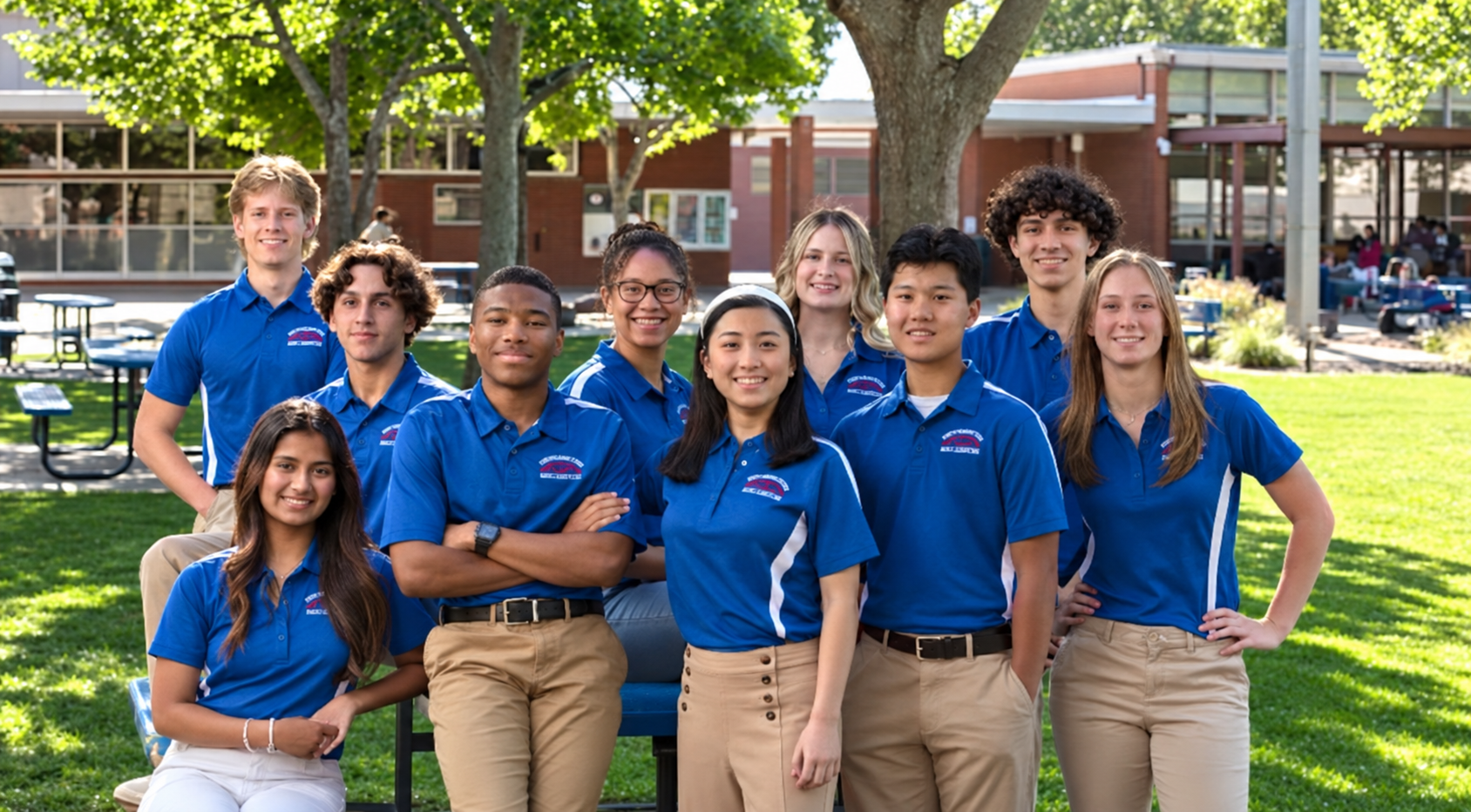
Every Tuesday morning, while many Christian Brothers High School students are still preparing for a later start to classes, a group gathers in a campus kitchen. They make pancakes, assemble yogurt parfaits, and prepare sandwiches for women and children at Wellspring Women’s Center in Oak Park.
The students raise the money, prepare the food, and deliver it. For older students, leading that effort becomes something to anticipate.
It is one expression of a philosophy that has guided Christian Brothers for generations: “Enter to Learn, Leave to Serve.”
As the Sacramento school marks 150 years, its influence can be measured through the opportunities it creates for students and the contributions those students make long after graduation.
A Sacramento institution built around access
Christian Brothers traces its local beginnings to 1876, when the brothers opened a school near 12th and K streets. Its mission reflected the Lasallian tradition established by Saint John Baptist de La Salle: making education accessible to students whose circumstances might otherwise limit their opportunities.
Today, the coeducational Catholic high school serves more than 1,100 students at its Oak Park campus. Its community includes families from different economic backgrounds and faith traditions.
For President David Perry, that diversity is central to the education itself. Learning alongside students with different experiences helps young people build relationships and become comfortable in the wider world they will enter.
The school’s location supports that commitment. When relocation to Natomas was an option, the brothers chose to remain in Oak Park. Staying preserved access for nearby families while maintaining a central location for students traveling from communities across the region.
Making participation possible
Financial assistance is a substantial part of that access. In the episode, Perry reports that Christian Brothers provided $3.4 million in assistance to nearly 500 families, representing roughly 40 to 45 percent of its families.
Within that broader effort, the Brother David program addresses the needs of students facing the greatest financial barriers.
The program covers tuition and registration, along with uniforms, an iPad, meals, and participation fees for activities such as athletics, retreats, and dances. Those details matter. A student who can attend classes but cannot afford lunch or join classmates at an event still faces barriers to belonging.
Perry’s goal is to grow the program from approximately 30 students across four grade levels to 100, with 25 students entering each year.
That expansion depends on philanthropy. Donors help create an experience in which students can participate fully without their family’s finances determining which opportunities are available.
Preparing students to choose their futures
Christian Brothers’ academic expectations prepare graduates to apply to four-year colleges. Perry also sees value in helping students understand the range of routes available after high school.
The school is working toward career pathways that would combine college preparation with focused exploration. Existing strengths in areas such as sports medicine, television production, engineering, and the arts offer foundations for that work.
The aim is to help students make informed choices. Exposure to a field can confirm an ambition or reveal that another direction would be a better fit.
Perry’s experience at Cristo Rey informs that vision. Watching students gain workplace experience showed him how practical exposure could help young people approach their next step with greater clarity.
Learning service by doing it
Community service connects classroom learning with the lives of others.
Students tutor at neighboring Oak Ridge Elementary and participate in projects tied to their coursework. Younger students receive structured opportunities to serve; the planned senior Leave to Serve project would ask students to identify an organization, design a project, complete the work, and reflect on the experience.
The progression is intentional. Students first encounter opportunities with guidance, then develop the confidence to find their own ways to contribute.
Local nonprofits can become part of that process by contacting the school about appropriate student service opportunities. Those relationships give organizations additional support while helping students discover causes that matter to them.
An education that keeps giving back
Some of the clearest evidence of impact appears when graduates return.
Alumni come back as teachers, staff members, parents, and donors. Their decisions reflect a lasting connection to the school and a desire to extend its opportunities to others.
Perry shares the story of graduate Amber Ramos, whose family received assistance that made attending Christian Brothers possible. She later pursued higher education and a career in technology human resources. Today, she contributes to financial assistance for another generation.
That cycle connects a donor’s gift to a student’s opportunity, then to a graduate’s contribution.
After 150 years, Christian Brothers continues to build on that relationship. Its future depends on sustaining the access that brings students through the door and the sense of responsibility they carry when they leave.
Learn about admissions, financial assistance, and ways to support Christian Brothers High School at www.cbhs-sacramento.org. Hear the full conversation with David Perry through The Nonprofit Podcast Network at www.nonprofpod.com.

Podcast Host
Broadcaster pro turned podcast leader, Jeff Holden created and hosts “The Non Profit Podcast Network”. A podcast and platform driven by his passion to serve, Jeff aims to revolutionize the way non-profit organizations communicate their stories for the betterment of their organizations.
Jeff made the successful leap from broadcast to digital audio in 2013 founding MultiPoint Content Strategies and Hear Me Now Studio. Under his leadership, these ventures have flourished, producing dozens of programs, increasing brand awareness and financial growth for his clients through authentic storytelling and coaching to directly target each company’s specific niche market.
Included in those programs are the award winning “Financial Sobriety” podcast and his own niche health podcast “Imperfect Heart”.
Join Jeff to learn how non-profits are working to solve seemingly impossible challenges today, and hear stories from the amazing people who are taking charge and leading their teams to accomplish their missions, grow toward their vision, and do it in the realm of their stated values.
When he's not hosting, producing, consulting, or spending time with family, you can likely find your host somewhere in the middle of nowhere practicing his two wheeled therapy peddling a steep climb in the Sierra foothills or on a local river attempting to keep his kayak upright.

GiGi’s Playhouse Sacramento Builds Independence and Belonging, One Opportunity at a Time