Sacramento Ballet Opens the Door to a Lifetime of Dance
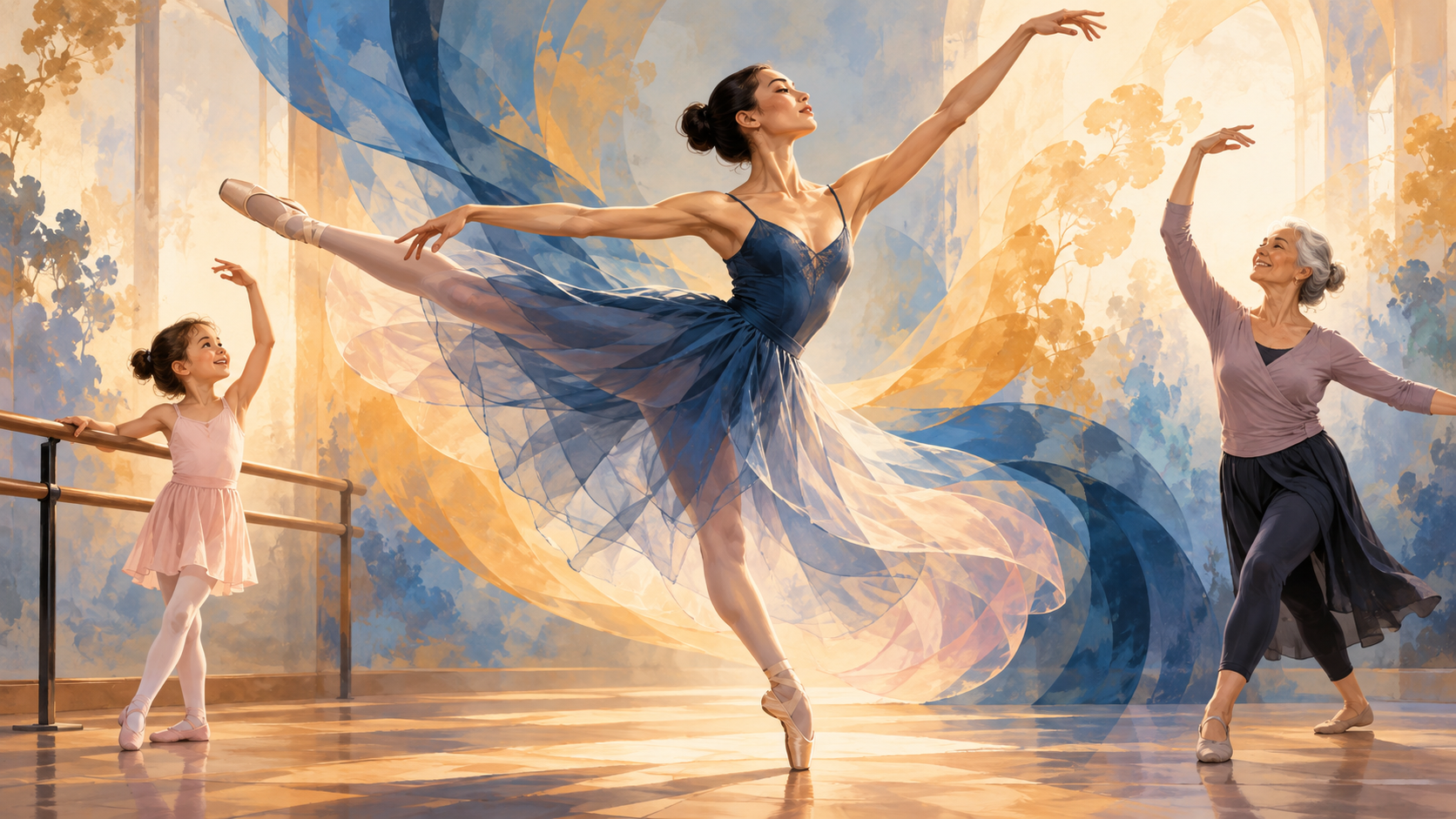
For one woman in her eighties, a Sacramento Ballet movement class fulfilled a childhood wish. Her family had been unable to afford ballet lessons when she was young. Decades later, participating in the organization’s falls prevention program allowed her to feel like a dancer.
Another participant had grown up believing her body was too big for ballet. In the same welcoming studio environment, she found a sense of grace and belonging.
Those experiences help explain the community role Sacramento Ballet is building alongside its professional productions. The organization’s work connects artistic performance with education, movement, and opportunities for people who may never have imagined themselves participating in ballet.
Founded in 1954, Sacramento Ballet has spent more than seven decades contributing to the region’s cultural life. Its familiar production of The Nutcracker remains a holiday tradition, but the organization’s reach extends throughout the year and across generations.
In a conversation on the NonProfit Podcast Network, Dr. Kiera Anderson described the people, programs, and partnerships supporting that broader mission.
A Path From First Steps to Professional Training
The School of Sacramento Ballet serves approximately 400 students during the school year. Participants range from two years old into their nineties, creating a setting where beginners and experienced dancers can pursue different goals within the same organization.
For students approaching a professional career, Sacramento Ballet’s second company provides a bridge between school and company life. Approximately 30 to 35 dancers participate each season, training intensively and performing alongside the professional company.
Their experience also includes community appearances and a family series designed to introduce younger audiences to ballet. These shorter, interactive productions invite children to move, imagine, and engage with the story.
The professional dancers remain connected to the educational work as well. Many teach in the school, sharing their experience with students while making their own lives in the Sacramento community.
Making the Theater More Welcoming
Access is central to Anderson’s vision. Sacramento Ballet is expanding its sensory-friendly programming after piloting that approach through its family series.
A sensory-friendly performance of The Nutcracker extends the opportunity to audiences who may find a conventional theater environment overwhelming.
Adjustments include keeping some audience lighting on, reducing sound levels, moderating lighting effects, and providing additional space between groups. Audience members can move or vocalize as needed. A calm space in the lobby offers somewhere to pause before returning to the performance.
The organization is also developing a partnership with Access Dance, including plans to feature one of its dancers in the sensory-friendly Nutcracker cast.
These choices address both the physical experience of attending a performance and the feeling of being welcome once someone arrives.
Taking Dance Into the Community
Sacramento Ballet’s outreach includes school assemblies presented through its partnership with the Sacramento County Office of Education’s Any Given Child initiative.
Children see what a ballet dancer’s day looks like and have opportunities to explore movement themselves. Early exposure can help a child imagine possibilities that previously felt unfamiliar or out of reach.
For older adults, falls prevention classes use movement to support strength and stability. The program also creates space for social connection and the pleasure of learning something new.
Anderson sees outreach as part of the organization’s long-term sustainability. Children who experience the arts early may become future participants, audience members, and supporters.
The Resources Behind the Performance
Professional ballet requires a substantial team. Dancers, musicians, production crews, wardrobe specialists, teachers, and administrative staff all contribute to what audiences experience.
According to Anderson, ticket sales cover approximately 40% of the cost of a professional production. Sacramento Ballet supports its work through a combination of ticket revenue, school income, grants, individual giving, and corporate partnerships.
That mix helps sustain artistic quality while supporting the people who make each performance possible. Anderson emphasized the importance of paying artists so they can build lives in the community where they work.
Scholarships and financial aid are immediate priorities. Demand for dance education is strong, but the ability to pay should not determine every child’s opportunity to participate.
Administrative capacity matters, too. A lean staff carries multiple responsibilities, including outreach. Unrestricted support can provide the staffing and infrastructure needed to deliver programs consistently and pursue growth responsibly.
A Shared Human Experience
Anderson’s longer-term vision includes additional space, expanded accessible programming, and dedicated outreach capacity. The organization has already launched a satellite campus in Roseville, opening another avenue for participation.
Underlying that growth is a simple invitation: ballet belongs to everyone.
A live performance brings artists and audiences together for an experience that happens only once in exactly that way. A class offers participants a chance to reconnect with their bodies, their creativity, and one another.
Whether someone is taking a first lesson, preparing for a professional career, or discovering dance in their eighties, Sacramento Ballet is creating more ways to enter that experience.
Learn about performances, classes, and opportunities to support the organization at https://www.sacballet.org/. Hear the full conversation on the NonProfit Podcast Network at https://www.nonprofpod.com/.

Podcast Host
Broadcaster pro turned podcast leader, Jeff Holden created and hosts “The Non Profit Podcast Network”. A podcast and platform driven by his passion to serve, Jeff aims to revolutionize the way non-profit organizations communicate their stories for the betterment of their organizations.
Jeff made the successful leap from broadcast to digital audio in 2013 founding MultiPoint Content Strategies and Hear Me Now Studio. Under his leadership, these ventures have flourished, producing dozens of programs, increasing brand awareness and financial growth for his clients through authentic storytelling and coaching to directly target each company’s specific niche market.
Included in those programs are the award winning “Financial Sobriety” podcast and his own niche health podcast “Imperfect Heart”.
Join Jeff to learn how non-profits are working to solve seemingly impossible challenges today, and hear stories from the amazing people who are taking charge and leading their teams to accomplish their missions, grow toward their vision, and do it in the realm of their stated values.
When he's not hosting, producing, consulting, or spending time with family, you can likely find your host somewhere in the middle of nowhere practicing his two wheeled therapy peddling a steep climb in the Sierra foothills or on a local river attempting to keep his kayak upright.
Powerhouse Ministries Builds Lasting Recovery Through Connection