Greater Sacramento Urban League: Connecting Careers, Housing and Community Wellbeing

A lost job can quickly become a housing crisis. Housing uncertainty can affect a child’s emotional wellbeing. For families navigating those pressures, support works best when the services recognize how closely their challenges connect.
That understanding shapes the Greater Sacramento Urban League’s approach to serving the community. Founded locally in 1968, the organization focuses on workforce development, housing counseling, and youth and family services. In a conversation on The NonProfit Podcast Network, President and CEO Ken Barnes explains how those priorities guide both its daily work and its plans for the future.
Barnes returned to his hometown expecting a temporary assignment. His experience leading businesses and nonprofit organizations prepared him to address operational challenges. Working in the neighborhoods where he grew up made the assignment personal. What began as interim leadership became a commitment to helping the organization strengthen its impact.
Employment Support That Starts With the Individual
The Urban League’s workforce services begin with understanding each person’s circumstances. Staff assess education, experience, immediate needs, and career goals before helping identify suitable opportunities.
That work includes résumé preparation, interview coaching, and connections with employers. It also requires recognizing barriers that a job posting alone cannot address. Someone facing repeated rejection may need help rebuilding confidence. A newcomer to the United States may need guidance on hiring practices and expectations.
Barnes describes a team serving people with backgrounds ranging from those working toward a GED to applicants holding advanced degrees. The objective is to meet people where they are and help them move forward.
A Connected Approach to Family Stability
The organization’s housing department provides counseling for first-time homebuyers and people facing foreclosure. Those services connect naturally with employment support when a household’s financial circumstances change.
Its Youth and Family Center addresses another part of that picture through violence intervention and mental health services. Young people ages 12 to 25 can access free, drop-in mental health care.
The center uses peer support, welcoming activities, and a short intake process to make seeking help more approachable. Food and games can provide an entry point for young people who might otherwise hesitate to engage.
Barnes also discusses a partnership with WellSpace Health to bring physical health services into the center. The planned addition reflects the organization’s broader effort to connect people with support that responds to their circumstances.
Partnerships That Build Capacity
The Urban League’s work involves public agencies, businesses, financial institutions, healthcare organizations, and other nonprofits. Barnes describes those relationships as essential to delivering services and expanding possibilities.
His approach starts with asking prospective partners about their priorities and identifying where the Urban League can help. When another organization has the relevant expertise, making that connection can serve the community better than expanding beyond the Urban League’s strengths.
That perspective also informs his emphasis on nonprofit sustainability. Responsible budgets, qualified staff, reliable systems, and appropriate operating capacity all affect whether an organization can fulfill its commitments.
During the conversation, Barnes discusses fee-for-service agreements as one avenue he wants to develop. Diversifying revenue, he explains, can give an organization greater flexibility to respond to community needs.
Preparing Facilities for More Services
Some of the Urban League’s most significant opportunities begin with practical improvements. Barnes identifies the headquarters’ roof, heating and cooling systems, and plumbing as investment priorities.
Updating the building would support a larger goal: creating space for expanded programming. Plans include additional youth services, mental health services in Del Paso Heights, and a workforce center growing from approximately 500 to 2,100 square feet.
The proposed workforce expansion includes AI education. Barnes wants participants to understand how emerging tools work and how to apply them in employment settings. The center remains a development effort, with fundraising and planning underway.
A Practical Vision for Housing
Affordable housing is another priority. Barnes describes a revised proposal for 24 two-bedroom, two-bath units designed around community demand and financial feasibility.
Rather than pursuing an oversized development, the organization is working toward a project it believes can move forward and demonstrate visible progress. Additional housing plans and neighborhood improvements reflect its interest in strengthening the area surrounding its headquarters.
The Purpose Behind the Plans
One employment story captures the motivation behind that work. A young woman who lacked money to return to college was referred to the Urban League. Staff identified a suitable opening, helped connect her with an interview, and she secured the job.
The team celebrated. For Barnes, the experience illustrated what a responsive organization could accomplish when its people and services worked together.
That individual opportunity reflects the Urban League’s larger purpose. Its next chapter builds on decades of service while preparing for changing community needs. Stronger operations, connected services, and practical investments can help more Sacramento residents find support and take their next step toward stability.
Learn more about services, partnerships, and giving at gsul.org.
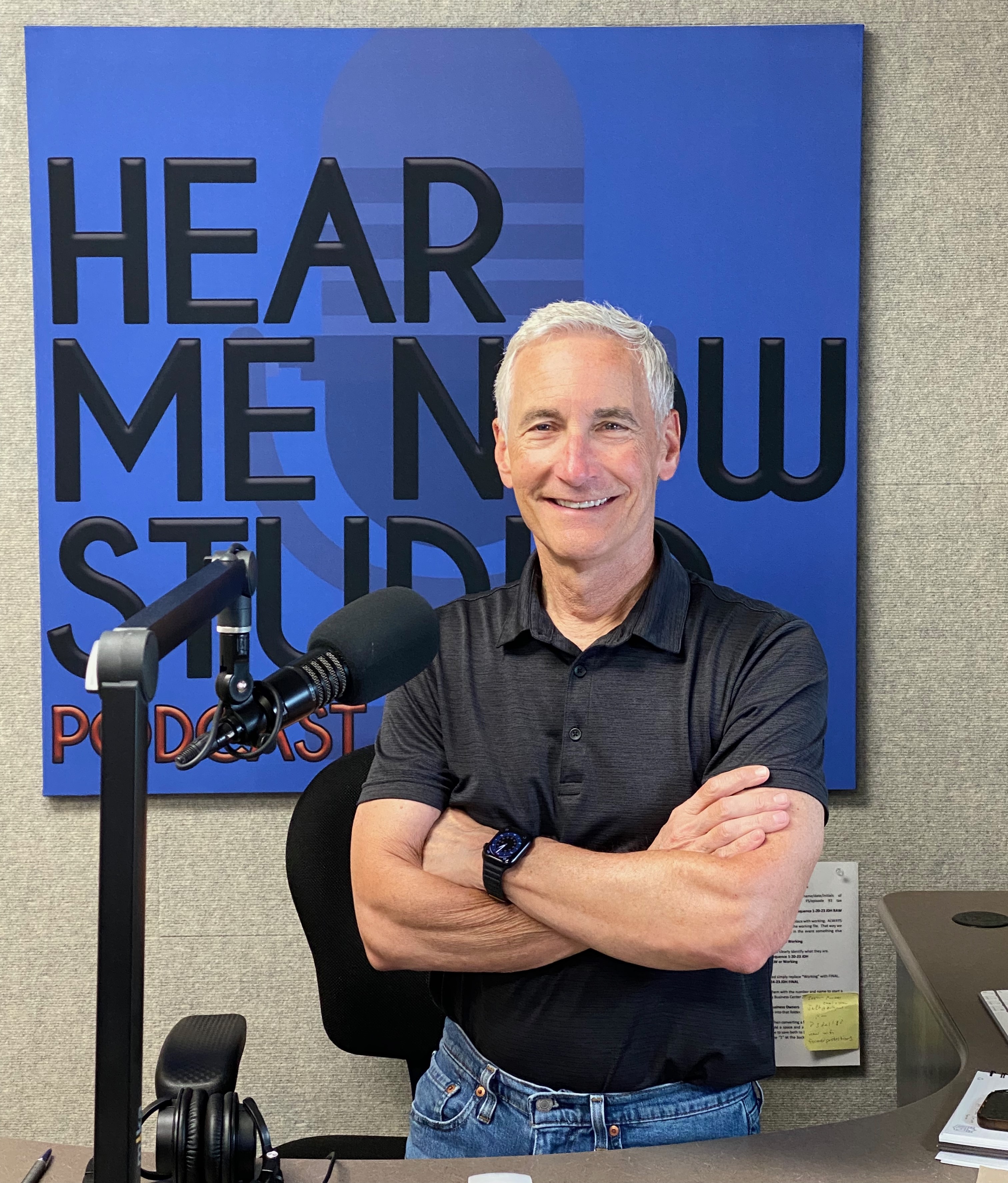
Podcast Host
Broadcaster pro turned podcast leader, Jeff Holden created and hosts “The Non Profit Podcast Network”. A podcast and platform driven by his passion to serve, Jeff aims to revolutionize the way non-profit organizations communicate their stories for the betterment of their organizations.
Jeff made the successful leap from broadcast to digital audio in 2013 founding MultiPoint Content Strategies and Hear Me Now Studio. Under his leadership, these ventures have flourished, producing dozens of programs, increasing brand awareness and financial growth for his clients through authentic storytelling and coaching to directly target each company’s specific niche market.
Included in those programs are the award winning “Financial Sobriety” podcast and his own niche health podcast “Imperfect Heart”.
Join Jeff to learn how non-profits are working to solve seemingly impossible challenges today, and hear stories from the amazing people who are taking charge and leading their teams to accomplish their missions, grow toward their vision, and do it in the realm of their stated values.
When he's not hosting, producing, consulting, or spending time with family, you can likely find your host somewhere in the middle of nowhere practicing his two wheeled therapy peddling a steep climb in the Sierra foothills or on a local river attempting to keep his kayak upright.

What a Community-Owned Grocery Store Can Teach Nonprofits About Earned Revenue