What a Community-Owned Grocery Store Can Teach Nonprofits About Earned Revenue
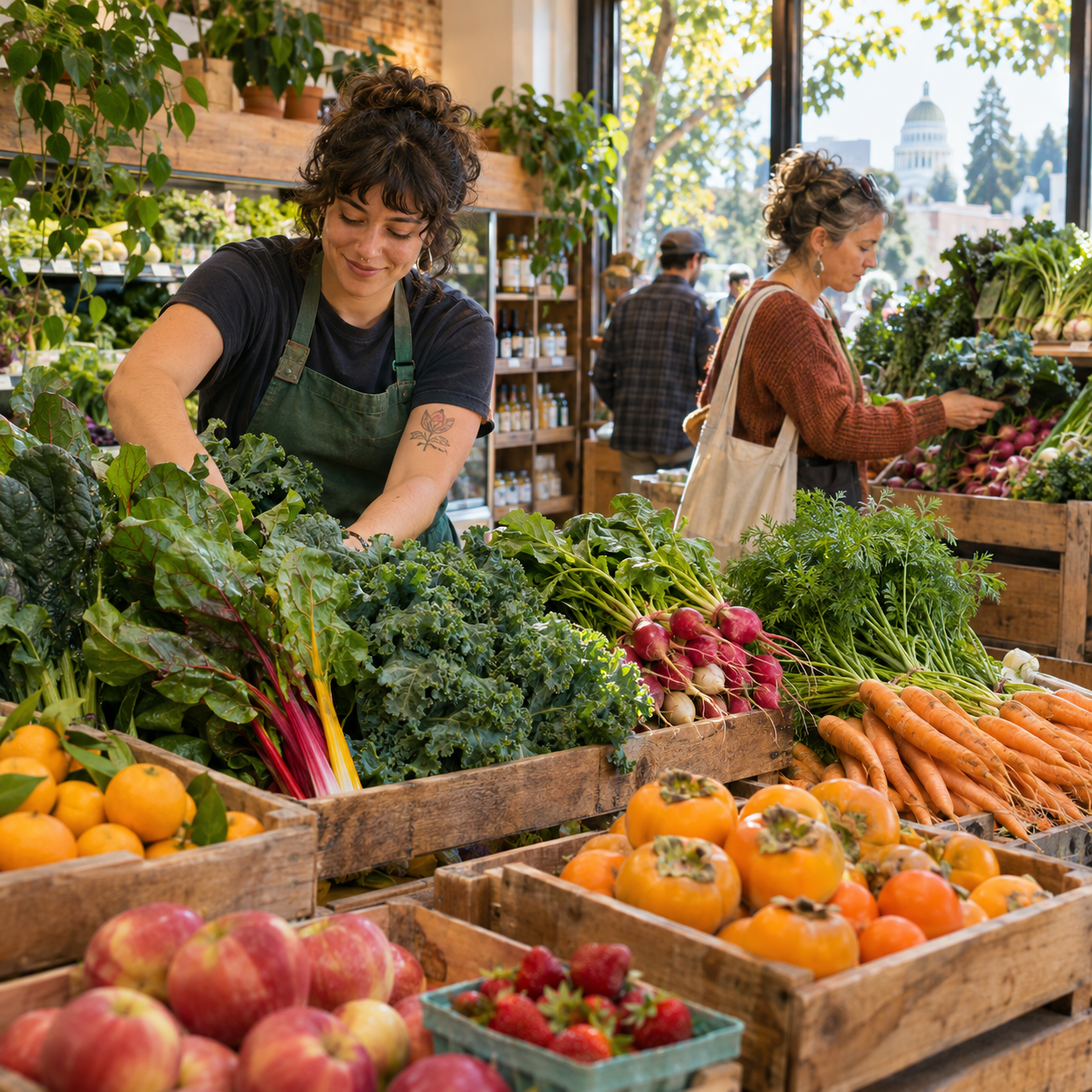
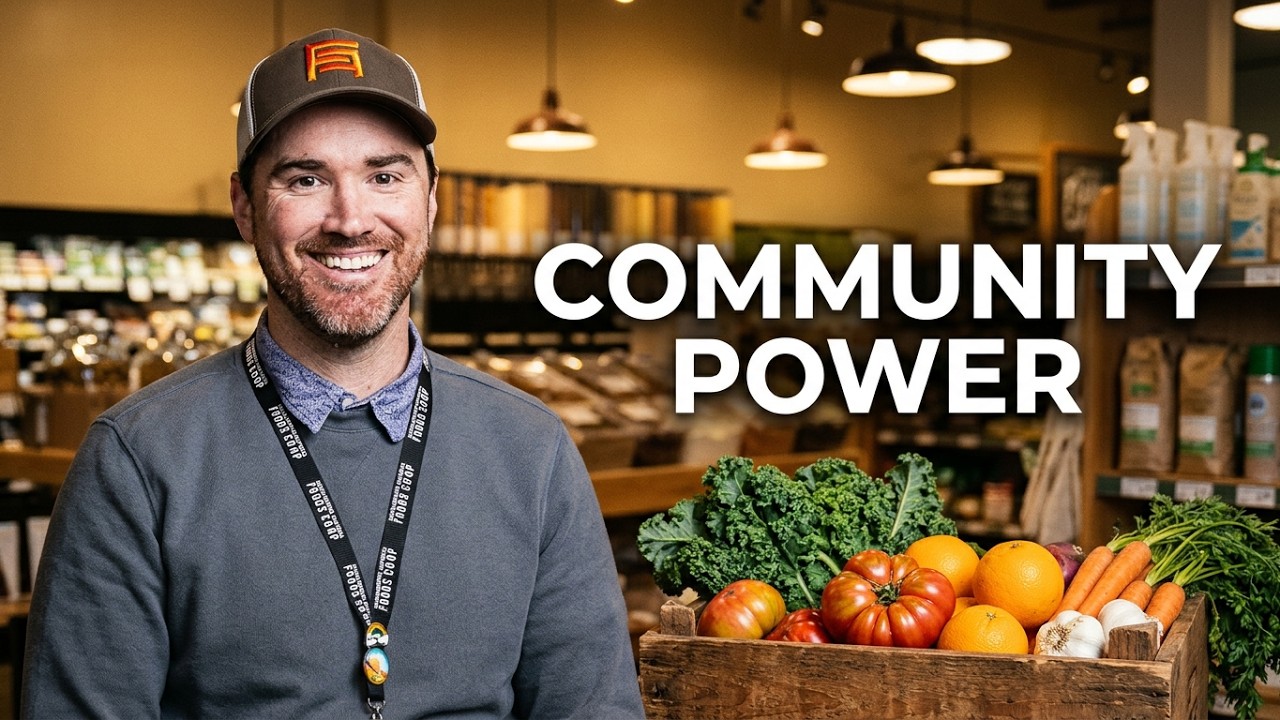
At the Sacramento Natural Foods Co-op, a shopper can walk in, buy dinner and leave without ever becoming a member. A shopper who chooses to buy a share gets something else. That share comes with a vote in who governs the store. Each member-owner gets one vote, including Brian Munn, the Co-op’s president.
That arrangement grew out of a buying club formed in 1971 to bring foods to Sacramento that were hard to find locally. The Co-op incorporated in 1973 and has operated in three locations. When Munn joined Jeff Holden on The Non Profit Podcast Network, the store was celebrating 10 years at its Midtown location on R Street.
Holden wanted to know how that business had sustained its community purpose for more than five decades. He also wanted to know what nonprofit leaders looking for new sources of revenue might learn from it.
Ownership gives members a say
The Co-op is a for-profit grocery business owned by its members. Member-owners elect a nine-person board, and three seats come up each year. Munn reports to the board, which helps hold the business to its mission as it makes decisions about how to operate.
Munn said roughly 70 percent of transactions come from shoppers who are outside the membership. The store has to give those shoppers a reason to come back, whether that’s the freshness of the produce, the selection or the service they get in the aisles. Ownership gives members a formal role in the business while keeping the store open to the wider community.
For organizations thinking about membership, that distinction matters. It raises two separate questions. What makes people want to use the service in the first place? And what meaningful role could they take on if they want a deeper relationship with the organization?
A place on the shelf can open a market
The Co-op’s partnership with Alchemist shows what community support can look like in the ordinary course of doing business. Alchemist helps local food entrepreneurs develop their businesses. The Co-op can give those entrepreneurs a place to reach customers when their products meet the store’s standards. Munn recalled one Co-op employee who went through the Alchemist program and was able to sell a product.
For a food maker, developing something people like is only part of the work. Finding customers who will pay for it, and finding enough of them to keep making it, is a separate challenge. A grocery shelf gives a producer the opportunity to be discovered by shoppers who came in for something else. It also gives the store another way to offer products with a connection to Sacramento.
The Co-op supports community organizations through voluntary checkout roundups and discussed its work supporting farmers through small grants and financing. Those efforts put money directly into the community. The Alchemist example shows what a partner can contribute through something it already has: a storefront, shoppers and a way to get a product in front of them.
The business still has to work
Grocery margins are slim, Munn said, and the Co-op faces the same pressure on costs that other grocers do. He used eggs to illustrate a decision that comes up when prices rise. Passing higher costs along can help protect the store’s margins. Holding prices down where possible can help shoppers keep a staple in their carts. A community-owned store has to weigh both needs because its ability to serve shoppers next year depends on how it runs the business today.
The same tension can show up when a nonprofit considers charging for a product or service. A program may serve the mission and attract paying customers, but delivering it still takes staff time, supplies and attention. Leaders also have to consider who can afford it and who would need a different way to participate. Those questions belong in the discussion from the start, alongside the revenue forecast.
What could a nonprofit earn by doing work it already does well?
Toward the end of the conversation, Holden asked whether a nonprofit could adapt pieces of the model. It might have expertise that a school or employer would pay to bring to its staff. It might offer a service that one group can purchase and another can access through a community partner. Or a partner might already have a relationship with the people the nonprofit is trying to reach, much as the Co-op has a relationship with shoppers that a new food maker is still building.
The Co-op’s history makes the question concrete. It began with neighbors who wanted access to food they couldn’t easily buy. Today the store earns revenue by meeting that everyday need, and its ownership structure gives members a say in how it keeps doing so. For a nonprofit considering earned revenue, there’s a similarly practical place to start. What does the community already need, what is the organization equipped to provide, and who would pay to make it available?
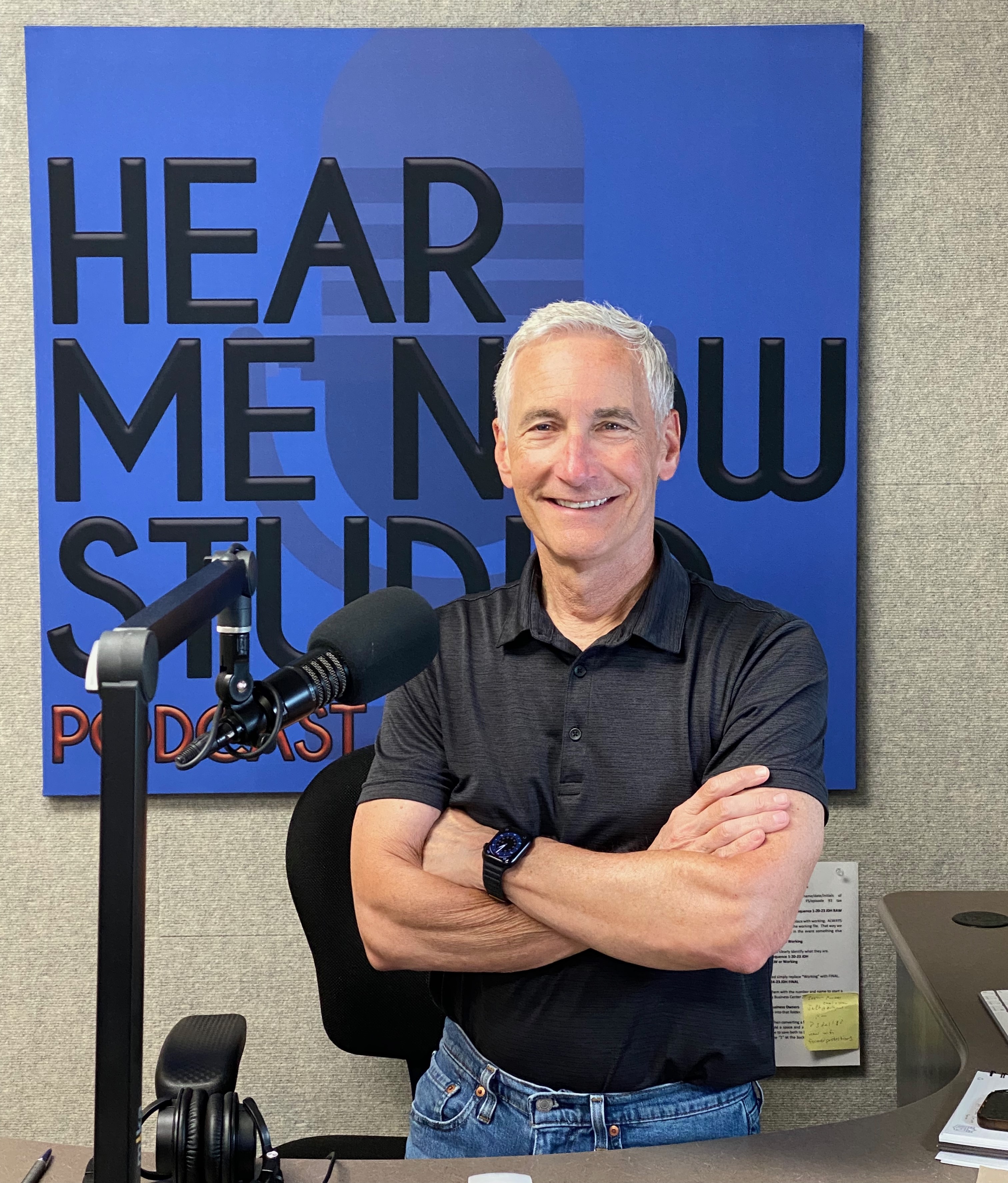
Podcast Host
Broadcaster pro turned podcast leader, Jeff Holden created and hosts “The Non Profit Podcast Network”. A podcast and platform driven by his passion to serve, Jeff aims to revolutionize the way non-profit organizations communicate their stories for the betterment of their organizations.
Jeff made the successful leap from broadcast to digital audio in 2013 founding MultiPoint Content Strategies and Hear Me Now Studio. Under his leadership, these ventures have flourished, producing dozens of programs, increasing brand awareness and financial growth for his clients through authentic storytelling and coaching to directly target each company’s specific niche market.
Included in those programs are the award winning “Financial Sobriety” podcast and his own niche health podcast “Imperfect Heart”.
Join Jeff to learn how non-profits are working to solve seemingly impossible challenges today, and hear stories from the amazing people who are taking charge and leading their teams to accomplish their missions, grow toward their vision, and do it in the realm of their stated values.
When he's not hosting, producing, consulting, or spending time with family, you can likely find your host somewhere in the middle of nowhere practicing his two wheeled therapy peddling a steep climb in the Sierra foothills or on a local river attempting to keep his kayak upright.

Beyond the Premium: Getting More From Your Health Insurance